
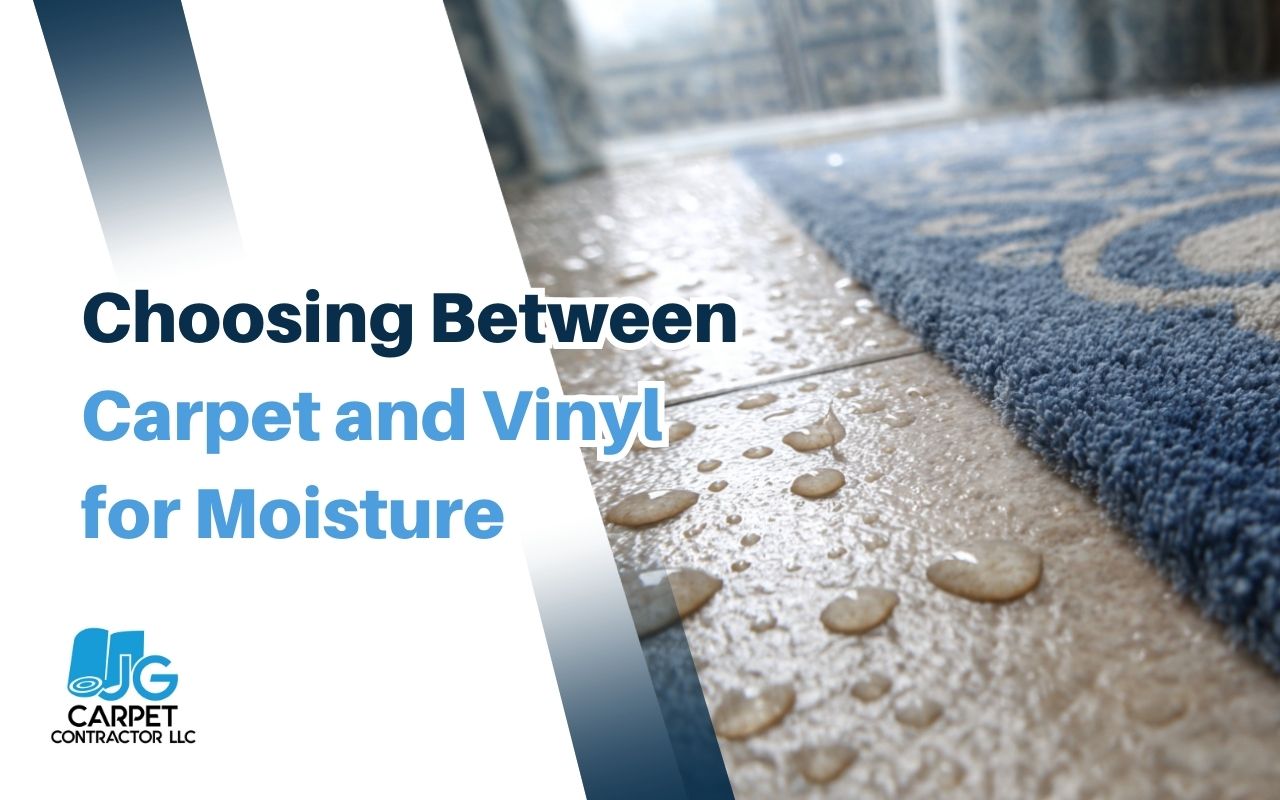
Choosing Right: Decide between Carpet vs vinyl for moisture Resistance. However, picking flooring can feel like choosing shoes for a rainy day.
When moisture is common, the Carpet vs vinyl for moisture choice matters. Otherwise, you may face mold, odors, or water damage later.
How carpet can handle moisture
In some cases, carpet can manage light moisture when you choose the right materials. For example, some carpets have water- and stain-resistant coatings.
As a result, they slow down soaking and lower mold risk. Still, Carpet vs vinyl for moisture depends on the room and daily use.
- Look for low-pile carpet so it dries faster.
- Choose treated fibers that resist spills and humidity.
- Use better underlay made for damp conditions.
Where carpet struggles in damp spaces
Even so, carpet can struggle when water reaches the backing and underlay. Then, moisture can stay trapped and create mildew smells.
Moreover, high humidity can keep the underlay wet for longer. So, Carpet vs vinyl for moisture often comes down to drying speed.
- Wet underlay can grow mold if it stays damp.
- Odors may linger and affect indoor air.
- Repairs can be harder when moisture spreads underneath.
Why vinyl is often the safer choice
In contrast, vinyl is a popular pick for wet rooms because it resists water on the surface. Therefore, it helps protect what is under the floor.
Many homeowners choose waterproof LVP because it looks like wood or stone. Meanwhile, it handles splashes and humidity well.
- Easy cleanup with simple wipes or mopping.
- Less chance for mold to take hold.
- Great fit for bathrooms, laundry rooms, and basements.
What to watch for with vinyl in damp rooms
However, vinyl is not perfect. For instance, it can feel cold underfoot in a basement or an unheated bathroom.
Also, dents or scratches can happen from heavy items. Then, damaged seams may let water in over time.
Durability and upkeep: carpet vs vinyl
When comparing Carpet vs vinyl for moisture, vinyl usually lasts longer in wet conditions. Since the top layer is sealed, it resists spills and damp air.
On the other hand, carpet can work in mildly damp spaces with fast cleanup. Still, repeated damp cycles may flatten it and cause odors.
Care tips that reduce moisture problems
First, respond fast to spills on carpet. Then, keep air moving to help it dry. This is especially important for Carpet padding in damp areas.
For vinyl, wipe spills quickly and check seams now and then. Also, use gentle cleaners to protect the wear layer.
Cost and value over time
At first, costs can feel similar, depending on style and quality. However, vinyl may reduce long-term repairs in wet rooms.
Carpet may need extra care tools and more frequent replacement. So, Carpet vs vinyl for moisture can affect total value over years.
Eco factors to keep in mind
Both materials have tradeoffs. For example, some carpets use oil-based fibers, and underlay may need replacing sooner in damp rooms.
Vinyl is also plastic-based, yet newer options can be lower-emission. Therefore, choosing certified low-emission products can help.
Frequently Asked Questions
Is Carpet vs vinyl for moisture a good comparison for bathrooms?
Yes. Bathrooms often have splashes and humidity, so the risk is real. In many cases, vinyl is easier to protect long term.
What are the best Bathroom flooring options for high humidity?
Vinyl is common for wet rooms because it repels water. Also, sealed tile can work, although it may feel colder.
Does waterproof LVP stop all water issues?
It blocks water on the surface very well. Still, seams can fail if boards lift or get damaged, so checks matter.
Can Carpet padding in damp areas be safe?
It can help in mildly damp rooms when paired with good airflow. However, if water often pools, it can still stay wet.
Which option is easier for families and pets?
Vinyl is often easier since it wipes clean quickly. Meanwhile, carpet can feel warmer, yet it needs faster spill response.
Next steps for your home
Ultimately, Carpet vs vinyl for moisture depends on comfort, cleanup habits, and how often the room gets wet. If the space stays humid, vinyl is usually the safer bet.
If you want expert help, explore carpet installation in Baltimore, MD for warmer rooms with controlled humidity. Alternatively, review vinyl floor installation in Maryland for wet areas that need stronger water protection.
When you are ready, reach out to JG Carpet Contractors LLC through the contact page to match the right floor to your space.
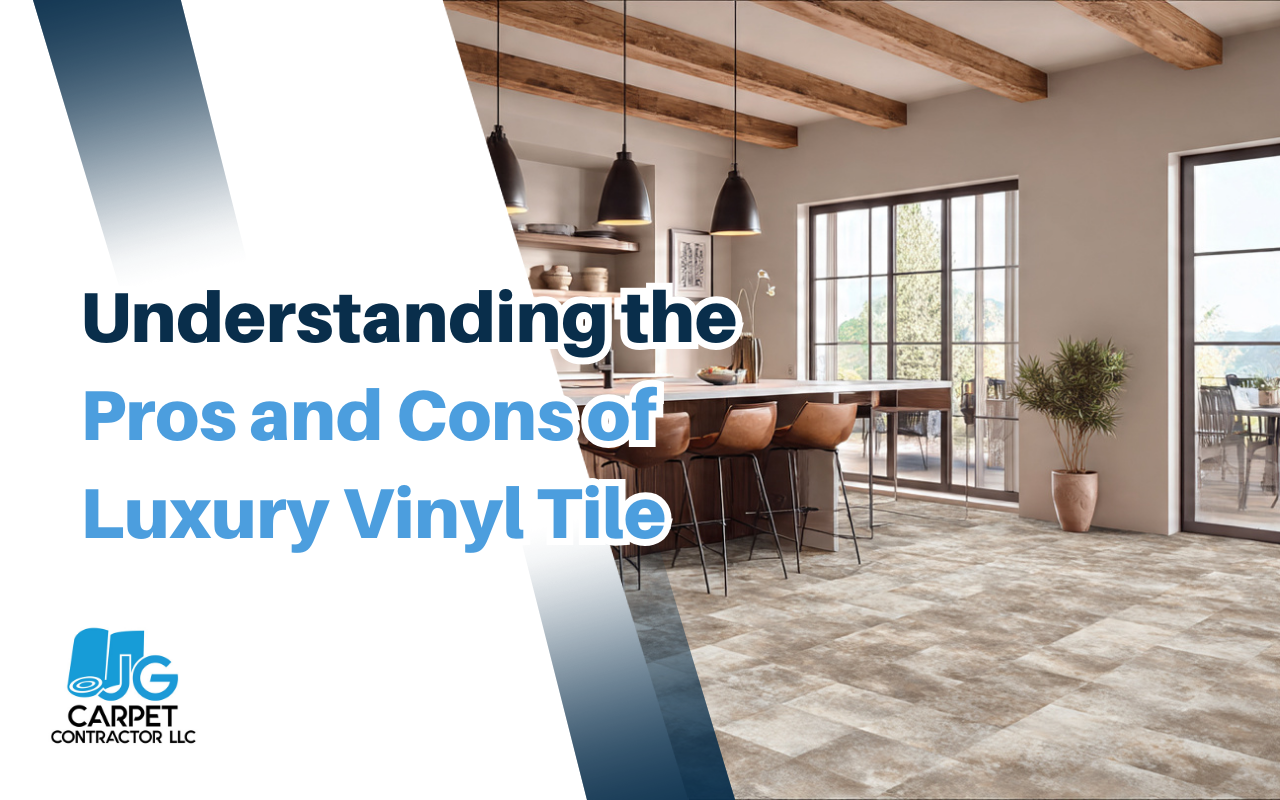
Choosing flooring can feel like picking the right outfit. You want style, comfort, and a good fit for the space. Pros and Cons of Luxury Vinyl Tile matter most in busy areas like kitchens, where daily life can be tough on floors.
Luxury Vinyl Tile (LVT) is a multi-layer vinyl floor that can look like stone or wood. It uses a strong wear layer, a printed design layer, and a stable base layer. Because of this build, it can look realistic while handling everyday use.
Durability and resilience in daily life
When people compare the Pros and Cons of Luxury Vinyl Tile, durability is often the first topic. LVT handles foot traffic, pet claws, and dropped items better than many floors. Also, the wear layer helps protect against scratches, stains, and scuffs.
In many brands, Updated LVT durability 2026 includes stronger coatings and tougher wear layers. For example, some lines use enhanced urethane finishes or added particles for extra strength. Even so, good care still helps the floor last longer.
- Handles high traffic in busy rooms
- Resists many everyday scratches and scuffs
- Stays stable through normal temperature changes
- Often keeps its look for years with basic care
Stylish design options for modern homes
LVT offers many looks, which is a big reason it stays popular. It can copy wood, stone, and ceramic visuals with high-detail printing. In addition, many tiles include edges and textures that make the surface feel more natural.
If you want Flooring for kitchens that looks high-end without the same upkeep, LVT can help. You can also mix sizes and patterns to create a custom layout. As a result, it fits both classic and modern styles.
- Wood-look styles with realistic grain detail
- Stone-look tiles with grout-line visuals
- Modern patterns like hex shapes and large formats
- Textured finishes for a more natural feel
Easy installation process
Many homeowners like LVT because it can be easier to install than traditional tile. Many products use click-lock edges, so pieces snap together without messy glue. Because it is a floating floor, it can expand and shrink with normal changes in temperature.
Still, prep matters. A smooth subfloor helps the tiles sit flat and look clean. For larger spaces or detailed patterns, working with a pro can also reduce waste and improve the final finish.
Low maintenance requirements
For daily cleaning, LVT is simple. Sweeping or vacuuming removes grit, and a damp mop handles most spills. Also, it does not need sealing, waxing, or special treatments like some natural surfaces.
This is why many people choose it for busy homes. It can also feel cleaner than carpet because it does not trap dust and pet hair in the same way. However, using gentle cleaners helps protect the wear layer.
Comfort and softness underfoot
LVT has a softer feel than stone or ceramic. Because it has layers, it can feel slightly cushioned when you stand on it. Therefore, it can reduce fatigue during cooking or long prep sessions.
It can also feel less cold in cooler months. In some setups, it works with radiant heat as well. Plus, it may help soften sound in open layouts, which can make the room feel calmer.
Water resistance and moisture tolerance
For Flooring for kitchens, water performance is a key factor. LVT is water-resistant and can handle splashes better than hardwood. In addition, some products are built to be fully waterproof.
Even so, it is smart to wipe standing water quickly. That habit helps protect seams and keeps the floor looking its best over time.
- Handles spills and humidity better than hardwood
- Works well in kitchens, baths, and basements
- Many click systems create tight seams
- Quick cleanup helps prevent long-term seam issues
LVT vs LVP: what’s the real difference?
LVT vs LVP is mostly about shape and the look you want. LVP is made to look like long wood planks. LVT comes in tile shapes, such as squares or rectangles, which can suit stone or ceramic styles better.
Both options often share similar benefits, such as easy cleaning and strong wear layers. So, the best choice depends on your design goal and how you want the room to feel.
Environmental impact and sustainability considerations
LVT is a synthetic material, so it comes with tradeoffs. However, many brands now add recycled content in the core or backing. Also, some products aim for lower chemical emissions to support better indoor air quality.
To make a smarter pick, look for third-party certifications that focus on low VOCs. In some cases, brands also offer take-back programs. As a result, you can balance performance with a more thoughtful choice.
Potential drawbacks to consider
To weigh the Pros and Cons of Luxury Vinyl Tile fairly, you need to look at the downsides too. Heavy furniture can leave dents, especially with sharp legs or wheels. Also, smooth surfaces can feel slippery when wet.
Some glued installations are harder to remove later. In addition, sharp objects can puncture vinyl, and lower-quality products may fade in strong sunlight. Therefore, picking a better wear layer and using window coverings can help.
Key advantages of LVT
Although LVT has limits, it still offers strong day-to-day value. It can deliver a realistic look, simple care, and good moisture resistance. Because of that mix, it is often a practical choice for busy homes.
- Realistic appearance with modern printing
- Easy to clean with simple routine care
- Water-resistant performance for active rooms
- Fast installation for many floor plans
- Wide range of styles and textures
Frequently Asked Questions
Is Luxury Vinyl Tile good for kitchens?
Yes. It is water-resistant, easy to clean, and comfortable to stand on. That is why Flooring for kitchens is a common use for LVT.
What is the biggest difference in LVT vs LVP?
The main difference is shape and style. LVT looks like tile or stone patterns, while LVP looks like long wood planks.
What does Updated LVT durability 2026 usually mean?
It often refers to stronger wear layers and improved top coatings. Some lines use tougher finishes to reduce scuffs and stains.
Can LVT dent from heavy furniture?
Yes, it can. Use felt pads and wide furniture feet to spread weight. This helps protect the surface over time.
Do I need a professional installer for LVT?
Not always. Many click-lock floors are DIY-friendly. However, pros can help with subfloor prep and complex patterns.
Is Luxury Vinyl Tile the right choice for your home?
The Pros and Cons of Luxury Vinyl Tile come down to your space and your priorities. LVT offers strong durability, flexible designs, and easy care. It also performs well in high-use areas with moisture, like kitchens.
At the same time, dents, slipperiness when wet, and sunlight fading can be concerns. If you want expert guidance for your project, explore the benefits of LVT flooring for MD homes. Then, for planning and next steps, review vinyl floor installation in Maryland and reach out through the contact page.

Vinyl Flooring Increase Home Value when you choose the right look and quality. Think about walking into a home with standout floors. Great floors can lift every room. As a result, the space feels warmer, brighter, and more inviting. Vinyl keeps gaining fans for style and practical value.
In the past, upgrades meant big mess and big budgets. Today, homeowners want smart updates with strong returns. Therefore, vinyl has become a go-to option. It blends design and function with simple upkeep. If you plan to sell soon, it can help you protect your investment.
Types of Vinyl Flooring to Consider
First, knowing the main vinyl types helps you match your needs and budget. Each option can work well in busy homes. Moreover, each style supports different rooms and layouts.
Sheet Vinyl
Sheet vinyl creates a smooth, seamless look. It also handles water well. Because of that, it fits bathrooms and kitchens nicely.
Vinyl Plank (LVP)
Luxury Vinyl Plank copies hardwood grain with a realistic feel. However, it is easier to live with than wood. It resists scratches and handles moisture better.
Vinyl Tile (LVT)
Luxury Vinyl Tile can look like ceramic or stone. It is durable and simple to swap if damage happens. Therefore, it works well for active households.
What to Compare Before You Buy
When you compare products, look at thickness and wear layers. Thicker options often last longer. In addition, some floors include attached underlayment. That can add comfort and reduce noise. These choices can support Vinyl Flooring Increase Home Value over time.
- Choose sheet vinyl for wet areas and a seamless look.
- Pick LVP for a wood style with better scratch resistance.
- Select LVT for tile looks and easy spot replacement.
- Check wear layer and underlayment for comfort and lifespan.
Benefits That Help Vinyl Flooring Increase Home Value
Vinyl can look like hardwood, stone, or tile. Yet it often costs less to maintain. Because it looks modern, buyers may see the home as higher-end. In many markets, that visual lift matters during showings.
Vinyl also feels softer underfoot than tile. Additionally, it can reduce noise between rooms. That comfort improves daily living. As a result, some buyers accept a stronger offer. This supports resale value flooring and makes vinyl one of the best floors for resale.
Durability and Longevity of Vinyl Flooring
High-quality vinyl stands up to scratches, stains, and dents. Therefore, it fits high-traffic rooms well. Homes with kids or pets often benefit from this toughness. Many brands also offer long warranties, often from 10 to 25 years.
Vinyl handles spills better than hardwood. It will not swell or warp from water exposure. Because of that, it works in kitchens, laundry rooms, and basements. With steady care, Vinyl Flooring Increase Home Value stays easier to protect.
Design Versatility: Enhancing Home Aesthetics
Vinyl comes in planks, tiles, and sheets. Moreover, it offers many colors, textures, and patterns. You can choose rustic wood tones or sleek concrete looks. You can also pick marble-style visuals for a cleaner feel.
Beyond the surface look, vinyl supports creative layouts. For example, you can use herringbone or checkerboard patterns. You can also add simple borders for contrast. This flexibility helps you fit farmhouse, modern, or minimal styles.
Maintenance and Cleaning Tips for Vinyl Flooring
Vinyl is easy to maintain, which helps protect flooring ROI. Start with daily sweeping or vacuuming to remove grit. Then, use a damp mop with a mild cleaner. Avoid harsh chemicals, since they can dull the wear layer.
Small habits also reduce damage. For example, add pads under heavy furniture. Wipe spills quickly to prevent sticky residue. If light scratches appear, repair kits can help them blend in. These steps support resale value flooring long term.
- Sweep or vacuum often to limit fine scratches.
- Mop with mild cleaner and light water.
- Use furniture pads and rugs in busy paths.
- Clean spills fast to avoid stains and buildup.
Environmental Impact of Vinyl Flooring
Modern vinyl can include recycled content. Therefore, it may reduce the use of new raw materials. Some products also have low VOC emissions. That can improve indoor air quality, especially in tighter homes.
End-of-life options are improving. While older vinyl can be hard to recycle, some brands offer take-back programs. As a result, used planks may avoid landfills. This greener angle can attract eco-minded buyers.
- Look for recycled content when available.
- Choose low-VOC options for cleaner indoor air.
- Check for FloorScore or GREENGUARD labels.
- Ask about take-back or recycling programs.
Installation Process and Cost Considerations
Vinyl installs in two common ways: click-lock or glue-down. Click-lock floats and snaps together. Therefore, it can be faster in many rooms. Glue-down uses adhesive and often benefits from pro tools. It can feel more secure and low-profile.
Subfloor prep still matters. Level the base and remove moisture or debris. Many rooms can be finished in a day or two. Since labor rates vary, planning helps. With the right approach, Vinyl Flooring Increase Home Value can be easier to achieve.
If you want a clean finish, consider professional help for tricky spaces. For example, JG Carpet Contractors LLC can guide room-by-room choices. You can also explore vinyl floor installation in Maryland when you need local expertise.
Comparing Vinyl Flooring to Other Flooring Options
Hardwood looks classic, but it can scratch and needs refinishing. Laminate can mimic wood, yet water can damage it. Tile lasts long, but it can feel cold and needs grout care. Carpet feels soft, but it can stain and hold allergens.
Vinyl balances water resistance, comfort, and design range. It also stays simpler to maintain. Therefore, it often ranks among the best floors for resale. If you still want soft flooring in select rooms, explore carpet installation services for bedrooms or cozy areas.
- Hardwood: timeless look, but scratches and refinishing needs.
- Laminate: wood style, but water can cause problems.
- Tile: durable, yet colder and grout needs care.
- Carpet: comfy, but stains and allergens are concerns.
Maximizing ROI with Vinyl Flooring Upgrades
Vinyl Flooring Increase Home Value most when you focus on key areas. Start with entryways, kitchens, and living rooms. These spaces shape first impressions. Therefore, clean lines and modern looks matter.
Choose neutral colors that fit many styles. Then, match trim and baseboards for a finished feel. Also, use photos that show texture and realism. In listings, mention flooring ROI and resale value flooring to highlight the upgrade. This plan supports buyers who want best floors for resale.
For a tailored plan, connect with JG Carpet Contractors LLC. You can use their project contact form to discuss rooms, timelines, and finish details.
Frequently Asked Questions
Does vinyl flooring help with flooring ROI?
Yes, it often does. Vinyl can look high-end while staying easy to maintain. Therefore, buyers may value the upgrade during resale.
Is vinyl a good choice for resale value flooring?
In many homes, yes. It offers modern looks, water resistance, and comfort. As a result, it can appeal to a wide range of buyers.
What are the best floors for resale in high-traffic areas?
Durable options usually win. Vinyl with a thicker wear layer can resist daily wear. Therefore, it works well in hallways and living rooms.
Can vinyl go in basements and laundry rooms?
Often, yes. Vinyl handles moisture better than hardwood. However, the subfloor should be clean, level, and dry before installation.
What should I check before choosing a vinyl product?
Look at the wear layer, thickness, and warranty terms. Also, consider underlayment for comfort and noise control. These details affect long-term performance.
Boosting Your Property’s Worth with Vinyl Flooring
Vinyl can blend beauty, durability, and easy upkeep. It also supports many design styles. Therefore, it can help your home compete in today’s market. With quality materials and simple care, the floors can stay attractive for years.
If you want a practical upgrade with broad buyer appeal, vinyl is a strong option. It can improve comfort and reduce maintenance stress. As a result, you can enjoy the space now and still plan for future resale.

Upgrade to Vinyl Flooring can change how your home looks and feels. As a new year begins, you may set goals for yourself, and you can also set a flooring goal for your space. Vinyl flooring feels modern, looks stylish, and works well in busy homes. Moreover, it offers an elegant option when carpet starts to feel like extra work.
With low-maintenance flooring, you spend less time cleaning and more time enjoying your home. Spills, pet hair, and daily wear are easier to handle with vinyl. As a result, your floors stay ready for real life. If you want beauty and practicality together, this upgrade can be a smart next step.
Benefits That Come With Upgrade to Vinyl Flooring
Upgrade to Vinyl Flooring brings comfort and durability without the constant upkeep. It can feel soft underfoot, yet it still resists dents and scratches. In addition, water resistance is a major advantage, since most spills wipe up fast. If you are tired of stains and deep cleaning, vinyl can make daily care much simpler.
When you Replace carpet with LVP, you can also reduce trapped dust and pet hair. Therefore, many people notice a fresher indoor feel. Many products include strong warranties, which shows long-term confidence. If you want fewer repairs over time, vinyl can be a practical choice for busy rooms.
Key advantages to expect
- Comfortable feel with strong layers that resist dents
- Water-resistant surface that helps with spills
- Easier cleaning compared to carpet in high-traffic areas
- Better for many allergy concerns since it does not trap debris as easily
Design Flexibility for Every Style
Vinyl can copy the look of hardwood, stone, or tile while staying easy to live with. You can choose warm wood tones, modern grays, or bold patterns. Additionally, many styles include textured finishes that feel more natural underfoot. This helps you get a custom look without feeling locked into one design.
Because vinyl works with many home styles, it can match modern, rustic, or classic décor. For smaller rooms, lighter tones can brighten the space. Meanwhile, darker options can add warmth and contrast in larger areas. With the right look, your floor can help your whole room feel more complete.
Design ideas to consider
- Light plank looks to help smaller rooms feel open
- Wide planks for a clean, modern layout
- Patterned tile looks to add character in entryways
- Layered rugs to soften the room while keeping easy cleanup
Durability That Holds Up Over Time
Upgrade to Vinyl Flooring works well when your home sees daily movement, pets, and kids. The wear layer helps protect against scratches, while the core supports heavier loads. Also, vinyl handles humidity changes better than natural wood. Because it stays stable, floors often remain flat and even for years.
Many vinyl options resist stains and fading, even in bright rooms. With simple care, vinyl can keep its look for a long time. If you want a dependable floor without constant repairs, this material can be a strong match for daily life.
Where vinyl performs best
- Kitchens where spills happen often
- Bathrooms where moisture is common
- Basements where humidity can change
- Hallways and living rooms with heavy foot traffic
Easy Maintenance for Low-Maintenance Flooring
Low-maintenance flooring is one of the biggest reasons people choose vinyl. Sweep or vacuum regularly to remove grit that can dull the surface. Then, wipe spills quickly with a damp cloth. For routine cleaning, use a gentle, pH-neutral cleaner and avoid harsh tools that can damage the protective layer.
For a deeper clean, mop with warm water and a mild solution about once a month. However, avoid leaving standing water, since moisture can collect at edges over time. With these small habits, your floor can stay clean and bright with less effort.
Cost Value and Smart Planning
Upgrade to Vinyl Flooring often costs less than hardwood or stone, and it can be faster to install. Many products use click-and-lock systems, which can reduce labor time. Also, vinyl can lower long-term costs since you may need fewer repairs and fewer specialty cleaning services. Therefore, it can be a practical choice for both small updates and larger refreshes.
If your Flooring new year resolution is to improve your home without extra stress, vinyl can help you reach that goal. It can deliver a fresh look now while keeping upkeep simple later.
Choosing Vinyl With the Environment in Mind
Some vinyl products include recycled content and use low-VOC materials. As a result, you can support cleaner indoor air choices. In addition, a long lifespan can reduce how often you replace your floors, which can limit waste. If you want to align updates with responsible habits, look for products with trusted certifications.
A sealed surface can also reduce the need for strong cleaning chemicals. Therefore, the routine can feel simpler and more mindful. With the right product choice, vinyl can fit well into a home plan that considers both comfort and impact.
Vinyl Compared With Other Flooring Types
Vinyl stands out when you compare it to other popular materials. It often handles moisture better than hardwood, and it needs less long-term upkeep. Compared to laminate, vinyl can perform better in wet areas since seams are less likely to swell. If you Replace carpet with LVP, you may also find it easier to manage dust, stains, and pet messes.
Tile and stone can be very durable, yet they often feel colder and may require grout care. Vinyl, however, can feel warmer and quieter to walk on. In many homes, it offers a similar look with less work over time.
Quick comparison checklist
- Hardwood: beautiful, yet more sensitive to moisture
- Laminate: budget-friendly, yet can struggle in wet areas
- Carpet: soft, yet holds stains and trapped debris
- Vinyl: balanced look, water resistance, and easier care
Enhancing Home Value With Modern Floors
Buyers often like floors that are durable and easy to clean. Vinyl can refresh kitchens, bathrooms, and main living spaces with a clean, updated look. Also, neutral tones can help rooms feel brighter and larger. When your home feels easy to maintain, it can leave a better impression.
If you choose a quality product and a clean finish, vinyl can support a more polished presentation. Therefore, it may help your home stand out when you want to sell in the future.
Professional Installation vs DIY
Professional installation can help you get a clean finish, especially around edges and transitions. Installers can also prepare the subfloor correctly, which can help prevent gaps later. In addition, many professional installs include workmanship coverage, which can add peace of mind.
DIY can work well with click-lock systems if you like home projects. Still, measuring and prep take time, and mistakes can waste materials. If you want guidance on the right path, explore a local service option for planning and installation support.
- Choose pro install for smooth edges and strong prep
- Choose DIY if you have time, tools, and patience
- Prioritize subfloor level checks in either approach
Frequently Asked Questions
Is vinyl flooring a good option for busy homes?
Yes. Vinyl can resist scratches, stains, and daily wear. Because it is easy to clean, it fits well in active homes with kids or pets.
What does it mean to Replace carpet with LVP?
It means removing carpet and installing luxury vinyl plank in its place. As a result, you often get easier cleanup and fewer issues with trapped dust.
How do I keep vinyl floors looking new?
Sweep or vacuum regularly and wipe spills quickly. Also, use a gentle cleaner and avoid abrasive pads to protect the surface layer.
Can vinyl work in kitchens and bathrooms?
Yes. Many vinyl options are water-resistant, so they handle moisture better than several other flooring types. However, good edge sealing still matters.
Should I hire a pro or install vinyl myself?
If you want the cleanest finish and strong subfloor prep, a pro can help. If you enjoy DIY and the product is click-lock, DIY may be a good fit.
Next Steps for Your Vinyl Flooring Upgrade
Upgrade to Vinyl Flooring can bring style, durability, and easier care into your daily routine. If your Flooring new year resolution is to create a cleaner, simpler home, this update can support that goal. For professional help, you can explore vinyl floor installation in Maryland to plan the right layout and finish.
If you are also weighing other options, you can review carpet installation services to compare comfort and upkeep needs. When you are ready to discuss your space, reach out through the JG Carpet Contractors LLC contact page for next steps.

2026 Vinyl Flooring Trends can reshape your rooms fast. Your floors can feel modern, durable, and calm at once.
In Maryland, many homeowners want fresh looks that still fit real life. Therefore, modern LVP styles and new colors can help you update with confidence.
Introduction to Vinyl Flooring Trends
2026 Vinyl Flooring Trends blend durability, innovation, and elegance. As a result, your floors can look current while handling daily wear.
Vinyl is also versatile and easier to install than many options. Moreover, you can match flooring color trends 2026 to your home’s character and layout.
Durability and Performance in Modern LVP Styles
Modern LVP styles use a tough wear layer that fights scratches, dents, and stains. In addition, many products resist water, so kitchens and baths feel safer.
- Resists scuffs from busy foot traffic
- Helps reduce staining from spills
- Handles moisture in high-use rooms
Low-Maintenance Features for Busy Homes
Many vinyl floors include protective finishes, and some add antimicrobial coatings. Therefore, dust and allergens may be easier to manage.
Cleaning is simple. For example, you can sweep often and damp-mop as needed. Consequently, you spend less time on chores and more time at home.
Innovation in Vinyl Flooring Technology
2026 Vinyl Flooring Trends highlight better printing and embossing. As a result, vinyl can look like real wood, stone, or tile with convincing depth.
Rigid core options, including SPC and WPC, improve stability during temperature swings. Meanwhile, added acoustic layers can soften sound for a calmer feel.
Elegant Design Details in Today’s Looks
Ultra-matte finishes and wire-brushed textures add warmth without glare. Likewise, subtle grain details can make rooms feel more natural and refined.
Wider planks can open up a space, while smaller formats can feel classic. Additionally, chevrons and hexagons add interest without crowding the room.
Exploring Flooring Color Trends 2026
Flooring color trends 2026 lean into warm neutrals, cool greys, and nature-led tones. Therefore, you can keep your décor cohesive and flexible.
- Warm beiges and soft taupes for cozy rooms
- Pale greys and ash tones for airy, modern spaces
- Deep blues or forest greens for bold accents
Nature-Inspired Patterns for a Serene Oasis
Wood looks with knots and grain details can recreate a forest-like calm. Consequently, bedrooms and spa-style baths feel more grounded and restful.
Stone and marble visuals can elevate entryways and dining rooms. Moreover, natural veining pairs well with neutral décor, so furniture stands out clearly.
Vibrant Patterns for Lively Gathering Spaces
Geometric motifs and tile-inspired layouts can energize open rooms. For example, bold contrasts can turn the floor into a focal point that connects zones.
In smaller rooms, herringbone or checkerboard patterns add movement. As a result, breakfast nooks and home offices can feel more creative and social.
Tailor Each Room to Your Style
Match design to purpose. For instance, darker wood looks can suit a den, while lighter planks can brighten studios and craft rooms.
- Layer rugs to frame seating areas
- Use transitions to define hallways
- Mix plank widths for a custom feel
Maryland Home Design Trends and Local Style Fit
Maryland home design trends often balance coastal ease with classic charm. Therefore, driftwood greys can suit beach-inspired spaces, while warm browns fit colonial homes.
Pair timeless patterns with modern furniture for a fresh mix. If you want product ideas, explore luxury vinyl plank options that match your rooms.
Installation Choices for Maryland Homes
Good prep and a clean layout keep vinyl looking sharp. Consequently, seams sit tighter and rooms feel more finished.
If you’re planning a full update, review vinyl floor installation in Maryland to align your timeline with the right materials and underlayment.
Frequently Asked Questions
What makes modern LVP styles a smart pick for families?
They resist scratches and stains, and they are easy to clean. Therefore, they fit homes with kids, pets, and frequent guests.
Which flooring color trends 2026 work best in smaller rooms?
Light greys, ash tones, and soft beiges can open up tight spaces. Moreover, subtle patterns add depth without visual clutter.
Can vinyl look like real wood or stone?
Yes. Advanced printing and embossing add detail and texture. As a result, many designs feel close to natural materials.
How do I choose vinyl that fits Maryland home design trends?
Start with your home’s style, then match finishes to your light and trim. Likewise, coastal tones or warm browns can align with local looks.
When should I talk to a local installer?
If you have uneven subfloors, moisture concerns, or a complex layout, reach out early. You can connect with JG Carpet Contractors LLC via contact JG Carpet Contractors LLC for planning support.
Elevate Your Home’s Ambiance with Vinyl Flooring
2026 Vinyl Flooring Trends let you blend beauty with real-world performance. From modern LVP styles to calm nature looks, you can shape each room with intention.
2026 Vinyl Flooring Trends also make it easier to stay current without a full remodel. Consequently, your home can feel cohesive, welcoming, and ready for the years ahead.
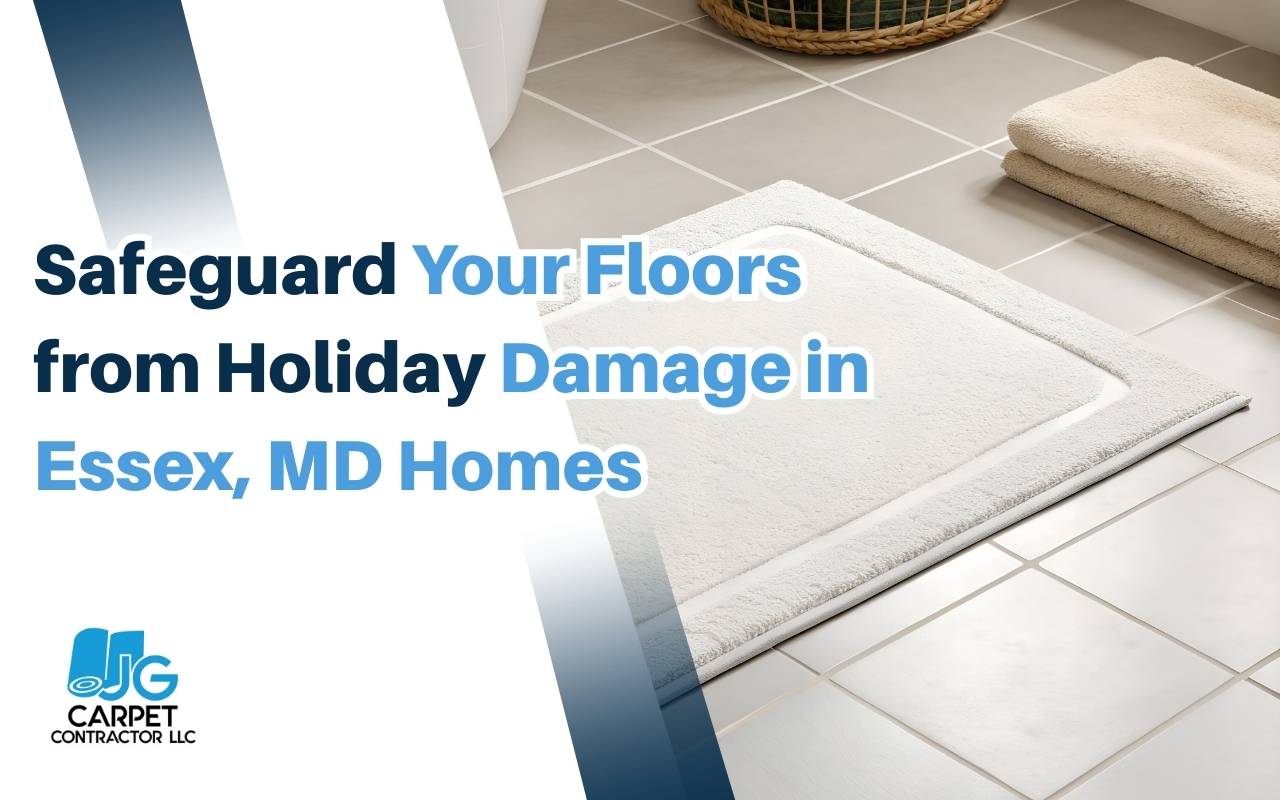
When you want to Protect Floors During Holidays, it is smart to prepare before guests arrive at your Essex, MD home. During gatherings, heavy foot traffic, outdoor dirt, and excited kids can quickly mark or stain your floors. With a few simple steps, you can enjoy the season while keeping every room looking clean and welcoming.
Holiday visits often bring wet boots, moving chairs, and spilled drinks. These common moments can lead to scratches, dull spots, or stubborn stains on hardwood, tile, vinyl, and carpet. However, by setting helpful rules and adding protective layers now, you keep your floors strong, attractive, and ready for many celebrations to come.
Why You Should Protect Floors During Holidays
Winter weather in Essex, MD often brings snow, rain, and road salt that easily enter your home on shoes and boots. Over time, this grit can grind into your floors and cause damage that is hard to reverse. Planning ahead reduces stress and lets you focus on family instead of cleaning emergencies.
Also, holiday gatherings usually mean moving furniture, adding decorations, and using more spaces than usual. Each change increases the risk of dents, chips, and stains. When you follow simple holiday floor protection habits, you maintain your home’s value and keep every room looking bright and cared for.
Choosing the Right Protective Mats
Protective mats are your first shield when you aim to Protect Floors During Holidays. Place sturdy, water-resistant mats at front doors, back doors, and garage entries. These mats trap dirt, moisture, and salt before they reach your hardwood, tile, or vinyl floors, helping prevent floor scratches and stains.
For best results, choose mats with a non-slip backing and the right thickness for busy areas. Decorative mats with simple holiday patterns can add charm while hiding small marks until cleaning day. In very wet spots, use highly absorbent mats that soak up melted snow and water quickly.
- Place mats at every main entrance and near coat racks.
- Pick mats with strong, slip-resistant backing.
- Shake out or vacuum mats often to keep them effective.
Implementing a Shoes-off Policy
A shoes-off policy is one of the easiest ways to prevent floor scratches and cut down on winter mess. Place a small bench or chair and a shoe rack near each entrance so guests can remove footwear without hassle. Add a friendly sign that explains your rule in a warm, welcoming way.
To keep everyone comfortable, offer soft indoor slippers or cozy socks in different sizes. Lay a mat inside the door to catch the last bits of moisture as shoes come off. This simple habit reduces dirt, grit, and salt on your floors, and it is among the best floor care tips winter homeowners can follow.
Using Area Rugs Strategically
Area rugs create a soft barrier between shoes and floors during busy holiday events. Place rugs in hallways, living rooms, and under dining tables where guests gather most. A tight weave stands up well to traffic and resists deep dirt, while a rug pad keeps everything from slipping.
Rotate rugs now and then to spread wear and avoid faded spots under lights or near windows. Choose stain-resistant or washable rugs so spills are easier to handle. By using rugs wisely, you support holiday floor protection while adding warmth, color, and style to your spaces.
- Use rug pads to stop sliding and add cushioning.
- Pick rugs with stain-resistant fibers or washable designs.
- Rotate rugs to prevent uneven fading and wear.
Ensuring Prompt Spill Cleanup
Spills happen more often when you host large groups, so it helps to keep cleaning tools nearby. Store microfiber cloths, paper towels, and a gentle, pH-balanced cleaner in the kitchen and dining room. Fast action stops liquids from soaking into seams or wood grain, which protects finishes and prevents long-lasting stains.
Teach family members to blot, not rub, whenever a spill occurs. Rubbing can push moisture deeper into your floors. For tough spots like gravy or cranberry sauce, use a soft brush with natural bristles and a mild cleaner. Calm, quick cleanup keeps your floors fresh and your holiday mood relaxed.
Opting for Floor-friendly Decor
Holiday decor can also stress your floors if you are not careful. Place trees, heavy stands, and large displays on sturdy trays or platforms to catch water, sap, and melted snow. Line the base of real trees with a water-resistant skirt or plastic tray so moisture never touches your hardwood floors.
Avoid sharp or heavy ornaments that might chip or dent wood if they fall. Instead, choose lightweight, shatter-resistant pieces made of plastic or foam. When you hang decorations on walls or ceilings, use hooks and adhesives that remove cleanly and do not pull away paint or finish from nearby trim.
Regular Floor Maintenance Tips
Daily care goes a long way, especially in winter months. Sweep or vacuum high-traffic areas to remove grit, salt, and small stones that can scratch surfaces. For hardwood and laminate, use a dry mop or soft broom, and for tile or stone, choose a gentle vacuum head that will not harm grout.
Once a week, clean floors deeply with products made for your surface. Use a damp mop and mild cleaner on sealed wood, and pick a neutral cleaner for tile. Avoid soaking unsealed wood, since extra water can warp boards. These simple routines help Protect Floors During Holidays and throughout the year.
- Sweep or vacuum busy areas every day in winter.
- Use cleaners that match your floor type and finish.
- Close blinds during peak sun to limit fading.
Investing in Floor Protectors
Furniture legs can leave marks when people slide chairs in and out during meals. Add felt or rubber pads under chair, table, and sofa legs to cushion contact with the floor. Check these pads often, replacing worn ones with fresh pieces so they always glide smoothly instead of scraping.
For larger items, furniture sliders make it easier to move pieces when you rearrange for parties. Under rolling chairs, rubber-coated casters help prevent gouges on hardwood or vinyl. These small upgrades support holiday floor protection and reduce the risk of damage when you swiftly adjust your space for guests.
DIY Solutions for Minor Floor Damage
Even with care, minor marks can still appear. For light scratches on wood, apply a matching wood stain marker or crayon and gently buff the area with a soft cloth. Deeper scratches may need wood filler in a matching shade, smoothed into place and wiped before it dries.
For tile, you can use a tinted epoxy repair kit to fill small chips, then refresh the grout line with a grout pen. Laminate floors respond well to repair paste applied with a putty knife. Always test any repair product in a hidden corner first to ensure the color looks natural.
Seeking Professional Floor Care Services
Sometimes holiday wear creates damage that home methods cannot fully correct. When you see deep stains, wide scratches, or warping, call a trusted floor care specialist in Essex, MD. A professional can suggest refinishing, resealing, or deep cleaning methods that match your floor type and level of damage.
Many companies offer winter packages that include steam cleaning, grout sealing, and wood refinishing to fight moisture and salt. If boards are deeply worn, you might even consider updated hardwood flooring installation for a fresh, durable surface. In cozy rooms, explore carpet installation in Baltimore, MD for extra warmth and comfort.
When you are ready for expert help, you can easily contact JG Carpet Contractors LLC to discuss the best solution for your home and your floors.
Frequently Asked Questions
How early should I start preparing to Protect Floors During Holidays?
Start planning a few weeks before guests arrive. Add mats, check floor protectors, and decide where to place rugs. Early preparation means you can handle small fixes and buy supplies without rushing the day before a big gathering.
What type of mat is best for snowy or rainy weather?
For wet weather, pick thick, absorbent mats with rubber backing. They should trap water, snow, and salt while staying firmly in place. Make sure the mat is long enough for several steps so shoes lose most moisture before reaching your floors.
How often should I vacuum during winter gatherings?
During busy holiday weeks, vacuum or sweep high-traffic areas every day if possible. Regular cleaning removes grit that can scratch floors. In quieter rooms, every few days is often enough, especially if you use a shoes-off rule and strong entry mats.
Can area rugs damage my floors?
Area rugs protect floors when paired with a quality rug pad that does not stick or discolor the surface. Avoid pads with harsh adhesives. Instead, choose non-slip materials made for hardwood or vinyl so you gain cushioning without leaving residue behind.
When should I call a professional instead of fixing floors myself?
Call a professional when scratches reach deep into the wood, tiles are cracked, or boards begin to warp. Large stains that do not respond to gentle cleaners also need expert care. A trained technician can assess the damage and suggest safe, long-lasting repair options.
Celebrate the Holidays with Peace of Mind
With the right habits and tools, you can host parties without worrying about your floors. Combine mats, a shoes-off policy, prompt spill cleanup, and steady winter care to keep surfaces shining. When needed, rely on experts for deeper repairs so your home stays beautiful long after the holidays end.
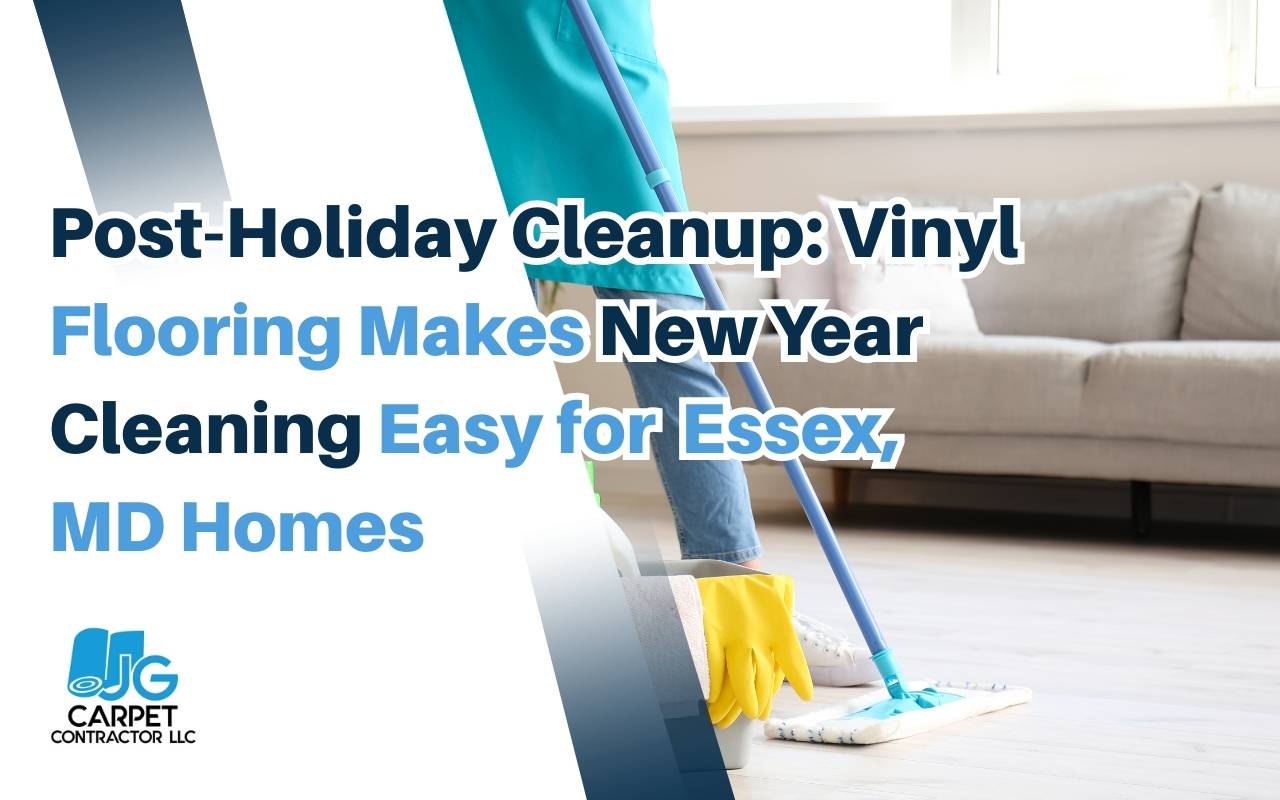
Post-Holiday Floor Cleanup feels easier when your Essex, MD home has durable vinyl flooring that cleans up quickly. After parties, family visits, and busy gatherings, your floors may show spills, mud, and crumbs. However, vinyl handles all this activity with less fuss and less stress.
First, start by sweeping or vacuuming to remove loose dirt and debris. Vinyl is stylish, tough, and simple to care for, so you do not need harsh chemicals. Instead, use warm water and a mild cleaner to bring back the shine. With vinyl underfoot, you can clear holiday party mess fast and welcome a calm, fresh New Year.
Benefits of Vinyl Flooring for Post-Holiday Floor Cleanup
Vinyl flooring gives homeowners a huge advantage when they face sticky spills or tracked-in mud after big celebrations. Because vinyl has a smooth, water-resistant surface, you can wipe away accidents with little effort. Unlike porous materials that hold dirt and stains, vinyl lets you lift grime easily and spend more time relaxing.
Another benefit is the strength of vinyl plank floors. You can move chairs, sweep often, and vacuum without worrying about scratches. The surface resists scuffs and footprints, which suits busy homes perfectly. For a future upgrade, explore vinyl floor installation in Maryland and enjoy everyday easy floor maintenance with confidence.
- Resists water and everyday spills from guests.
- Stands up to foot traffic and moving furniture.
- Cleans quickly with simple tools and mild products.
Easy Steps to Preparing Vinyl Floors for Cleaning
Before you begin a full clean, remove small items like rugs, pet bowls, and light furniture. This simple step opens up the space, protects your belongings, and helps you reach corners and edges without obstacles during mopping.
Next, pick up crumbs, pine needles, or wrapping paper scraps. Then check for obvious spills and dab them with a damp cloth. This short routine increases the power of your cleaning and sets you up for successful Post-Holiday Floor Cleanup.
Tools and Supplies Needed for Cleaning Vinyl Flooring
Having the right tools ready makes it easy to clean vinyl plank floors after any gathering. Choose a soft-bristle broom, a microfiber dust mop, or a vacuum with a hard-floor setting. These options remove loose dirt without scratching your vinyl surface.
For wet cleaning, use a bucket, a mild vinyl-safe cleaner, and a well-wrung mop or microfiber pad. Also keep a small spray bottle with water or gentle cleaner nearby to handle a concentrated holiday party mess. Finally, use microfiber cloths to dry and buff the floor so it looks bright again.
- Soft-bristle broom or microfiber dust mop.
- Vacuum with hard-floor or brushless mode.
- Bucket, mild vinyl cleaner, and damp mop.
- Spray bottle and microfiber cloths for spots.
Sweeping or Vacuuming: Initial Cleanup Process
Begin by sweeping or vacuuming the entire floor in long, overlapping passes. This step gathers dust, crumbs, and grit so later cleaning becomes smoother. Pay extra attention to entryways where guests walked in from outside, because these areas collect the most debris.
If you use a vacuum, attach the soft hard-floor head and move slowly to capture fine dust and larger particles. Remember to reach under furniture edges and along baseboards, where dirt likes to hide. This first pass creates a clean base for mopping.
Mopping Techniques for Vinyl Floors
After removing dry debris, fill a bucket with warm water and the recommended amount of vinyl floor cleaner. Avoid soaking the floor, because too much water may seep into seams. Dip the mop, wring it until just damp, and glide it over the surface in smooth lines.
For tougher spots, gently scrub in a circular motion. Rinse your mop often in clean water so you do not spread dirt. Once you finish, go over the floor again with clean water if needed, then dry with a microfiber cloth to restore the natural sheen and prevent streaks.
Removing Stubborn Stains from Vinyl Flooring
Even durable vinyl can show tough stains after a big gathering. For sticky spills or dark shoe marks, mix baking soda and water into a light paste. Apply it with a soft cloth and rub in gentle circles until the marks fade, then wipe with a damp cloth and dry well.
For deeper spots like wine or oil, spray a vinyl-safe cleaner directly on the stain and let it sit briefly. Wipe with a microfiber cloth, and repeat if needed. Avoid steel wool and stiff brushes because they can scratch. These simple methods keep Post-Holiday Floor Cleanup from turning into a stressful chore.
Tips for Maintaining the Shine and Longevity of Vinyl Floors
To protect the shine, place doormats at each entrance to catch grit and moisture before it reaches your floors. Encourage guests and family members to wipe their feet or remove shoes upon entering. This easy habit lowers the risk of tiny scratches and keeps deep cleaning from becoming frequent.
Use a pH-neutral cleaner designed for vinyl, and avoid harsh products like bleach or ammonia. A couple of times a year, apply vinyl floor polish or sealant to hide small marks and boost gloss. Additionally, always lift furniture instead of dragging it so your floors stay smooth and ready for easy floor maintenance.
- Use doormats to capture dirt and moisture.
- Clean with pH-neutral products made for vinyl.
- Polish or seal occasionally to refresh the finish.
- Lift furniture when moving to prevent scratches.
Deodorizing and Refreshing Vinyl Floors
After a big celebration, lingering odors can make your space feel less inviting. To freshen the floor, mix equal parts water and white vinegar in a spray bottle. Lightly mist small sections and wipe with a damp mop. The vinegar helps neutralize smells and fades once the surface dries.
For a pleasant scent, add a few drops of lavender or lemon essential oil to the solution. Another option is to sprinkle baking soda over the floor, let it sit for about ten minutes, and then sweep or vacuum it up. These gentle methods remove odors and leave your home feeling welcoming.
Importance of Regular Maintenance for Vinyl Flooring
Regular care keeps your vinyl floors from becoming a time-consuming project. A quick sweep or vacuum each week limits buildup, while a light mop every month manages everyday grime. Cleaning spills right away also reduces the chance of permanent stains.
By giving your floor consistent attention, you make any future Post-Holiday Floor Cleanup simple and fast. Vinyl’s strong surface, combined with steady habits, helps you enjoy beautiful floors for many years. If you are planning a larger upgrade, consider expert flooring installation services in Maryland for long-lasting results.
Frequently Asked Questions
How often should I clean vinyl floors after the holidays?
Right after holiday events, do a full sweep and light mop to remove dirt and spills. After that, weekly sweeping and monthly mopping usually keep vinyl floors fresh, depending on how busy your home is.
Can I use a steam mop on vinyl flooring?
It is best to avoid steam mops on vinyl flooring. High heat and moisture may damage the layers over time. Instead, use a damp mop with warm water and a mild cleaner for safe, effective results.
What kind of cleaner is safest for vinyl floors?
Use a pH-neutral cleaner specifically labeled for vinyl flooring. These products clean without stripping the finish. Always follow the directions on the label and test new cleaners on a small, hidden spot first.
How do I protect vinyl floors during holiday gatherings?
Place mats at doors, add felt pads under chair legs, and clean spills quickly. These simple actions guard against scratches and stains while guests come and go, so your floor stays in good shape.
When should I contact a professional about my vinyl floors?
If you notice lifting edges, deep gouges, or repeated staining, consider reaching out for expert help. You can contact our vinyl flooring specialists to discuss repairs, replacement, or a new installation plan.
Embracing Easy Floor Care with Vinyl Floors
Vinyl flooring turns Post-Holiday Floor Cleanup into a manageable, low-stress task. Its water-resistant surface, durable finish, and simple care routine mean you spend less time scrubbing and more time enjoying your refreshed Essex, MD home.
By following basic prep steps, using gentle tools, and sticking with regular maintenance, you can keep your vinyl floors looking bright and inviting. With the right habits and expert support when needed, your floors will welcome every season in comfort and style.

Flooring for holiday entertaining helps your Baltimore home feel warm, welcoming and practical at the same time. As Thanksgiving approaches, many hosts wonder if their floors can handle guests, kids and pets. You want surfaces that look beautiful, resist spills and support long evenings together without adding stress to your busy season.
Durable vinyl flooring offers that balance of style and strength. It stands up to foot traffic, moving chairs and dropped food while still looking elegant. Vinyl flooring for holiday entertaining presents a smart upgrade that supports family memories. With quick cleanup and dependable performance, you can focus on conversation, not on stains and scratches.
Benefits of Vinyl Flooring for Holiday Entertaining
Enjoy peace of mind during Thanksgiving home prep by choosing durable vinyl flooring for your main gathering spaces. This material handles crowded rooms, buffet tables and shifting furniture without losing its finish. A strong wear layer protects against stains, fading and light scuffs, even when you host big groups year after year.
Vinyl delivers flooring for holiday entertaining that feels high-end but stays low stress. You can pick from wood looks, stone patterns or modern tiles that match your decor. Many products feel softer underfoot than tile, helping guests stay comfortable as they move from living room to dining room throughout the celebration.
- Resists stains from sauces, drinks and desserts.
- Stays comfortable for guests standing while serving.
- Offers many colors and patterns for seasonal style.
- Pairs well with rugs, runners and holiday decor.
Durability of Vinyl Flooring in High-Traffic Areas
Discover how this surface holds up when your home is full of movement and noise. During Thanksgiving, guests carry plates from kitchen to table, children play on the floor and pets explore every corner. Vinyl’s layered construction and protective top coat limit dents and scratches in these busy paths.
When you choose flooring for holiday entertaining, heavy traffic becomes a simple test, not a risk. Vinyl also resists moisture and stains from quick spills. Unlike hardwood or carpet, it will not warp or hold deep stains if you wipe messes soon. Your floors stay smooth and attractive long after everyone leaves.
Easy Cleaning and Maintenance Tips for Vinyl Floors
Easy-to-clean floors let you spend more time celebrating and less time scrubbing. Before guests arrive, a quick sweep and light mop are usually enough to refresh your vinyl. You do not need special polish or wax, which keeps your cleaning routine simple and budget friendly.
For stubborn spots, use a gentle, pH-neutral cleaner mixed with warm water. Avoid harsh scrub pads that could dull the finish. Add mats by doors to catch dirt and leaves, and place small rugs under serving areas. These simple steps keep your floors looking new through many holiday seasons.
- Sweep or vacuum on a low setting several times a week.
- Use soft cloths or mops instead of abrasive tools.
- Wipe spills quickly to prevent sticky spots.
- Protect high-use zones with washable rugs.
Design Versatility of Vinyl Flooring for Festive Decor
Vinyl makes it easy to match your floors with fall centerpieces, candlelight and Thanksgiving table settings. You can choose warm wood tones for a cozy farmhouse feel or sleek stone patterns for a modern look. Each style works well with pumpkins, foliage and seasonal textiles.
The design flexibility continues with different plank sizes and layout patterns. Try wide planks for a relaxed, rustic mood or a herringbone arrangement for extra visual interest. This variety helps you create a backdrop that highlights your decorations and makes every room feel holiday ready.
Cost-Effective Nature of Vinyl Flooring Installation
Vinyl flooring gives you an attractive, budget-friendly way to refresh your home before guests arrive. It often costs less than hardwood or natural stone while offering a similar appearance. That means you can update larger spaces and still keep money available for food, decor and gifts.
Many products install quickly, especially click-lock planks that float over your subfloor. Professional crews can finish projects in less time than many tile or wood jobs. For expert results, you can work with a trusted team that provides vinyl floor installation in Maryland before your holiday events.
Comparison with Other Flooring Options for Thanksgiving Hosting
Carpet feels soft but holds crumbs and stains, often needing deep cleaning after parties. Hardwood is beautiful yet can scratch under chair legs or mark when spills sit too long. Both options may demand more care than you want during busy hosting weeks.
Ceramic tile resists water but can feel cold, and dropped dishes may crack both tile and plates. Vinyl balances these trade-offs by combining water resistance, comfort and reliable scratch protection. Its low cleaning needs and broad style range help reduce stress during large family gatherings.
Enhancing Home Safety with Slip-Resistant Vinyl Flooring
Safety matters when people carry full plates, hot dishes and drinks through your home. Many vinyl floors feature textured surfaces or slip-resistant coatings. These details increase traction when shoes are damp from rain or when small spills hit the floor during serving.
Choosing a product with a good grip helps lower the risk of falls around the buffet, sink and dining table. Combined with quick cleanup habits and well-placed rugs, slip-resistant vinyl supports a comfortable, confident flow for guests of all ages.
Eco-Friendly Aspects of Vinyl Flooring Materials
Some modern vinyl products use improved manufacturing methods and may include recycled content. Selecting these options helps lower environmental impact while still giving your home a durable surface. Their long life means fewer replacements, which reduces overall materials and waste over time.
You can also look for brands that support recycling or take-back programs at the end of the floor’s lifecycle. By planning ahead, you help keep materials out of landfills. Durable choices support both your holiday traditions and broader sustainability goals.
Expert Tips for Choosing the Right Vinyl Flooring for Thanksgiving
Start your Thanksgiving home prep by measuring key areas like kitchens, hallways and dining rooms. Bring home samples and view them during day and evening light. This step ensures your final pick works with cabinets, furniture and seasonal decor.
Check the product’s wear layer rating, especially if you have children or pets. Thicker layers offer extra protection against scratches and small impacts. Visit a trusted flooring store in Maryland to compare options in person and ask about installation timelines before the holidays.
- Measure rooms and plan transitions between spaces.
- Test color samples against walls and furniture.
- Choose a wear layer suited to your household activity.
- Confirm warranties and recommended cleaning products.
Frequently Asked Questions
Why is flooring for holiday entertaining a smart choice for busy homes?
It gives you stylish surfaces that resist stains, scratches and heavy traffic. You enjoy a polished look while spending less time worrying about damage during big gatherings.
Can vinyl flooring handle spills from Thanksgiving dinners?
Yes. Most vinyl is water resistant and easy to wipe clean. Quick attention to spills keeps your floors looking fresh, even after sauces, drinks and desserts.
Will vinyl floors feel comfortable for guests standing and cooking?
Vinyl is usually softer and warmer underfoot than many tile options. That extra cushioning helps guests and cooks feel less tired during long meal preparations.
How do I clean vinyl after a large family party?
Start by sweeping crumbs, then use a damp mop with a gentle cleaner. Spot-treat sticky areas and let the floor dry fully before putting rugs back in place.
Who can help me plan and install new vinyl before the holidays?
You can schedule a visit or contact us to discuss products, measurements and installation dates. A professional team ensures your floors are ready in time for guests.
Making Thanksgiving Hosting Effortless with Vinyl Flooring
Vinyl gives Baltimore homeowners a reliable mix of beauty, comfort and value during the holiday season. With flooring for holiday entertaining that is stylish, safe and simple to maintain, hosting feels easier. Your home becomes a welcoming backdrop where meals, games and stories unfold without worry about your floors.
By choosing surfaces that match your decor and lifestyle, you support years of celebrations. Vinyl’s durability, simple care and broad design options let you focus on what matters most. You can enjoy full tables, shared laughter and lasting memories while your floors quietly perform in the background.
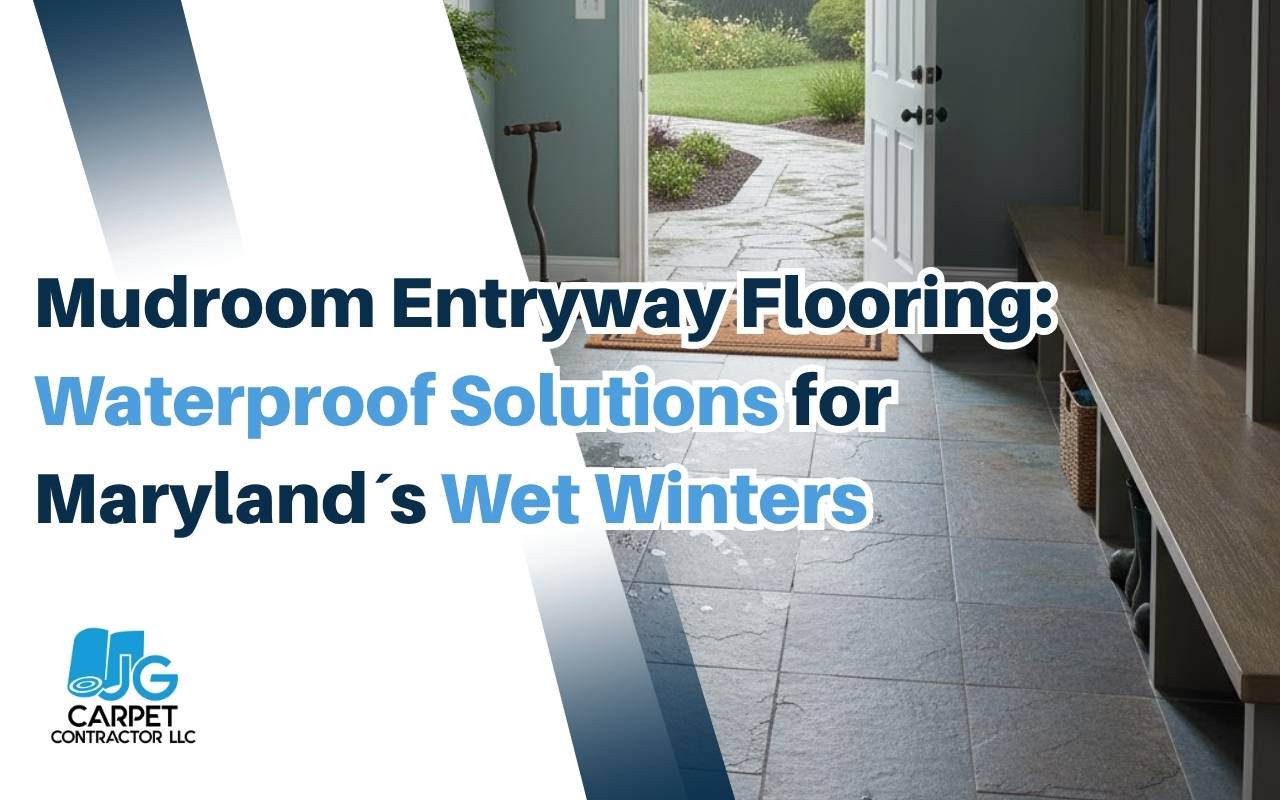
Choosing waterproof mudroom flooring in Maryland helps you stay ahead of messy boots, wet coats, and dripping umbrellas. Winter storms and rainy days bring water, salt, and mud into your home. The right floor keeps these busy spaces protected while still looking warm and inviting.
You do not need to trade style for strength. With smart materials and simple design tips, you can create a beautiful entry that also works hard. From creative entryway floor ideas to tough surfaces that handle puddles, this guide will help you plan a floor that fits your home.
Benefits of Waterproof Flooring for Mudrooms and Entryways
Using waterproof mudroom flooring in Maryland protects your subfloor from moisture, salt, and mud. These floors resist warping, stains, and swelling, even when snow, rain, and slush are tracked inside. A waterproof surface also helps prevent mold and mildew, supporting a healthier home for your family.
- Stops water and mess from soaking into your subfloor.
- Stands up to daily foot traffic and heavy gear.
- Helps reduce mold and mildew growth in damp areas.
Waterproof floors also support new entryway floor ideas that blend beauty and safety. You can choose colors and textures that match your décor while enjoying slip-resistant finishes. Cleaning becomes easier, with spills and puddles wiping away quickly and leaving no marks or odors behind.
Top Waterproof Flooring Options for Maryland’s Wet Winters
When you plan waterproof mudroom flooring in Maryland, you will find several strong options. Luxury vinyl plank, tile, and engineered hardwood all offer great moisture resistance. Each material handles muddy boots, wet pet paws, and busy traffic without losing its shape or finish over time.
- Luxury vinyl plank offers realistic wood looks and strong water protection.
- Ceramic and porcelain tile provide nearly complete water resistance.
- Engineered hardwood combines real wood beauty with a stable core.
Your choice depends on budget, style, and how much maintenance you want. Floating floors, glue-down planks, and tile installations all require proper subfloor prep. A flat, dry base helps your new floor last longer and keeps seams tight through many winters.
Exploring Luxury Vinyl Plank (LVP) Flooring
Luxury vinyl plank is popular because it looks like wood but acts like a waterproof shield. Waterproof LVP flooring has a strong core and tight locking edges that block moisture. This makes it ideal for mudrooms where wet shoes, sports bags, and pet bowls gather near the door.
Many LVP products snap together over your existing subfloor, with no nails or glue needed. Once installed, they resist scratches and dents from daily life. You can pick from many wood patterns, colors, and plank widths. Textured surfaces add grip, helping reduce slips on wet days.
Tile Flooring: A Stylish and Waterproof Choice
Ceramic and porcelain tiles create a bold, high-end look in mudrooms and entryways. They absorb very little water, so melted snow and spills are easy to wipe away. Tiles come in many shapes and sizes, allowing patterns like herringbone, checkerboard, or simple clean lines.
Tile installation takes more prep work, including a sturdy base and grout that is sealed. Once complete, tile floors handle heavy use and sudden temperature changes with ease. Routine sweeping and mopping keep them fresh. Occasional grout sealing helps prevent stains and keeps water from seeping between tiles.
Engineered Hardwood: Durable Elegance for Mudroom Floors
Engineered hardwood offers real wood beauty with better moisture control than solid hardwood. Its layered core helps reduce warping or cupping in damp spaces. Protective finishes keep spills on the surface longer, giving you time to wipe them up before they cause damage.
Homeowners love the warm, natural look that engineered hardwood brings to utility spaces. You can choose rustic wide boards or sleek, narrow planks to match your style. While it may cost more than vinyl or basic tile, the timeless appearance often feels worth the investment.
Choosing the Right Waterproof Flooring Color and Finish
Color and finish shape the mood of your mudroom and entryway. Light tones make tight spaces feel larger and help hide dust. Dark shades add drama and can disguise tracked-in dirt. Neutral colors sit in the middle and tend to blend well with many paint and furniture choices.
Finish also matters. Matte and low-sheen surfaces hide scratches and scuffs better than glossy ones. A lightly textured finish improves traction, which is helpful on wet days. When possible, bring home samples and view them under your own lighting at different times of day.
Maintenance Tips for Waterproof Mudroom and Entryway Floors
Simple mudroom floor maintenance keeps your waterproof mudroom flooring in Maryland looking new for years. Sweep or vacuum often to remove grit that can scratch the surface. Use a damp mop with a gentle cleaner made for your specific floor type to avoid stripping protective layers.
- Place sturdy mats inside and outside your entry door.
- Spot-clean puddles quickly to stop dirt from drying on the floor.
- Check seams, edges, and grout lines regularly for gaps or cracks.
For tile floors, reseal grout every year or so to keep moisture out. On vinyl and engineered hardwood, use approved sealants or fillers for small gaps. These short tasks protect your investment and help your entryway stay welcoming, even during messy weather.
Enhancing Your Mudroom and Entryway Aesthetics with Rugs and Mats
Rugs and mats add color, comfort, and extra protection on top of waterproof floors. Choose mats with non-slip backings so they stay in place and catch drips. Patterns can hide dirt between cleanings, while bright colors bring energy into a space that often feels purely practical.
Runner rugs guide guests through narrow mudrooms and shield the busiest paths. Machine-washable mats make cleanup simple after slushy days. For tricky layouts, custom-sized pieces can cover awkward spots. Together, rugs and mats create a softer, more stylish welcome at your door.
Cost Considerations: Budget-Friendly Waterproof Flooring Solutions
Planning waterproof mudroom flooring in Maryland means balancing cost, durability, and style. Luxury vinyl plank often delivers strong value with a wide range of looks and price points. Tile may have a lower material cost, but professional installation can raise the overall project budget.
Engineered hardwood usually sits at the higher end, yet sales and clearance options can lower costs. Watching for local discounts helps you stretch your budget. You can also compare do-it-yourself installations with professional services to see which approach offers the best long-term savings.
Frequently Asked Questions
Is waterproof mudroom flooring really necessary in Maryland?
Maryland’s mix of snow, rain, and mud makes waterproof flooring a smart choice. It protects your subfloor from damage and keeps high-traffic areas looking clean. Over time, this can save money on repairs and replacements.
What is the easiest waterproof flooring to clean?
Luxury vinyl plank and tile are both easy to maintain. Most messes need only sweeping and a damp mop. Because water stays on the surface, you can wipe it away quickly without worrying about stains or swelling.
Can waterproof LVP flooring be used in other parts of the home?
Yes, waterproof LVP flooring works well in kitchens, bathrooms, basements, and laundry rooms. Its durable surface stands up to spills and heavy use. Using it in several rooms can also create a smooth, unified look throughout your home.
Should I hire a professional for my mudroom flooring installation?
Many homeowners can install click-together vinyl themselves. However, tile, engineered hardwood, or complex layouts often benefit from expert help. Professional flooring installation in Maryland ensures your floors are level, secure, and long lasting.
Who can help me choose the best waterproof flooring for my entryway?
Local flooring specialists can review your space, budget, and style preferences. They will explain product options and answer questions about care and durability. If you are ready to discuss your project, you can contact JG Carpet Contractors LLC for personalized guidance.
Elevate Your Space with Functional and Fashionable Waterproof Flooring
With the right waterproof mudroom flooring in Maryland, your entryway becomes both stylish and highly practical. Strong materials stand up to snow, rain, and daily traffic, while smart colors, rugs, and layouts add warmth. Together, they create a space that welcomes guests and protects your home.
From tile and engineered hardwood to resilient vinyl, there is a solution for every home and budget. You can pair your favorite look with expert vinyl floor installation in Maryland or other pro services. With thoughtful planning, your mudroom and entryway will stay beautiful and durable through many seasons.

Experience the transformative power of home décor as the vibrant hues of autumn paint Maryland’s landscape. As the chill in the air becomes undeniable, many homeowners in Essex are seeking ways to envelop their living spaces in warmth and comfort. Enter the understated hero of cozy fall home décor: the humble carpet. Beyond its visual appeal, a well-chosen carpet provides a cocoon of comfort underfoot, making a significant difference in how your home feels during the cooler months. Embrace the season by considering how adding new carpet can enhance your Maryland home’s ambiance this fall.
Carpets not only offer an immediate aesthetic upgrade; they serve as a practical solution for maintaining a warm environment. By acting as a natural insulator, carpets help to retain heat, making them an ideal choice for those crisp fall evenings. As you plan your fall home makeover, think about how the simple addition of a carpet can transform your home into a snug sanctuary, keeping the cold at bay.
Choosing the Perfect Carpet for Fall
Selecting the right carpet for your fall refresh starts by thinking about texture and material. Wool blends and synthetic fibers like nylon or polyester are popular for their softness and durability. A dense pile traps air and feels plush underfoot, which is essential when you’re aiming for carpet for winter warmth. Opting for a medium-pile carpet strikes a balance between comfort and ease of maintenance, giving your home a welcoming feel without becoming a challenge to vacuum or clean.
Considering the lifestyle of your household is also vital. If you have pets or kids, choose a stain-resistant option in a darker hue that hides dirt and footprints. For low-traffic areas such as a reading nook or bedroom, a luxurious, high-pile carpet can create an indulgent retreat. Don’t forget to factor in Essex MD home comfort—this means finding a carpet that feels warm to the touch from the moment you step in, making every room a cozy haven during those chilly fall days.
Benefits of Carpet as an Insulator
Understanding carpet insulation benefits can reshape how you think about flooring. Carpet fibers trap air, creating a barrier that slows heat loss through the floor. This cozy layer helps maintain a stable indoor temperature, reducing reliance on your heating system and potentially lowering energy bills.
Beyond warmth, this insulating quality adds to the overall comfort of your space. A carpeted floor feels softer and less drafty than bare surfaces, allowing you to walk barefoot with ease. As you’re surrounded by cushioned flooring, the home gains a sense of plush luxury, completing your cozy fall home décor.
Enhancing Home Comfort with Carpet Flooring
- Absorbs sound, reducing echoes and creating a quieter environment.
- Lessens impact on joints during daily activities.
- Creates a cozy atmosphere in living rooms and bedrooms.
These perks combine to create a space that truly embraces the essence of cozy fall home décor. For more guidance on carpet selection, visit Carpet Installation Essex MD.
Fall Color Trends in Carpet Selection
- Warm rusts, deep burgundies, and mellow olive greens for bold statements.
- Shades of taupe, caramel, or soft grays for subtle elegance.
- Pair with neutral furniture to highlight seasonal changes.
Choosing a carpet color that aligns with your existing décor will seamlessly integrate new flooring into your home’s overall design.
Maintenance Tips for Fall Carpets
- Vacuum high-traffic areas at least twice a week.
- Attend to spills immediately to prevent stains.
- Schedule professional deep cleaning before winter.
- Use small area rugs at entry points to trap dirt.
Proper care not only preserves the appearance of your carpeting but also maintains its carpet insulation benefits. Learn more about padding options at Carpet Padding Options.
Eco-Friendly Carpet Options for a Sustainable Home
Choosing sustainable carpets is easier than ever, with many manufacturers offering eco-friendly options. Look for carpets made from recycled materials, such as reclaimed nylon or polyester fibers. Natural choices like sisal, jute, and wool are renewable and biodegradable. Certifications like Green Label Plus and Cradle to Cradle guarantee low chemical emissions and responsible manufacturing practices. Investing in eco-friendly carpeting blends your desire for carpet for winter warmth with a commitment to environmental stewardship.
Professional Installation for Optimal Comfort
Investing in professional installation ensures your new carpet lays perfectly flat and provides the maximum comfort. Experienced installers measure rooms, calculate padding, and stretch carpet properly. Using the correct padding enhances insulation and adds extra cushioning. For professional assistance, check Best Carpet Guide.
Layering Carpets for Extra Warmth
Adding area rugs on top of wall-to-wall carpet creates additional warmth and style. Layering allows mixing textures and patterns, giving each room unique character. A thick wool rug over a solid-colored carpet brings both visual interest and an added barrier against the cold underfoot. Swap rugs seasonally to protect main carpet during high-traffic gatherings. Layering enhances carpet insulation benefits while maintaining cozy comfort.
Transitioning to Winter: Preparing Your Carpet for the Colder Months
Preparing your carpet for winter involves deep-cleaning fibers and inspecting seams. Tight edges prevent drafts, and adding a thicker underpad boosts insulation. These steps ensure your home stays warm through the chilliest months.
FAQs
What is the best carpet material for winter warmth?
Wool blends and dense synthetic fibers like nylon trap heat effectively.
How can carpet improve home comfort?
It reduces drafts, absorbs sound, and provides cushioned support for daily activities.
Are eco-friendly carpets effective for insulation?
Yes, sustainable materials like wool and recycled fibers maintain warmth while being environmentally responsible.
Can layering rugs increase insulation?
Absolutely. Placing area rugs over wall-to-wall carpet adds an extra layer against cold floors.
Why choose professional carpet installation?
Proper installation ensures flat, secure carpet with optimal insulation and longevity.
Embracing Cozy Comfort with New Carpets
Adding new carpet to your Maryland home this fall elevates style and comfort. From selecting the perfect hue to enjoying carpet insulation benefits, every step contributes to a snug living space. Whether you choose eco-friendly fibers or layer plush area rugs, your home will exude the essence of cozy fall home décor. Embrace the season in Essex MD home comfort and look forward to many warm, cozy moments ahead. For expert guidance, contact Contact Page.