

Carpet installation in Towson MD can refresh bedrooms, stairs, and family spaces before holiday gatherings while improving comfort underfoot. request your carpet estimate when worn fibers, stains, or outdated flooring make rooms feel tired. At JG Carpet Contractors LLC, we bring more than 20 years of experience to residential carpet projects across Maryland.
Start With The Rooms That Need Carpet Most
Bedrooms, hallways, stairs, and living rooms each place different demands on carpet. Bedrooms often prioritize softness, while stairs need dense construction and strong edge performance. High-traffic family rooms may benefit from fibers and textures that hide footprints and recover well after use.
- Bedrooms: prioritize softness and comfort.
- Stairs: choose dense, durable construction.
- Hallways: focus on wear resistance.
- Living rooms: balance comfort and appearance.
Choose Padding Before Finalizing Your Carpet Selection Today
Padding affects how carpet feels, wears, and responds to repeated foot traffic. Thickness and density should match the carpet type and room use rather than simply choosing the softest option available.
Our carpet padding types guide explains how common padding choices differ.
Schedule Installation Before Thanksgiving Traffic Begins For Homeowners
schedule your carpet installation when you want the project completed before holiday guests arrive. Free estimates are available, giving homeowners a practical way to compare carpet, padding, and room scope before selecting materials.
Our Monday through Saturday hours from 7 a.m. to 5 p.m. make it easier to coordinate estimates and project planning during the week.
Use This Towson Carpet Planning Checklist First Today
- Measure rooms and stair sections.
- Decide which furniture must move.
- Choose carpet texture and fiber.
- Select compatible padding.
- Confirm removal of existing flooring.
- Plan access for installation day.
A complete checklist helps prevent last-minute changes and keeps the installation focused on the rooms that matter most.
Compare Carpet Styles For Bedrooms And Stairs Today
| Area | Useful Carpet Traits | Planning Focus |
|---|---|---|
| Bedroom | Soft, comfortable texture | Feel underfoot |
| Stairs | Dense, low-profile construction | Wear and edge stability |
| Hallway | Durable, track-resistant texture | Traffic performance |
Towson’s older colonial and ranch-style homes often include stairs, hallways, and bedrooms where carpet selection should reflect traffic and room proportions.
Know How Long Carpet Installation Usually Takes Today
Project time depends on room count, stairs, furniture movement, old flooring removal, subfloor conditions, and seam placement. A small bedroom project may be completed quickly, while a whole-house installation can require more time.
Our license number is #05-148920, giving customers a credential they can verify when comparing local flooring contractors.
Review What Professional Carpet Installation Includes For Homeowners
Installation may include old carpet removal, tack strip evaluation, padding placement, seam planning, stretching, trimming, and transition finishing depending on the project scope.
Our professional carpet installation services page provides more information about the installation process.
Plan Traffic Flow Before Choosing Final Carpet Today
Think about how people move through the room, where furniture legs sit, and which paths see daily wear. A carpet that looks excellent in a sample may perform differently on stairs or in a hallway with constant use.
Color also changes how lint, pet hair, and traffic patterns appear. Medium tones and textured surfaces often disguise everyday wear better than very light or very dark carpet.
Plan Seams Transitions And Door Clearances Before Installation
Carpet installation is easier to approve when homeowners understand where seams may fall, how carpet meets hard flooring, and whether doors need adjustment after new padding changes the finished floor height. These details are especially important in older homes where room openings and thresholds may vary from one area to another.
Ask the installer to explain visible transition points before work begins. A well-planned seam should follow the room layout and traffic pattern whenever possible rather than cutting directly across a focal area.
Use Samples Under Daylight And Evening Lighting
Carpet color and texture can shift under natural light, warm lamps, and cooler LED lighting. View samples in the actual room before ordering, especially when walls, trim, and furniture already create strong color undertones.
At JG Carpet Contractors LLC, we can help homeowners compare practical carpet choices with the room conditions they actually have instead of selecting from a showroom sample alone.
Review Installation Details Before The Crew Starts Work
Before installation begins, confirm seam locations, transition strips, stair details, baseboard expectations, and what will happen if subfloor damage appears after the old carpet is removed. These small decisions are easier to make before the room is full of tools and materials.
Also confirm where removed carpet and padding will go, whether doors need trimming, and when furniture can return to the room. Clear expectations make the final walkthrough more useful.
Use The Final Walkthrough To Check Finished Details
After installation, inspect edges, seams, transitions, stair alignment, and areas around vents or built-ins. Ask questions before furniture is returned so any visible detail can be reviewed while the room is still clear.
Frequently Asked Questions
How long does carpet installation take?
Timing depends on room size, stairs, furniture, removal work, subfloor condition, and the number of seams required.
What is the best carpet for bedrooms?
Many homeowners prefer softer cut-pile styles, but durability, fiber, cleaning needs, and budget should also guide the choice.
How is carpet installation priced?
Cost depends on carpet, padding, room size, stairs, removal, floor preparation, transitions, and other project details.
Should furniture be moved first?
Ask the installer which pieces should be removed before arrival and whether furniture moving is included.
Can carpet be installed before the holidays?
Yes, when materials and scheduling are available, which is why early fall planning is useful.
Choose Carpet Installation in Towson MD With Confidence
Professional Towson carpet installation should combine the right carpet, compatible padding, careful preparation, and a clear installation plan. Our team at JG Carpet Contractors LLC can help homeowners prepare bedrooms, stairs, and living spaces before holiday traffic begins. book your carpet estimate when you want a smoother flooring project.

Choosing the best flooring for sunrooms means thinking about more than appearance. Sunlight, moisture, heat, and cold can all affect how a floor looks and performs. At JG Carpet Contractors LLC, we help homeowners compare practical materials based on how they plan to use their sunroom.
Good sunroom flooring should support comfort while standing up to changing indoor conditions. Homeowners can also explore our flooring options in Maryland when comparing materials that fit their room, home design, and seasonal needs.
What Sunroom Floors Need to Handle
Sunrooms face conditions that are different from standard living spaces. Strong sunlight can warm the floor for many hours, while evening temperatures may drop quickly. Humidity, wet shoes, open windows, plants, and outdoor traffic can also bring moisture into the room.
The best flooring for sunrooms should balance stability, moisture resistance, comfort, and easy maintenance. The right choice also depends on whether the room is used throughout the year. A climate-controlled four-season room usually has more stable conditions than a three-season room without full heating or cooling.
Homeowners comparing sunroom flooring ideas should consider how much direct sunlight reaches the floor each day. They should also think about how often people enter from an outdoor area and whether the room regularly experiences large changes in temperature.
Luxury Vinyl for Sunny, Moisture-Prone Rooms
Luxury vinyl can be a practical choice when you want the appearance of wood or stone with easier daily care. Many products resist everyday moisture, and the surface often feels warmer underfoot than ceramic or porcelain tile. Our team at JG Carpet Contractors LLC can help you consider vinyl options that match the conditions inside your sunroom.
When comparing luxury vinyl products, homeowners should pay attention to the manufacturer’s guidelines for sunlight and temperature exposure. Some products are better suited than others for rooms that receive strong natural light throughout the day.
- Look for products designed for the expected temperature range.
- Check whether the flooring has suitable resistance to fading.
- Consider waterproof performance when moisture is a regular concern.
- Make sure the subfloor is smooth, stable, and properly prepared.
For more information about this material, review our luxury vinyl plank installation in Maryland service.
Tile and Engineered Wood for Seasonal Conditions
Porcelain and ceramic tile can work well in sunny rooms because they resist moisture and do not react to humidity in the same way as many wood-based products. Tile can also feel cool during warm weather, which may be useful in a sunroom with strong afternoon sunlight.
Engineered wood offers a different look and feel. Its layered construction can provide greater stability than traditional solid hardwood, making it worth considering for sunrooms with reasonably controlled temperatures. However, sunlight may still affect the color over time, and frequent moisture can create concerns.
Flooring that handles temperature swings should be selected according to the room’s actual conditions. Product requirements matter because one engineered wood or tile system may perform differently from another. Proper installation, expansion space, and subfloor preparation also affect long-term performance.
Which Sunroom Flooring Fits Your Space Best?
The best flooring for sunrooms depends on how the room is built and used. A three-season room connected to a patio may need different flooring from a fully climate-controlled sunroom used as a home office or family area.
When reviewing sunroom flooring ideas, compare each material based on the conditions it will face rather than appearance alone. With JG Carpet Contractors LLC, you can consider flooring choices that support both practical needs and the style of the surrounding home.
- Choose luxury vinyl when moisture resistance and comfort are important.
- Consider porcelain or ceramic tile for durability and easy cleaning.
- Use engineered wood when you want a natural appearance in a more controlled room.
- Review suitable laminate products when you want wood-look style with simple maintenance.
Waterproof flooring for rooms with direct sun exposure can be especially useful near patios, gardens, pools, or outdoor entrances. Water resistance alone is not enough, though. The material should also be suitable for the temperature and sunlight conditions inside the room.
Flooring Choices for Maryland’s Changing Seasons
Flooring installation in Maryland should account for seasonal changes in heat, cold, and humidity. A sunroom can experience these changes more strongly than the main areas of a home, especially when the space is not fully climate controlled.
Summer heat may cause certain materials to expand, while colder conditions can cause contraction. Moisture levels can also change throughout the year. Choosing flooring that handles temperature swings can reduce the chance of movement, gaps, lifting, or other problems when the product is installed according to its requirements.
With JG Carpet Contractors LLC, we consider how the room will be used before discussing suitable flooring. Homeowners can also review our vinyl floor installation services when exploring moisture-resistant options for sunny spaces.
Planning a Stable, Long-Lasting Installation
Even a suitable flooring material needs proper preparation. The subfloor should be checked before installation because uneven areas, existing damage, or moisture concerns can affect the finished surface. Some flooring products may also need time to adjust to the room before installation.
A careful installation plan should account for the room, product instructions, and expected seasonal conditions. Important preparation steps may include:
- Checking the subfloor for uneven or damaged areas.
- Reviewing the flooring manufacturer’s temperature requirements.
- Allowing proper expansion space where the product requires it.
- Selecting adhesives or installation methods suited to the material.
- Checking moisture conditions before placing the new flooring.
These steps can help the floor remain secure and even as conditions change. Good preparation is especially important in rooms where direct sunlight can create warmer surface temperatures than in other parts of the home.
Frequently Asked Questions
Is luxury vinyl a good choice for a sunroom?
Luxury vinyl can work well in many sunrooms because it is easy to maintain and many products resist everyday moisture. However, homeowners should confirm that the specific product is approved for the room’s sunlight and temperature conditions. Our luxury vinyl plank options can help you explore this type of flooring.
What flooring works well with changing temperatures?
Porcelain tile, selected luxury vinyl products, and some engineered flooring can work well when temperatures change. The right option depends on the manufacturer’s recommended temperature range and the room’s climate control. Installation details such as expansion space and subfloor preparation are also important.
Should sunroom flooring be waterproof?
Waterproof flooring can be useful when a sunroom connects directly to an outdoor area or regularly receives moisture from wet shoes, plants, pets, or open windows. You can review our vinyl flooring installation options when moisture resistance is an important part of your decision.
Can direct sunlight damage sunroom flooring?
Strong sunlight may cause fading or color changes in some flooring materials over time. It can also increase surface temperatures. When you choose JG Carpet Contractors LLC, we can discuss flooring based on your sunroom conditions. You can also explore more materials through our Maryland flooring selection.
What should I consider before flooring installation in Maryland?
Think about seasonal temperature changes, humidity, sunlight, moisture, and whether the sunroom is climate controlled. The subfloor should also be checked before installation. Selecting a product that matches the room’s conditions can support better stability and easier maintenance throughout the year.
Build a More Comfortable Sunroom Floor
The best flooring for sunrooms should support the way you use the room while handling sunlight, moisture, and seasonal changes. Luxury vinyl, tile, engineered wood, and selected laminate products can each suit different spaces. The right choice depends on your room conditions, comfort preferences, and design goals.
At JG Carpet Contractors LLC, we can help you review suitable flooring choices for your sunroom and plan the next steps based on your space. For help with your project, contact our team about your sunroom flooring needs.
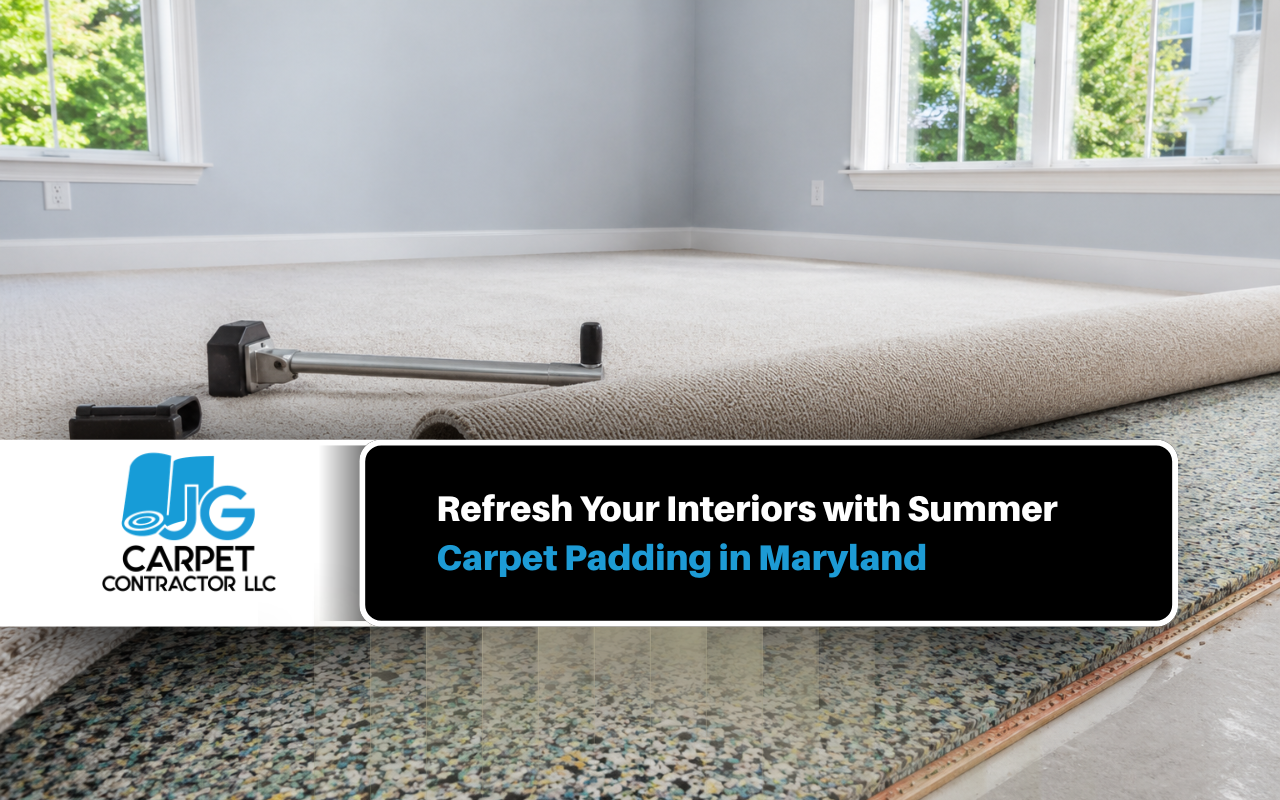
Summer brings bright light, warm rooms, and higher humidity. The right carpet pad can help your home feel cooler, softer, and fresher underfoot. At JG Carpet Contractors LLC, we guide homeowners through carpet padding types that fit seasonal comfort and daily use.
Choosing summer carpet padding in Maryland is about more than softness. It also means thinking about airflow, moisture control, and indoor air quality. A smart padding choice can support your carpet, protect your subfloor, and make each room feel more inviting during hot months.
Comfort That Fits Maryland Summer Homes
Warm weather can make some floors feel heavy or stale. A well-chosen carpet pad adds cushion without trapping too much heat. It supports the carpet fibers, reduces everyday wear, and gives your feet a softer surface after long days.
In family rooms, bedrooms, and hallways, comfort matters every time you walk across the floor. Summer carpet padding in Maryland can create a cleaner, calmer feel when it matches the room’s traffic level and your home’s moisture needs.
How Does Carpet Padding Handle Humidity?
Humidity can affect what happens below the carpet. If moisture gets trapped, the room may feel less fresh over time. Breathable padding helps air move below the carpet surface, which can reduce the damp feeling common in humid seasons.
With JG Carpet Contractors LLC, you can compare padding options based on comfort, room use, and moisture concerns. A better underlayment choice can help your carpet feel stable while supporting a fresher indoor space through summer.
Breathable Padding Options for Cooler Floors
Breathable padding is designed to allow more airflow than dense, closed materials. This can help the floor feel less warm, especially in rooms that get strong sunlight. It also supports comfort without making the carpet feel too soft or unstable.
- Open-cell foam can offer a softer feel for bedrooms and sitting areas.
- Rubber-style pads may add firm support for busy walkways.
- Ventilated designs can help reduce trapped heat below the carpet.
- Medium-density options often balance cushion, support, and airflow.
For rooms with steady foot traffic, it helps to review padding strength as well as comfort. You can explore more guidance for high-traffic carpet padding before deciding on one material for the whole home.
Mildew-Resistant Underlayment for Fresher Rooms
Mildew-resistant underlayment can be a smart choice in areas where humidity is a concern. It helps reduce the chance of moisture-related odors below the carpet. This is especially useful for rooms that stay closed, shaded, or less ventilated during summer.
This type of padding does not replace good home care, but it adds another layer of protection. Keeping spills under control, improving airflow, and selecting the right pad can all help your carpet stay fresher for longer.
Low-VOC Carpet Pads and Indoor Air
Low-VOC carpet pads are made to reduce chemical odors and support better indoor air. They can be a helpful choice for families, pets, and anyone who wants a cleaner feel inside the home. These pads pair well with fresh carpet and regular cleaning.
Our team at JG Carpet Contractors LLC can discuss low-VOC carpet pads when indoor comfort is a top concern. This choice can work well with breathable padding, especially in bedrooms, living rooms, and other spaces where people spend more time.
Room-by-Room Padding Choices That Make Sense
Each room has different needs. A guest bedroom may benefit from a soft pad, while a hallway may need firmer support. Choosing by room helps you avoid a one-size-fits-all result that feels too soft, too firm, or less practical.
- Bedrooms can feel calmer with soft, breathable padding.
- Living rooms often need comfort with steady support.
- Hallways usually need firmer padding for daily traffic.
- Home offices may benefit from stable padding under chairs.
- Basement-level rooms may need extra moisture awareness.
If you are comparing options, our guide to carpet padding materials can help you understand how each type may perform in different rooms.
Frequently Asked Questions
Is summer carpet padding in Maryland different from regular padding?
It can be. The main difference is the focus on airflow, moisture control, and indoor comfort during warmer months. Many homeowners look for breathable or mildew-resistant choices instead of standard padding.
What rooms benefit most from breathable padding?
Bedrooms, living rooms, and sunny spaces often benefit from breathable padding. It can help the floor feel more comfortable while still supporting the carpet. For material details, review our carpet padding comparison.
Can mildew-resistant underlayment stop all moisture problems?
No padding can stop every moisture issue. Mildew-resistant underlayment can help reduce risk below the carpet, but proper cleaning, ventilation, and fast spill care are still important for a fresher home.
Are low-VOC carpet pads worth considering?
Low-VOC carpet pads are worth considering when indoor air quality matters to your household. They can reduce strong odors from new flooring materials. You can also ask about low-VOC padding options for your home.
Should I replace carpet padding in one room or the whole house?
Both choices can work. A single room lets you test comfort first, while a full-home update gives a more consistent feel. When you choose JG Carpet Contractors LLC, we can help you decide based on room use and carpet condition. For busy spaces, see our padding guide for high-traffic rooms.
Plan a Cooler Carpet Upgrade This Summer
Summer carpet padding in Maryland can refresh your home without changing the whole design. The right pad can make rooms feel softer, quieter, and more comfortable through humid weather. A careful choice also supports the carpet above it.
- Choose breathable padding for better airflow underfoot.
- Consider mildew-resistant underlayment for humid rooms.
- Ask about low-VOC carpet pads for fresher indoor air.
- Match padding strength to each room’s traffic level.
At JG Carpet Contractors LLC, we can help you choose padding that fits your home, comfort goals, and seasonal needs. To plan your next flooring refresh, contact our carpet padding team and start with the rooms that need the most comfort.

Cool touch vinyl flooring can make warm rooms feel more comfortable without giving up style. At JG Carpet Contractors LLC, we help homeowners choose flooring that supports daily comfort, simple care, and a clean look for busy spaces.
When you want a floor that feels better under bare feet, professional vinyl floor installation can help you get a smooth finish and the right product for your home.
A Cooler Choice for Warm Indoor Spaces
Cool touch vinyl flooring is designed for homes where heat can make floors feel uncomfortable. It can be a smart choice for kitchens, living rooms, sunlit areas, and other rooms where comfort matters during warmer months.
This type of temperature-stable flooring works well for homeowners who want a surface that looks polished and feels pleasant. It gives you practical value while still offering wood, stone, and modern design options.
How Does This Flooring Stay Comfortable?
The comfort comes from layered construction. The top layer protects the floor, while the core supports stability and helps reduce the way heat feels on the surface. With JG Carpet Contractors LLC, you get guidance on options that match your room and daily use.
Summer-friendly LVP can help reduce the hot surface feel that some hard floors develop in direct light. It is not a cooling system, but it can support a more comfortable indoor experience.
Benefits That Matter During Hot Weather
Cool touch vinyl flooring offers more than a comfortable feel. It also works well in active homes where cleaning, durability, and visual appeal all matter.
- Comfortable surface for bare feet in warm rooms
- Stylish looks that can resemble wood, stone, or tile
- Moisture resistance for kitchens, bathrooms, and entry areas
- Simple cleaning with regular sweeping and gentle mopping
- Practical performance for homes with children or pets
For more design ideas, our guide to vinyl plank flooring styles can help you compare looks, textures, and room uses.
Designs That Fit Modern Home Styles
Today’s vinyl floors come in many colors, plank sizes, textures, and patterns. You can choose soft wood tones for a relaxed room, stone looks for a clean finish, or bold patterns for a more modern space.
Our team at JG Carpet Contractors LLC can help you think about lighting, wall colors, furniture, and traffic before choosing a floor. This helps the final result feel natural instead of forced.
Where Summer-Friendly LVP Works Best
Summer-friendly LVP is useful in spaces that get regular foot traffic or warmer indoor temperatures. It can also be a strong option when you want comfort without the harder feel of tile.
- Kitchens that need easy cleaning and moisture resistance
- Living rooms where comfort and appearance both matter
- Bedrooms where a softer feel underfoot is helpful
- Hallways that need durable, low-maintenance flooring
- Bathrooms or laundry areas when the product is rated for moisture
A planned vinyl flooring installation can help each room get the right layout, fit, and finish.
Simple Care for Lasting Floor Comfort
Routine care helps your floor keep its appearance and comfortable feel. Most homes only need simple cleaning habits to protect the wear layer and reduce surface damage.
- Sweep or vacuum often to remove dirt and grit
- Use a mild cleaner that is safe for vinyl flooring
- Wipe spills quickly to help prevent staining
- Place felt pads under furniture legs
- Use mats near doors to reduce tracked-in debris
Avoid harsh scrubbers, steam mops, and strong chemicals unless the product maker allows them. Gentle care helps temperature-stable flooring stay attractive and comfortable for everyday use.
Frequently Asked Questions
Is cool touch vinyl flooring good for sunny rooms?
Cool touch vinyl flooring can be a good option for sunny rooms because it is made to feel more comfortable than some hard surfaces. For a better result, pair the right product with careful vinyl floor installation.
What makes it one of the best floors for heat?
It can be one of the best floors for heat because it offers a comfortable surface, simple care, and many design options. It also avoids some of the harder feel that tile can have in warm spaces.
Can I use this flooring in kitchens or bathrooms?
Yes, many vinyl flooring products are suitable for kitchens or bathrooms when they are rated for moisture. You can review product choices and room needs through our vinyl plank flooring guide.
Does this flooring need special maintenance?
No, it usually needs simple care. Sweep often, mop with a mild cleaner, and protect it from sharp furniture edges. When you choose JG Carpet Contractors LLC, we can explain basic care steps for your selected floor.
How do I choose the right vinyl floor?
Start with your room use, design style, foot traffic, and comfort goals. A flooring professional can help you compare thickness, wear layers, color, and installation needs through vinyl floor installation planning.
Plan a Comfortable Vinyl Flooring Upgrade
Cool touch vinyl flooring can help your home feel more pleasant during warm seasons while giving each room a clean and stylish finish. At JG Carpet Contractors LLC, we focus on flooring choices that support comfort, daily use, and your design goals.
Ready to explore the right option for your space? Share your room details through our contact page and take the next step toward a cooler, easier-to-maintain floor.

Busy properties need floors that look warm, clean, and professional without slowing daily work. With the right product, finish, and care plan, hardwood flooring installation can support offices, hotels, retail spaces, and other active areas in Essex, Maryland.
At JG Carpet Contractors LLC, we help customers think through beauty, use, and upkeep before choosing High-Traffic Hardwood floors.
| Hardwood Flooring Benefit | Value for High-Traffic Spaces |
|---|---|
| Long-lasting durability | Helps the floor stand up to heavy daily use in commercial environments. |
| Professional appearance | Adds warmth, structure, and visual appeal to offices, hotels, and shared spaces. |
| Easy maintenance | Regular cleaning helps keep the floor looking clean and presentable. |
| Design flexibility | Different finishes and wood tones can match the style of the business. |
| Stronger property appeal | Quality hardwood flooring can make commercial interiors feel more refined and dependable. |
Best Hardwood Choices for Busy Essex Spaces
The best hardwood flooring for commercial spaces in Essex, Maryland depends on the room, traffic level, and daily cleaning needs. Harder wood species, quality finishes, and proper installation all help protect the surface from fast wear.
- Engineered hardwood can work well where moisture changes are a concern.
- Oak, maple, and hickory are common choices for active areas.
- Satin or matte finishes can hide small marks better than glossy finishes.
- Wide entry mats can reduce grit before it reaches the wood.
High-Traffic Hardwood floors should feel practical, not delicate. When the floor matches the way people use the space, it can keep its clean look with less stress.
Why Do Busy Properties Need Durable Floors?
Durable flooring for office buildings matters because first impressions happen fast. Visitors notice worn paths, dull spots, and scratches, especially in reception areas, hallways, meeting rooms, and shared work zones.
With JG Carpet Contractors LLC, you can choose flooring with daily use in mind. A durable floor helps support a cleaner appearance, smoother movement, and a more welcoming place for staff, guests, and clients.
Finishes That Protect Daily Foot Traffic
The finish is one of the most important parts of High-Traffic Hardwood floors. It protects the wood from scuffs, moisture, and dirt that can wear down the surface over time.
- Water-based polyurethane can dry faster and keep a clear appearance.
- Oil-based polyurethane can add a warmer tone to the wood.
- Matte finishes can make small scratches less visible.
- Maintenance coats can refresh the surface before deeper damage appears.
Our team at JG Carpet Contractors LLC can explain finish options in simple terms, so the final choice fits your space, cleaning routine, and design goals.
Simple Care for Low-Maintenance Wood Floors
Low-maintenance wood floors still need steady care, but the routine does not have to be hard. Sweeping, dust mopping, and prompt spill cleanup can protect the finish from grit and moisture.
Use a cleaner made for wood, and avoid soaking the floor. For seasonal tips, our guide to hardwood floor maintenance in humid climates explains how moisture control can help protect wood floors.
Commercial Spaces That Benefit From Hardwood
Hotel hardwood flooring options in Essex, Maryland should balance style, comfort, and durability. Hotels, offices, showrooms, and retail spaces often need floors that create a polished look while handling steady movement.
- Hotel lobbies can use hardwood to create a warm welcome.
- Office reception areas can look cleaner and more professional.
- Retail spaces can support product displays with a classic surface.
- Conference rooms can feel more refined with the right wood tone.
When you choose JG Carpet Contractors LLC, we look at how people move through the space before discussing flooring options. This helps the floor support both appearance and function.
Installation and Maintenance Planning
Good installation helps High-Traffic Hardwood floors perform better from the start. Subfloor condition, plank direction, expansion space, and finish selection all affect how the floor looks and holds up.
A clear plan also makes future care easier. Before work begins, review your expected traffic, cleaning schedule, and design goals. You can explore our professional hardwood flooring installation service to understand how planning supports better results.
Frequently Asked Questions
What makes hardwood suitable for high-traffic areas?
Hardwood works well in busy areas when the wood type, finish, and installation method fit the space. A strong finish and regular cleaning help protect the surface from daily wear.
Are hardwood floors a good choice for offices?
Yes, hardwood can be a good choice for many offices when durability and upkeep are planned early. For more details, visit our hardwood flooring installation page.
How can I protect hardwood from humidity?
Keep indoor humidity balanced and clean spills quickly. Our hardwood floor care guide for humid climates shares useful steps for protecting wood surfaces.
Can hotels use hardwood in guest-facing areas?
Yes, hotels can use hardwood in lobbies, corridors, and shared spaces when the floor is selected for traffic and maintained correctly. Hotel hardwood flooring options in Essex, Maryland should focus on strength, appearance, and ease of care.
Who can I contact about flooring for my property?
Our team can discuss your space, goals, and flooring needs. To start a conversation, use the contact page for JG Carpet Contractors LLC.
Plan Hardwood Flooring With Local Support
High-Traffic Hardwood floors can bring lasting style and practical value to commercial spaces when they are chosen with care. The right surface, finish, and routine can help your property stay clean, warm, and ready for daily use.
At JG Carpet Contractors LLC, we focus on flooring choices that make sense for your space in Essex, Maryland. To discuss durable wood flooring for your office, hotel, or commercial property, request flooring support in Essex, Maryland.
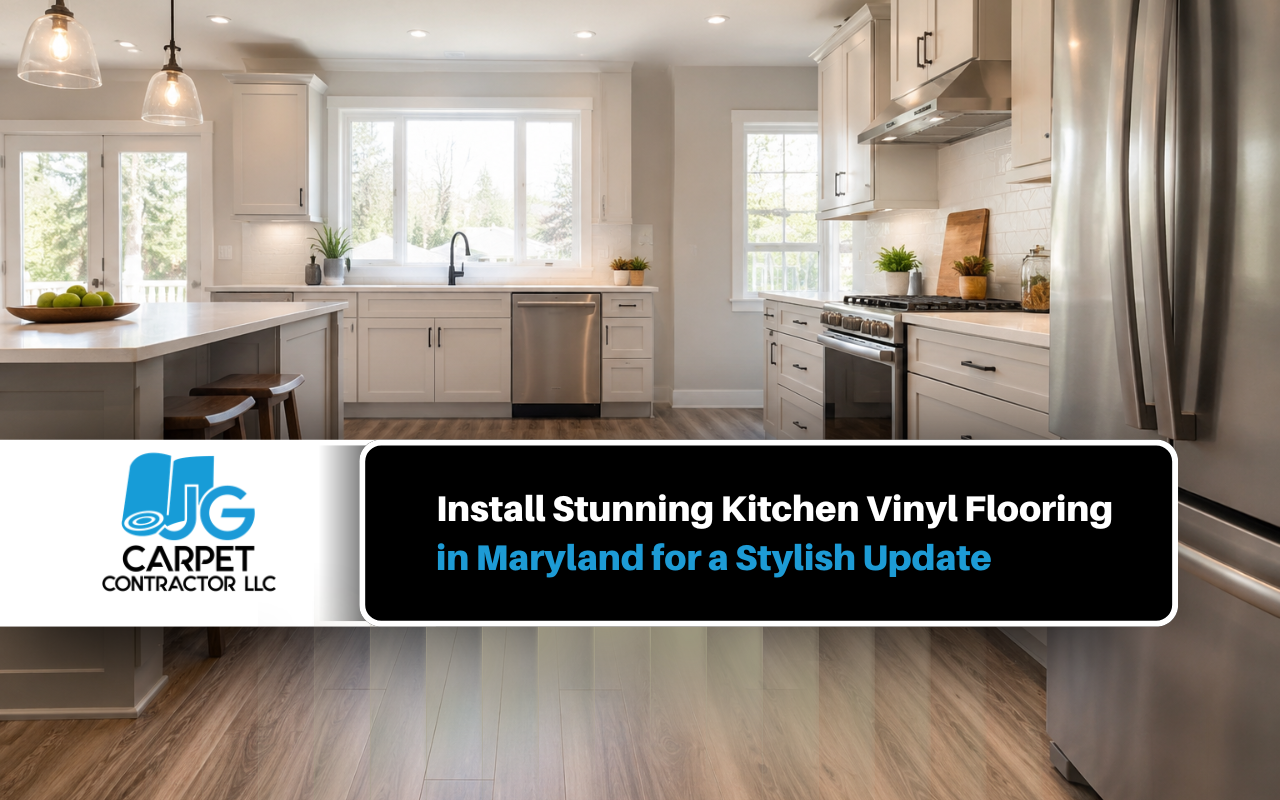
Kitchen floors work hard every day. They handle spills, heat, crumbs, foot traffic, and family routines. At JG Carpet Contractors LLC, we help you choose kitchen vinyl flooring in Maryland that looks warm, feels practical, and supports your daily needs.
Vinyl can bring the look of wood, stone, or tile without the stress of hard upkeep. It is a smart choice for Maryland kitchens that need comfort, easy cleaning, and steady performance.
Benefits That Fit Busy Maryland Kitchens
Kitchen vinyl flooring in Maryland gives homeowners a strong mix of style and function. It can refresh the room while making daily cleaning easier. A smooth surface helps you wipe up spills, sweep crumbs, and keep the space ready for cooking, eating, and gathering.
Vinyl also feels more comfortable underfoot than many hard kitchen surfaces. This matters when you stand at the counter, wash dishes, or prepare meals. With JG Carpet Contractors LLC, you can focus on flooring choices that match your kitchen style and your household routine.
What Makes Vinyl Safe for Kitchen Spills?
Kitchens need flooring that can handle water without stress. Water-resistant LVP helps protect the surface from common spills, splashes, and damp spots. This makes it easier to keep the floor clean after cooking, washing dishes, or busy family meals.
Good vinyl flooring also resists many stains when spills are cleaned quickly. That means juice, sauce, and cooking messes do not have to become long-term problems. For a deeper look at material pros and cons, visit our luxury vinyl tile guide.
Features for Heat, Water, and Daily Wear
The best kitchen vinyl flooring in Maryland should support real kitchen use. Focus on features that match how your family cooks, cleans, and moves through the room each day.
- Heat-resistant flooring helps reduce concerns near ovens, stoves, and sunny kitchen areas.
- Water-resistant LVP is useful for spills, sink splashes, and everyday moisture.
- A durable wear layer supports high-traffic kitchen floors and helps resist scuffs.
- Textured surfaces can add grip and create a more natural look.
- Quality underlayment can improve comfort and reduce some sound.
Design Options for a Kitchen You Enjoy
Vinyl comes in many colors, patterns, and textures. Light wood tones can make a smaller kitchen feel open and calm. Darker tones can add warmth and depth. Stone-look or tile-look vinyl can create a clean style without the cold feel of real tile.
Our team at JG Carpet Contractors LLC can help you compare options that fit your cabinets, counters, wall colors, and lighting. The goal is to choose a floor that looks natural in your home, not one that feels forced or too trendy.
Installation Steps That Protect the Final Look
A good vinyl floor starts with proper preparation. The surface below the floor should be clean, dry, and level. This helps the planks or tiles sit correctly and keeps the finished kitchen looking smooth.
- Remove old flooring when needed and check the subfloor condition.
- Clean away dust, debris, and loose material before installation begins.
- Level uneven areas so the vinyl can lay flat.
- Choose floating or glue-down installation based on the product and space.
- Check seams, edges, and transitions for a neat final finish.
Care Tips for High-Traffic Kitchen Floors
Vinyl is simple to care for, but regular habits help it stay attractive. High-traffic kitchen floors collect crumbs, grit, and small debris, so quick cleaning can protect the surface over time.
- Sweep or vacuum with a hard-floor setting often.
- Wipe spills quickly with a soft cloth or damp towel.
- Use mild soap and warm water for deeper cleaning.
- Avoid harsh scrub pads that may dull the surface.
- Place mats near the sink or cooking area for added protection.
Frequently Asked Questions
Is vinyl flooring a good choice for Maryland kitchens?
Yes, vinyl can be a strong choice for Maryland kitchens because it is easy to clean, comfortable underfoot, and available in many designs. For more kitchen-specific options, explore our vinyl flooring for kitchen spaces.
Can vinyl handle water from kitchen spills?
Water-resistant LVP can handle common kitchen spills when they are cleaned quickly. It is a practical choice near sinks, dishwashers, and cooking areas where moisture often appears.
How do I choose the right vinyl style?
Look at your cabinet color, counter style, lighting, and kitchen size. Wood-look vinyl can feel warm, while stone-look vinyl can feel clean and modern. Our luxury vinyl tile pros and cons explained page can help you compare details.
Does vinyl work for high-traffic kitchen floors?
Yes, many vinyl options are made for daily use. A strong wear layer helps protect high-traffic kitchen floors from scuffs, light scratches, and normal household movement.
How can I start my kitchen flooring project?
With JG Carpet Contractors LLC, you can discuss your kitchen needs, design goals, and installation details. Use our contact our flooring team page to share your project information.
Plan a Kitchen Floor That Works Daily
Kitchen vinyl flooring in Maryland can give your space a fresh look while supporting real daily use. From heat-resistant flooring to water-resistant LVP, the right product can make your kitchen easier to enjoy and maintain.
When you choose JG Carpet Contractors LLC, we help you think through comfort, style, and function before the project begins. To plan a floor that fits your Maryland kitchen, plan your kitchen vinyl flooring project with our team.
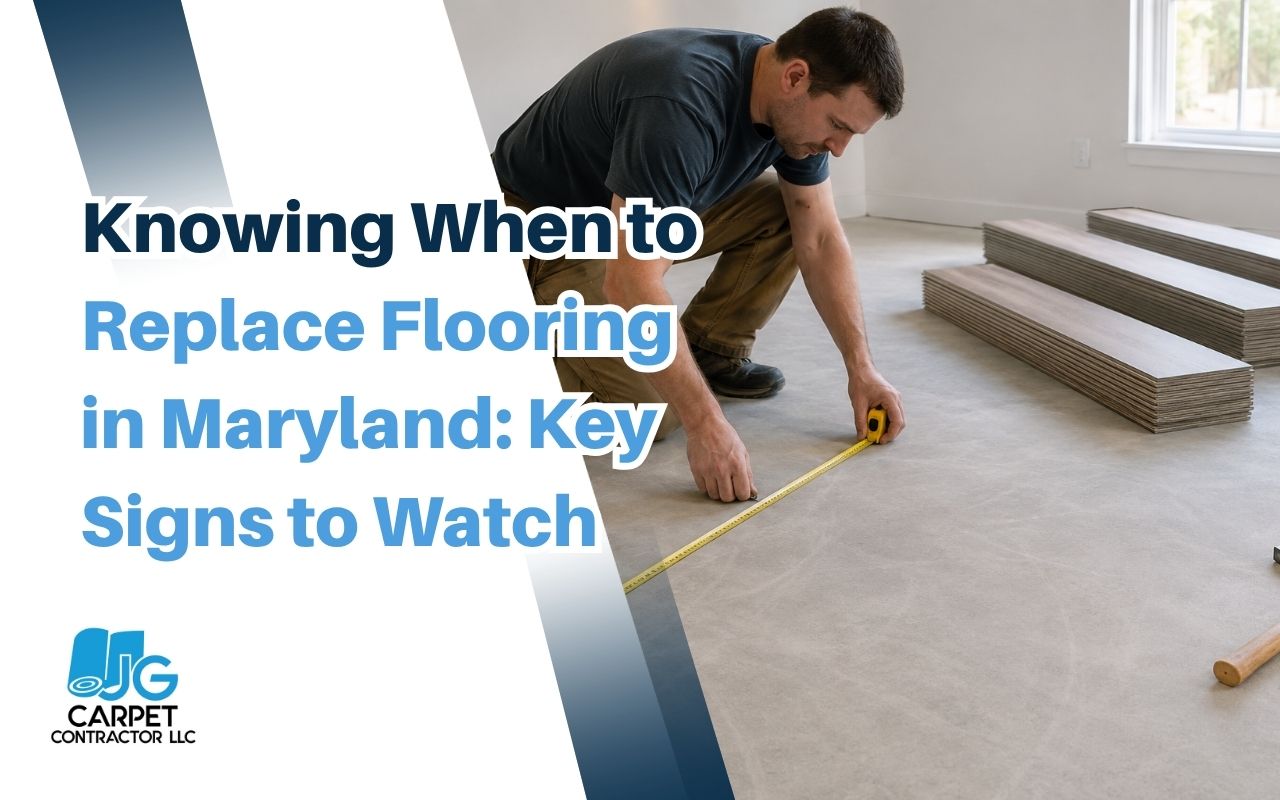
Floors work hard every day, and Maryland weather can make wear show faster. Knowing when to replace flooring in Maryland helps you protect comfort, safety, and the look of your home.
At JG Carpet Contractors LLC, we understand how humidity, winter dryness, pets, spills, and heavy foot traffic affect flooring. A clear plan can help you choose the right time, material, and installation approach.
Understanding How Long Floors Usually Last
Different floors age in different ways. Some surfaces last for decades with good care, while others show damage sooner in busy rooms. Understanding normal lifespans makes it easier to plan before small problems become large ones.
- Hardwood can last many years, but deep scratches, moisture damage, or loose boards may call for replacement.
- Carpet often wears faster in halls, stairs, family rooms, and bedrooms used every day.
- Vinyl and laminate can last well when protected from standing water and poor subfloor conditions.
- Tile and stone are durable, but cracked grout or loose pieces may signal deeper problems.
Clear Signs Your Floors Are Wearing Down
The most common signs of floor wear are easy to miss at first. Faded color, soft spots, stains, lifted edges, and uneven areas often appear slowly. When these issues keep coming back after cleaning or repair, replacement may be the better choice.
- Carpet smells return after cleaning or stains have reached the padding.
- Wood boards cup, warp, gap, or make loud creaking sounds.
- Laminate or vinyl edges peel, bubble, or separate near moisture-prone areas.
- Tile cracks, moves underfoot, or has grout that keeps breaking apart.
What Maryland Weather Does to Flooring?
Maryland homes face humid summers, cold winters, and shifting indoor moisture levels. These changes can expand wood, shrink planks, weaken adhesives, and stress grout lines. That is why knowing when to replace flooring in Maryland often depends on both visible damage and seasonal timing.
With JG Carpet Contractors LLC, you can think beyond surface style and consider how each flooring type handles local conditions. Moisture control, subfloor prep, and the right material choice all help your new floor perform better.
A Practical Seasonal Upgrade Plan
A seasonal upgrade plan gives you more control over the project. Instead of waiting for major damage, you can inspect your floors, compare materials, and schedule installation when indoor conditions are more stable.
- Inspect flooring in late winter for gaps, cracks, stains, and loose areas.
- Plan material choices in spring, when you can compare comfort, style, and room needs.
- Schedule installation during mild weather when possible, so materials can adjust properly indoors.
- Use summer to refresh rooms that need cooler, lighter, and easier-care surfaces.
Summer Flooring Ideas for Comfortable Maryland Homes
Summer flooring ideas often focus on comfort, moisture resistance, and a brighter home feel. Light luxury vinyl plank, waterproof laminate, tile, and soft carpet in the right rooms can make your home feel clean and welcoming during warmer months.
For more design direction, our team at JG Carpet Contractors LLC can help you explore options that match your rooms and daily life. You can also review ideas to transform your space with flooring before choosing a final style.
Professional Installation and Material Choices
Good flooring depends on more than the product. Subfloor condition, room moisture, transitions, layout, and proper installation all affect the final result. A professional review can help you avoid gaps, uneven seams, poor cuts, or material choices that do not fit the room.
When you choose JG Carpet Contractors LLC, we focus on practical flooring options that fit your home’s needs. This is especially important when deciding when to replace flooring in Maryland because local weather can affect long-term performance.
Frequently Asked Questions
How do I know if repair is no longer enough?
Repair may not be enough when damage keeps returning, the floor feels unsafe, or the material looks worn across large areas. These signs of floor wear often mean replacement will give better long-term value.
Is summer a good time to replace flooring?
Summer can be a good time if indoor humidity is managed and materials are allowed to adjust before installation. For planning help, review our Maryland flooring installation services.
Which rooms usually need flooring replacement first?
High-use rooms usually show wear first. Hallways, stairs, living rooms, kitchens, and bedrooms with pets or children often need attention before low-traffic spaces.
Can new flooring change the look of my home?
Yes. New flooring can make rooms feel cleaner, brighter, and more connected. Our guide to flooring ideas that transform your space can help you compare design options.
Who can help me decide when to replace flooring in Maryland?
A flooring professional can inspect wear, moisture concerns, and room use. You can contact our flooring team to discuss your home and next steps.
Plan Your Flooring Update With Confidence
Knowing when to replace flooring in Maryland starts with watching for damage, thinking about the season, and choosing materials that fit your daily life. A careful plan helps you avoid rushed choices and gives your home a cleaner, safer, and more comfortable surface.
For guidance on materials, timing, and installation, contact JG Carpet Contractors LLC through our flooring contact page. We can help you move from signs of wear to a practical replacement plan.
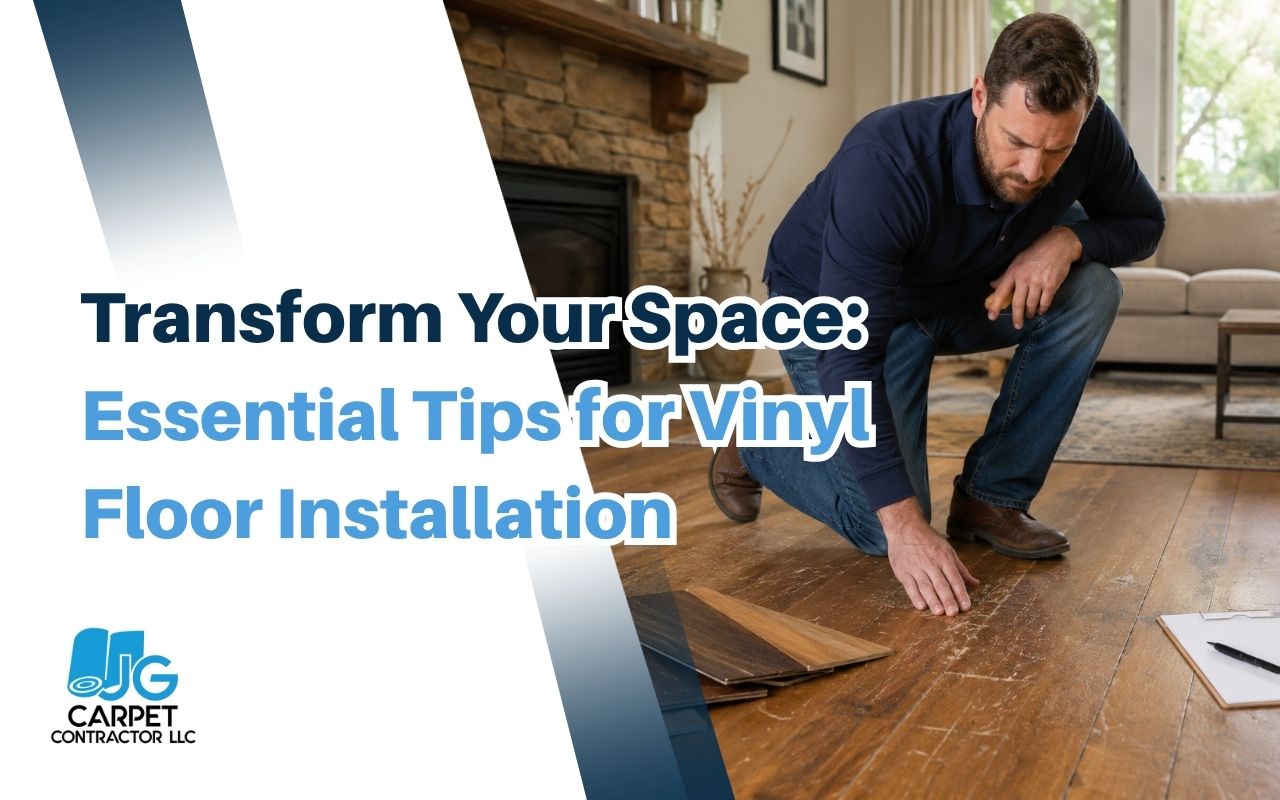
Vinyl flooring can refresh a room without a full remodel. At JG Carpet Contractors LLC, we focus on careful planning, clean prep, and a smooth finish for Maryland homes. You can explore our vinyl floor installation services in Maryland before starting your project.
A good floor starts before the first plank is placed. The right material, a solid subfloor, and smart layout choices can help your new surface look clean, feel stable, and last longer.
Choosing Vinyl Flooring for Maryland Homes
Vinyl flooring comes in planks, tiles, and sheets. Each option fits a different room and style. Planks can look like wood, tiles can resemble stone, and sheet vinyl can create a smooth surface with fewer seams.
Before your vinyl floor installation begins, think about traffic, moisture, furniture, and daily use. Kitchens, laundry rooms, basements, and entry areas may need a stronger wear layer. Bedrooms or light-use spaces may allow more design flexibility.
What Should You Check Before Installation?
Look closely at the room before choosing materials. Measure the space, note doorways and closets, and check for corners or uneven edges. This step helps reduce waste and keeps the finished layout balanced.
With JG Carpet Contractors LLC, you can expect planning that respects your space and your flooring goals. Good preparation also helps prevent common problems like gaps, lifting edges, and uneven seams.
LVP Install Prep That Protects Your Floor
LVP install prep matters because vinyl reacts to the surface below it. A clean, dry, and flat base helps the floor sit properly. Skipping prep can make even a quality product look uneven or wear too soon.
- Remove furniture, old flooring, loose debris, and adhesive residue.
- Check the room for moisture before placing new materials.
- Let vinyl flooring acclimate as the manufacturer recommends.
- Plan plank direction before cutting or locking pieces together.
Good prep also includes reading product instructions. Some floors need an expansion gap, while others need adhesive and rolling. These details can affect how the floor performs after installation.
Subfloor Requirements for a Smooth Finish
Subfloor requirements are one of the most important parts of any flooring project. Vinyl needs a surface that is flat, strong, clean, and dry. Small dips or bumps can show through the floor or affect how the seams close.
- Concrete should be checked for moisture before installation.
- Wood subfloors should not have squeaks or loose boards.
- Low spots may need an approved leveling compound.
- Dust and grit should be removed before flooring is placed.
Our team at JG Carpet Contractors LLC can help identify issues that may affect the final result. Careful subfloor preparation supports a better-looking floor and helps reduce future repair concerns.
Vinyl Install Mistakes to Avoid Early
Many vinyl install mistakes to avoid happen before the floor is fully placed. Rushing layout, skipping acclimation, or ignoring uneven areas can lead to visible problems later. Planning the details early protects the look and feel of the room.
- Do not install over dirt, dust, or loose materials.
- Do not force planks together if seams are misaligned.
- Do not ignore product instructions for spacing or adhesive.
- Do not move heavy furniture back too soon after glue-down work.
For more guidance, review our tips on common flooring installation mistakes in Maryland. A careful approach can save time, reduce stress, and help your floor look more professional.
Simple Care After Your New Flooring
After installation, simple habits can protect your new floor. Sweep or vacuum often, clean spills quickly, and use floor-safe cleaners. Avoid harsh products unless the flooring maker allows them.
Furniture pads can help reduce dents and scratches. Entry mats can also limit grit that gets tracked inside. These small steps support a cleaner surface and help your vinyl floor installation stay attractive through daily use.
Frequently Asked Questions
How long should vinyl flooring acclimate before installation?
Many products need time to adjust to the room before installation. The exact time depends on the manufacturer. Before scheduling professional vinyl floor installation, check the product instructions so the material is handled correctly.
Can vinyl flooring go over an old floor?
Sometimes it can, but the old surface must be stable, clean, flat, and dry. Loose tiles, soft spots, or rough areas should be corrected first. The wrong base can cause visible marks or movement.
Why does subfloor prep matter so much?
Vinyl is flexible, so it can show problems from the surface below. Strong prep helps prevent bumps, gaps, and lifting. When you choose JG Carpet Contractors LLC, we pay attention to these details before the finish goes down.
What are the most common vinyl installation problems?
Common issues include poor seams, trapped debris, uneven subfloors, skipped acclimation, and rushed adhesive work. Our guide to flooring installation mistakes to avoid explains why careful planning matters.
When should I contact a flooring installer?
You should reach out when you want help choosing materials, checking the room, or planning the work. You can use our flooring contact page to discuss your space and next steps.
Plan Your Vinyl Floor Project Confidently
A successful vinyl floor installation depends on preparation, product choice, and careful finishing. From LVP install prep to subfloor requirements, each step affects how the room looks and feels after the work is complete.
When you choose JG Carpet Contractors LLC, we help you move forward with a clear plan for your Maryland home. Share your room details through our vinyl flooring project contact page and take the next step toward a cleaner, more comfortable floor.

As we move toward 2026, homes are leaning into calm, bright spaces that feel fresh and easy to enjoy. Our guide to coastal vinyl floor trends 2026 shows how soft colors and simple finishes can bring a relaxed coastal mood into everyday living.
These floors do more than update a room. They help create a peaceful setting with style that lasts, easy care, and a look inspired by sand, light, and the comfort of home that JG Carpet Contractors LLC loves helping homeowners create.
How Coastal Vinyl Flooring Has Changed Over Time
Vinyl flooring has come a long way from basic sheet styles. Today, it gives homeowners realistic wood looks, better durability, and easy installation options that fit modern living. That growth made space for more relaxed designs inspired by the shore.
As tastes shifted, lighter grains, soft textures, and weathered finishes became more popular. Those changes helped shape coastal vinyl floor trends 2026, where comfort, water resistance, and beauty work together in a practical way for busy homes.
Key Features That Define This Style
Coastal-inspired vinyl floors stand out because they feel open, calm, and easy to live with. In many homes, the right details make the design feel natural instead of forced.
- Light, airy shades such as sandy beige, pale gray, and soft white
- Low-sheen finishes that keep the room looking relaxed
- Wood visuals with subtle grain for a clean and natural look
- Easy-care surfaces that work well in active spaces
At JG Carpet Contractors LLC, we often see homeowners choose these features because they support beach house aesthetics without making the room feel too themed or overly decorated.
Why Light Tone LVP Works So Well
Light tone LVP brings in the soft look of sun-washed wood and helps rooms feel brighter from the moment you walk in. It reflects daylight well, which can make smaller rooms, hallways, and open layouts feel wider and more welcoming.
This flooring also supports a clean design direction that stays flexible over time. Whether you prefer a coastal cottage or a simple modern look, light tone LVP fits naturally and supports coastal vinyl floor trends 2026 without overpowering your furniture or wall colors.
Using Coastal Floors Across Interior Spaces
These floors work beautifully in living rooms, kitchens, bedrooms, and entryways because they create visual flow from one area to the next. As a result, open spaces feel more connected and easier to decorate with a clear style direction.
For homeowners exploring beach house aesthetics, light floors pair well with white walls, woven textures, and soft blue or green accents. JG Carpet Contractors LLC also recommends keeping décor simple so the flooring can support the room instead of competing with it.
Can Seasonal Flooring Design Stay Timeless?
Yes, it can when the colors and textures stay soft and balanced. Seasonal flooring design does not need bold changes every year. Instead, a neutral floor can support fresh décor updates in spring, summer, fall, and winter without needing a full remodel.
That is one reason coastal vinyl floor trends 2026 feel so useful. The look stays calm and current, yet it also gives you freedom to update rugs, pillows, wall art, and accents as the seasons change around your space.
Choosing the Best Fit for Your Home
Before picking a floor, it helps to think about how each room is used. A busy kitchen or entry needs stronger wear protection, while a bedroom may focus more on comfort, appearance, and budget.
- Check the wear layer for high-traffic rooms
- Compare warm and cool tones under your room lighting
- Review installation methods for your timeline and budget
- Ask about styles that match your long-term décor plans
We suggest viewing samples at different times of day so you can see how color shifts in natural and indoor light. That step often makes it easier to choose a floor that truly feels right.
Frequently Asked Questions
What makes coastal vinyl flooring different from other styles?
It usually uses lighter colors, soft wood looks, and simple textures that create a relaxed and airy feel. The goal is to make the room feel bright, calm, and easy to enjoy.
Is light tone LVP a good choice for busy homes?
Yes, it can be a great option for active households because it is easy to clean and works well in spaces that need both durability and style.
Does this style only work in beach homes?
No, it also works well in city homes, suburban houses, and condos. The look is versatile because it feels clean, open, and welcoming in many settings.
How do I start comparing vinyl options?
A good first step is to explore our vinyl floor installation services and review different styles that match your space and daily needs.
Where can I see more flooring inspiration?
You can read our guide to luxury vinyl plank trends for more ideas that pair well with coastal-inspired interiors.
Easy Care and Simple Styling Ideas
Once installed, these floors are easy to maintain with regular sweeping and a damp mop using a mild cleaner. To protect the finish, it is best to avoid harsh products and place pads under heavy furniture.
- Use woven baskets, light fabrics, and natural wood accents
- Add sea-inspired colors in small décor pieces
- Keep the room open and uncluttered for a calm effect
- Reach out through our contact page for help planning your next flooring update
JG Carpet Contractors LLC believes the best results come from floors that feel timeless, practical, and easy to live with. With the right plan, coastal vinyl floor trends 2026 can bring lasting comfort and style into your home, and JG Carpet Contractors LLC is here when you are ready to take the next step.

Spring is a great time to brighten the first space people see when they enter your home. Our guide makes entryway carpet replacement for spring feel simple, practical, and worth the effort.
At JG Carpet Contractors LLC, we know how fast an entryway can lose its clean look. Daily foot traffic, dust, and moisture can wear it down, so a smart update helps your home feel fresh again.
Signs Your Entryway Carpet Needs Attention
Your entryway often shows damage before other rooms do. Because of that, it helps to check the carpet closely before planning any update. Clear traffic wear signs can tell you when entryway carpet replacement for spring is the right move.
- Thin or flat fibers near the door
- Frayed edges along walls or thresholds
- Stains that stay after cleaning
- Faded color in high-use spots
- Rough texture or matted areas
When you compare the carpet near the door with areas farther inside, the difference is often easy to see. That simple check helps you decide whether a full replacement makes more sense than another deep cleaning.
Fresh Carpet Looks for the New Season
Spring flooring updates work best when they feel light, clean, and welcoming. Soft neutrals, warm beige tones, and simple patterns can open up the space without making it feel busy. JG Carpet Contractors LLC also recommends choosing colors that blend well with nearby walls and trim.
- Light gray for a clean, modern look
- Beige for warmth and flexibility
- Subtle patterns to hide daily soil
- Loop textures for added depth
Many homeowners are also looking at new carpet styles 2026 trends for ideas. While style matters, the best choice still balances appearance, easy care, and the way your home is used every day.
Materials That Handle Busy Entryways
Not every carpet fiber performs the same way in a busy entryway. Nylon is a strong option because it handles wear well and cleans up easily. Olefin works nicely in homes that deal with moisture, while polyester can feel soft without pushing the budget too high.
Wool blends bring a more natural feel, but they may need gentler care. We suggest choosing the material that matches your daily traffic, cleaning habits, and the look you want to keep over time.
How Much Carpet Should You Order?
Start by measuring the width and length of the entry area, including corners, small landings, or tight side spaces. Then add a little extra for trimming and pattern matching. This step can save time, money, and frustration during entryway carpet replacement for spring.
Accurate numbers also make shopping easier when you visit our carpet store in Maryland. Ordering slightly more than the base measurement is often better than coming up short during installation.
Preparing the Space Before Installation
Before the new carpet goes in, clear shoes, mats, and small furniture from the area. Sweep or vacuum the floor well so dirt does not get trapped under the new surface. JG Carpet Contractors LLC believes good preparation is one of the easiest ways to get a cleaner final result.
It also helps to inspect the subfloor, door trim, baseboards, and transitions. Smooth edges and a stable surface give the carpet a better fit and help it last longer in a high-use part of the home.
Simple Care Habits After Replacement
Once the new carpet is in place, simple upkeep helps protect the look and feel of the space. Small habits can reduce wear and keep seasonal flooring updates looking fresh much longer.
- Vacuum the entryway at least twice a week
- Blot spills right away with a clean cloth
- Use mats to catch dirt before it spreads
- Schedule professional cleaning each year
Consistent care keeps fibers from breaking down too soon. It also helps your entryway carpet replacement for spring continue to look bright and welcoming as the seasons change.
Frequently Asked Questions
How do I know when entryway carpet should be replaced?
If you notice thinning fibers, stains that will not lift, fading, or rough texture, replacement may be the better option. These signs usually mean the carpet is no longer handling daily traffic well.
Which carpet material is best for a high-traffic entryway?
Nylon is often a strong choice because it resists wear and cleans easily. Other good options depend on your budget, moisture levels, and the amount of daily foot traffic in your home.
Are lighter carpet colors a bad idea for entryways?
Not always. Lighter tones can work well when you choose a practical texture or subtle pattern that helps hide soil. Regular care also makes a big difference in keeping the area looking clean.
Can I follow new carpet styles 2026 trends without losing durability?
Yes. JG Carpet Contractors LLC encourages homeowners to look at modern styles, but the final choice should still support daily use, easy cleaning, and long-term comfort.
Should I hire a professional for installation?
Professional installation can help the carpet fit better, wear more evenly, and look cleaner around edges and transitions. You can learn more about our carpet installation in Maryland if you want a smooth finish.
Start Your Spring Flooring Update with Us
A refreshed entryway can change the feel of your home from the moment you walk in. Whether you are responding to traffic wear signs or planning entryway carpet replacement for spring, JG Carpet Contractors LLC is ready to help you choose a practical and stylish solution.
For guidance that fits your home, visit JG Carpet Contractors LLC through our contact page. We are here to help you create an entryway that feels clean, durable, and ready for the season.