
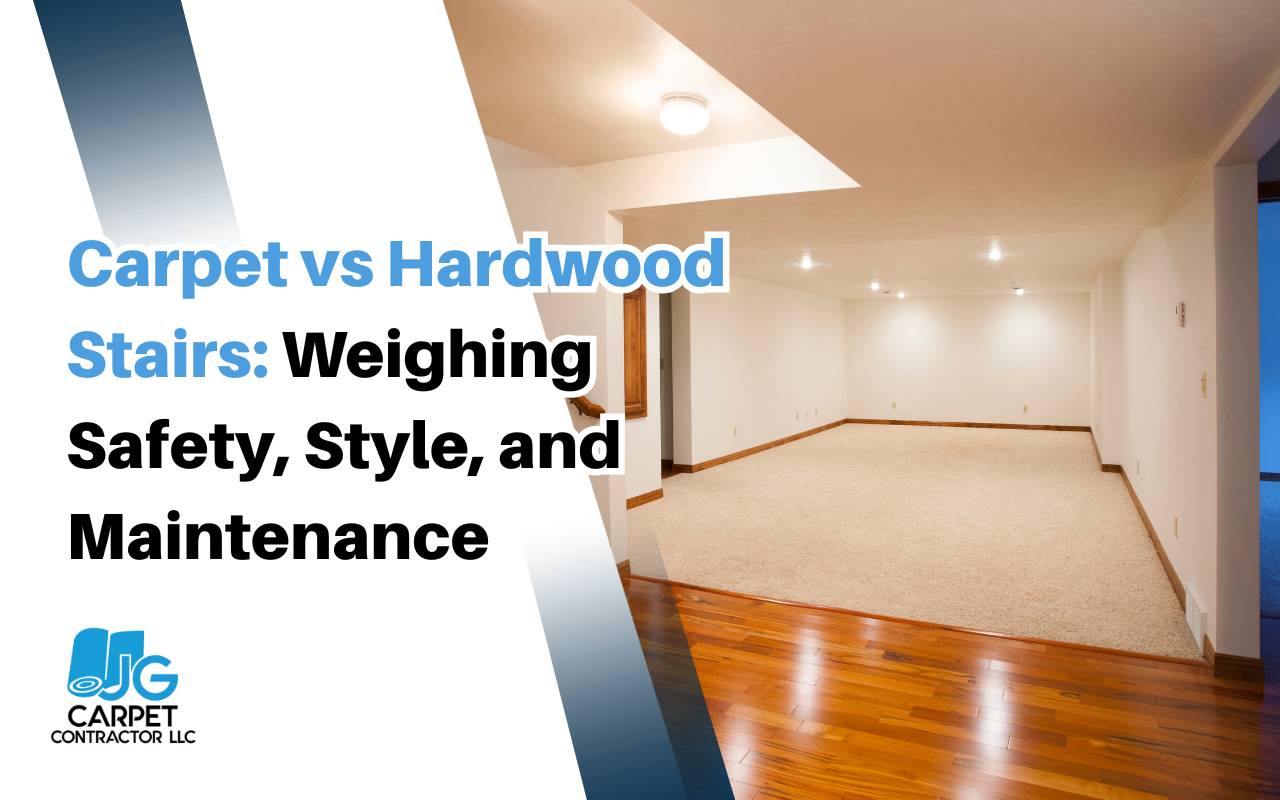
Imagine stepping into a home where the staircase serves as both a functional element and an aesthetic focal point. The choice between carpet vs hardwood stairs may seem trivial, yet it significantly influences your home’s safety, style, and maintenance. Carpeted stairs cushion each step, offering softness underfoot and a sense of warmth that invites comfort. However, there’s also a certain timeless elegance in the smooth finish of hardwood stairs, which can elevate the overall appeal of any interior space. In this exploration, we delve into the practical implications of each choice.
Did you know that slip resistance is often cited as a critical factor when choosing stair materials? Hardwood, while beautiful, can pose a slipping hazard, especially in households with children or elderly members. On the other hand, stairway carpet benefits extend beyond safety; it acts as a noise barrier and is straightforward to clean. As we weigh these factors, you’ll gain insights into how the right decision can complement your lifestyle and enhance your home’s design.
Safety Considerations of Carpeted Stairs vs Hardwood Stairs
1. Slip Resistance:
- Carpeted Stairs: The plush fibers of stairway carpet act as hooks to slow down shoes, providing grip and reducing the likelihood of slips.
- Hardwood Stairs: Wood surfaces can be slick, especially when wet or with wear. Additional measures like non-slip treads may be needed to enhance safety.
2. Impact Absorption:
- Carpeted Stairs: The cushioning effect of carpet can soften the impact in case of a fall, offering an added layer of protection.
- Hardwood Stairs: Hardwood does not provide the same level of impact absorption as carpet, potentially leading to more severe injuries upon a fall.
3. Maintenance Requirements:
- Carpeted Stairs: Regular vacuuming and occasional deep cleaning are necessary to maintain the appearance and functionality of carpeted stairs.
- Hardwood Stairs: Wood stairs require consistent maintenance to ensure finishes remain intact and provide adequate slip resistance over time.
4. Household Considerations:
- Carpeted Stairs: Families with young children or seniors may prefer carpeted stairs for the enhanced safety features and softer landing in case of accidents.
- Hardwood Stairs: Homes with a focus on aesthetics and design may lean towards hardwood stairs, but additional safety measures may be required to prevent slips and falls.
5. Customization Options:
- Carpeted Stairs: Carpets offer a wide range of colors, patterns, and textures, allowing homeowners to customize their stairs while prioritizing safety.
- Hardwood Stairs: Hardwood stairs provide a classic and elegant look that can be complemented with non-slip accessories or runners to enhance safety without compromising style.
Comparing the Style of Carpeted and Hardwood Stairs
The visual impact of carpet vs hardwood stairs can dramatically influence the character of your home’s interior. Carpeted stairs lend a sense of warmth and comfort, often creating a seamless transition from room to room. Patterns, textures, and colors abound with carpeting, offering nearly limitless customization options.
From plush Berber in neutral tones to rich, deep-hued cut piles, the right carpet can serve as an anchor for your design scheme. It also softens echoes and can complement adjacent flooring, allowing you to weave in accents from area rugs or upholstery for a cohesive look.
Hardwood stairs, on the other hand, stand as a hallmark of classic elegance and architectural definition. Their clean lines and natural grain patterns make them a focal point in traditional, transitional, or modern interiors alike. Light woods like maple and ash can brighten a space, while darker species such as walnut or mahogany lend a stately, formal vibe. In open-concept homes, wood stair treads and risers can integrate flawlessly with hardwood floors, fabricating a continuous visual flow. Even when layered with a runner, the rich undertones of polished wood peek through, marrying function with luxurious style.
Choosing between the two often boils down to the mood you wish to set: the inviting plushness of stairway carpet benefits for a cozy, lived-in feel or the timeless sophistication of wood that speaks to quality craftsmanship. Both styles can be accentuated with trim details—carpet with a custom border or hardwood with ornamental nosing. Ultimately, your choice should reflect your personal design DNA while balancing the practical considerations that come with daily foot traffic and upkeep.
Maintenance Comparison: Carpeted Stairs vs Hardwood Stairs
Proper wood stair maintenance and carpet care routines are both essential for preserving the look and longevity of your stairs. Carpeted stairs demand regular vacuuming—ideally weekly—to remove dust, dirt, and allergens from fibers. Occasional spot treatment keeps spills from becoming set-in stains, and professional deep cleaning every 12–18 months revitalizes the pile.
While carpet can hide minor cosmetic blemishes, persistent wear areas may eventually require patching or full replacement of stair runners. Hardwood stairs rely on a different upkeep strategy. Routine sweeping and dust-mopping prevent grit from scratching finishes, while a damp (not wet) mop, used sparingly, maintains cleanliness.
For deeper refreshment, wood stair maintenance often includes reapplying protective coatings—such as polyurethane or oil-based finishes—every few years, depending on traffic volume. These refinishing sessions restore luster and shield against moisture, scuffs, and UV fading. Although refinishing can be an investment, it extends the life of your stairs far beyond that of many carpeting options.
Choosing between the two involves weighing both frequency and intensity of maintenance. Carpet demands regular, lighter interventions to keep it looking fresh, whereas hardwood requires less frequent but more intensive care. Your willingness to commit to either routine—and perhaps engage professionals for periodic upkeep—can guide the right choice for your lifestyle and budget.
Comfort and Softness: Impact of Carpet on Underfoot Feel
Few elements influence the daily experience of your home as profoundly as the feel underfoot. Carpeted stairs deliver unparalleled comfort, cushioning every step with a plush layer of fibers. This softness absorbs the shock of descent, reducing stress on joints and bones—a boon for those who traverse the stairs multiple times a day. The thermal insulation properties of carpet also mean cold toes on the way up or down become a thing of the past, adding to the overall sense of coziness and warmth.
In contrast, hardwood stairs provide minimal give, offering a firm, stable surface with each footfall. While some may find this rigidity elegant and crisp, others may miss the plush underfoot sensation that carpeting provides. Residents with sensitive feet or joint issues often gravitate toward stairway carpet benefits for the extra padding, which can alleviate discomfort over time. Additionally, the dense weave of quality carpet contributes to sound dampening, making staircases quieter—a plus in multi-level homes where creaks and thuds can carry.
Ultimately, the comfort debate boils down to personal preference and household needs. If luxury and softness rank high on your priority list, carpeted stairs offer an immediate sense of plushness. However, if you prefer a firmer, more durable surface that aligns with contemporary aesthetics, hardwood delivers that and more, albeit without the cushiony feel. Understanding how each material interacts with your everyday life will help you choose a staircase that feels as good as it looks.
Elegance and Timelessness of Hardwood Stairs
Hardwood stairs have long been synonymous with enduring style and architectural integrity. Their natural grain patterns and warm hues evoke a sense of craftsmanship that transcends fleeting trends. From colonial homes to modern lofts, wood staircases adapt seamlessly to a variety of design palettes, lending an air of sophistication to any space. The versatility of hardwood lets you experiment with different finishes—glossy for a polished look, matte for a contemporary vibe, or wire-brushed for a weathered, rustic charm.
The ability to refinish and restore hardwood stairs adds to their timeless appeal. Unlike carpet, which may need full replacement once it reaches the end of its lifespan, wood can be sanded, stained, and sealed multiple times. This regenerative quality not only refreshes the appearance but also enhances resale value, as prospective buyers often consider wood floors and stairs a premium feature. Moreover, the minimalist allure of exposed treads can create an airy, open effect in tight stairwells, crafting visual interest without overwhelming the architecture.
Pairing hardwood stairs with metal or glass railing systems further elevates the modern elegance of your staircase. Whether your style leans toward traditional balusters or sleek cable railings, the wood treads serve as a neutral yet striking foundation. By investing in quality wood stair maintenance and finishes, you ensure that your staircase remains a showpiece for years to come, combining function and form in perfect harmony.
Cleaning and Upkeep: Hardwood Stairs vs Carpeted Stairs
Daily cleaning practices for stair surfaces differ significantly between carpet and hardwood. For carpeted stairs, a handheld vacuum or hose attachment simplifies the removal of dust, pet hair, and debris from individual steps. Spot-cleaning solutions designed for carpet fibers can attack stains quickly, but overuse may lead to discoloration if not rinsed properly.
Periodic professional steam cleaning revitalizes the pile and kills embedded allergens, an advantage for allergy sufferers seeking a healthier home environment. On hardwood stairs, a soft-bristled broom or microfiber dust mop keeps surfaces free of abrasive particles that can scratch finishes. Damp mopping with a cleaner formulated for wood preserves the protective seal, avoiding warping or moisture damage.
Wood stair maintenance also involves inspecting for loosening nails or screws in the treads and risers, addressing squeaks and structural wear promptly. When minor scuffs appear, specialized touch-up kits with colored wax or varnish can mask imperfections and maintain a uniform look.
While carpeted stairs may require more frequent attention to spot stains and odor control, hardwood stairs demand vigilance against moisture and scratches. Each material has its own set of cleaning challenges—but both can look pristine with consistent care. Your choice should reflect the amount of time and effort you’re willing to invest in stair maintenance, as well as your sensitivity to allergens and noise levels.
Frequently Asked Questions
Is carpet safer than hardwood for stairs?
Carpeted stairs generally offer better slip resistance and cushioning, making them safer especially for children and elderly family members. However, hardwood stairs with proper non-slip treatments can also be safe.
How often should hardwood stairs be refinished?
The frequency depends on traffic but usually every few years. Refinishing restores appearance and protects the wood.
Can I install carpet over hardwood stairs?
Yes, many homeowners choose to install carpet runners or full carpet coverage over hardwood stairs for added safety and comfort.
What maintenance does carpeted stairs require?
Regular vacuuming, spot cleaning, and professional deep cleaning every 12 to 18 months help keep carpet stairs in good condition.
Making the Right Choice for Your Safety, Style, and Maintenance
Deciding between carpet vs hardwood stairs ultimately depends on your family’s priorities and lifestyle. Carpet excels in comfort, slip resistance, and noise reduction, while hardwood offers timeless elegance, easy refinishing, and alignment with modern design trends.
Weigh your tolerance for maintenance—whether it’s frequent vacuuming and deep-clean sessions or periodic refinishing and scratch repair. Factor in safety needs, aesthetics, and long-term durability to ensure your staircase remains an inviting focal point for years to come.
For expert hardwood stair installation and repair services, visit our hardwood flooring installation and repair page. If you have questions or want to schedule a consultation, don’t hesitate to contact us today.