
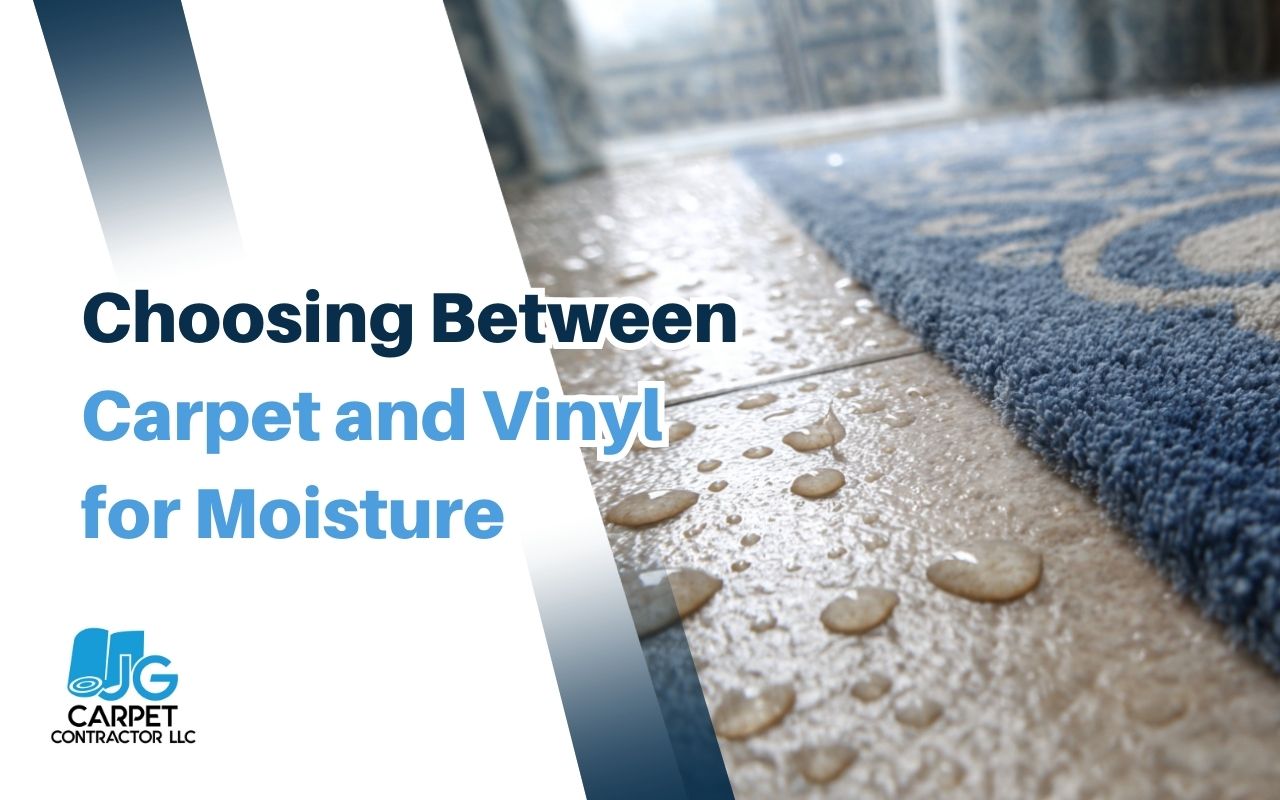
Choosing Right: Decide between Carpet vs vinyl for moisture Resistance. However, picking flooring can feel like choosing shoes for a rainy day.
When moisture is common, the Carpet vs vinyl for moisture choice matters. Otherwise, you may face mold, odors, or water damage later.
How carpet can handle moisture
In some cases, carpet can manage light moisture when you choose the right materials. For example, some carpets have water- and stain-resistant coatings.
As a result, they slow down soaking and lower mold risk. Still, Carpet vs vinyl for moisture depends on the room and daily use.
- Look for low-pile carpet so it dries faster.
- Choose treated fibers that resist spills and humidity.
- Use better underlay made for damp conditions.
Where carpet struggles in damp spaces
Even so, carpet can struggle when water reaches the backing and underlay. Then, moisture can stay trapped and create mildew smells.
Moreover, high humidity can keep the underlay wet for longer. So, Carpet vs vinyl for moisture often comes down to drying speed.
- Wet underlay can grow mold if it stays damp.
- Odors may linger and affect indoor air.
- Repairs can be harder when moisture spreads underneath.
Why vinyl is often the safer choice
In contrast, vinyl is a popular pick for wet rooms because it resists water on the surface. Therefore, it helps protect what is under the floor.
Many homeowners choose waterproof LVP because it looks like wood or stone. Meanwhile, it handles splashes and humidity well.
- Easy cleanup with simple wipes or mopping.
- Less chance for mold to take hold.
- Great fit for bathrooms, laundry rooms, and basements.
What to watch for with vinyl in damp rooms
However, vinyl is not perfect. For instance, it can feel cold underfoot in a basement or an unheated bathroom.
Also, dents or scratches can happen from heavy items. Then, damaged seams may let water in over time.
Durability and upkeep: carpet vs vinyl
When comparing Carpet vs vinyl for moisture, vinyl usually lasts longer in wet conditions. Since the top layer is sealed, it resists spills and damp air.
On the other hand, carpet can work in mildly damp spaces with fast cleanup. Still, repeated damp cycles may flatten it and cause odors.
Care tips that reduce moisture problems
First, respond fast to spills on carpet. Then, keep air moving to help it dry. This is especially important for Carpet padding in damp areas.
For vinyl, wipe spills quickly and check seams now and then. Also, use gentle cleaners to protect the wear layer.
Cost and value over time
At first, costs can feel similar, depending on style and quality. However, vinyl may reduce long-term repairs in wet rooms.
Carpet may need extra care tools and more frequent replacement. So, Carpet vs vinyl for moisture can affect total value over years.
Eco factors to keep in mind
Both materials have tradeoffs. For example, some carpets use oil-based fibers, and underlay may need replacing sooner in damp rooms.
Vinyl is also plastic-based, yet newer options can be lower-emission. Therefore, choosing certified low-emission products can help.
Frequently Asked Questions
Is Carpet vs vinyl for moisture a good comparison for bathrooms?
Yes. Bathrooms often have splashes and humidity, so the risk is real. In many cases, vinyl is easier to protect long term.
What are the best Bathroom flooring options for high humidity?
Vinyl is common for wet rooms because it repels water. Also, sealed tile can work, although it may feel colder.
Does waterproof LVP stop all water issues?
It blocks water on the surface very well. Still, seams can fail if boards lift or get damaged, so checks matter.
Can Carpet padding in damp areas be safe?
It can help in mildly damp rooms when paired with good airflow. However, if water often pools, it can still stay wet.
Which option is easier for families and pets?
Vinyl is often easier since it wipes clean quickly. Meanwhile, carpet can feel warmer, yet it needs faster spill response.
Next steps for your home
Ultimately, Carpet vs vinyl for moisture depends on comfort, cleanup habits, and how often the room gets wet. If the space stays humid, vinyl is usually the safer bet.
If you want expert help, explore carpet installation in Baltimore, MD for warmer rooms with controlled humidity. Alternatively, review vinyl floor installation in Maryland for wet areas that need stronger water protection.
When you are ready, reach out to JG Carpet Contractors LLC through the contact page to match the right floor to your space.