

Many homeowners want style, strength, and a lighter impact on the planet. Therefore, sustainable vinyl flooring options can feel like a smart fit for a remodel.
They can look modern and still support healthier choices. In this guide, you will learn what to pick, and why it matters.
Why Sustainable Vinyl Flooring Can Be a Smart Choice
Sustainable vinyl flooring options can support cleaner living and less waste. For example, some products use recycled content, which helps reduce landfill load.
In addition, many homeowners following Maryland green flooring trends like how these floors fit eco-focused goals. Also, they handle moisture well in kitchens and basements.
- Supports lower waste through recycled materials
- Works well in damp areas like bathrooms
- Offers many styles that copy wood or stone
- Often installs faster than tile or hardwood
Low-Emission LVP for Better Indoor Air
Low-VOC LVP is a popular pick for indoor comfort. As a result, it can help reduce harsh smells and support better air in your home.
Also, many brands share clear labels and third-party tests. Therefore, you can choose products that match healthier building goals.
- Look for trusted air-quality labels
- Pick wear layers built for busy rooms
- Choose colors that fit your lighting
- Use simple cleaning to keep the finish
Recycled Vinyl Floors and the Value of Reuse
Recycled vinyl floors help cut plastic waste by reusing leftover vinyl. Consequently, less new material is needed, and more scraps stay out of landfills.
However, style still matters. So, many recycled lines offer looks that copy wood, stone, or tile with strong daily performance.
- Helps reduce plastic waste
- Often keeps strong daily durability
- Comes in many patterns and tones
- Supports a reuse-first mindset
How Durable Are These Floors Over Time?
Sustainable vinyl flooring options can hold up well with daily use. For instance, most planks include a tough top layer that fights scratches and stains.
Unlike wood, they resist swelling from moisture. Also, unlike carpet, they do not hold as much dust over time.
Because durability depends on quality, compare wear layers, core build, and warranty terms. Then, choose what fits your traffic level.
Installation Basics for a Cleaner Project
Many sustainable vinyl flooring options use click-lock edges. Therefore, they can install without glue, which may reduce odors and mess.
Still, a flat base matters. So, start with a clean, dry, and even subfloor for the best result.
If you want local help, explore vinyl floor installation in Maryland for practical planning details.
Maintenance That Stays Eco-Friendly
Simple habits can keep sustainable vinyl flooring options looking new. First, sweep often to remove grit that can dull the surface.
Then, mop with a mild cleaner and water. However, avoid harsh products, since they can damage the top layer and add strong fumes.
Also, add felt pads under chairs and tables. As a result, you reduce marks and help the floor last longer.
Design Ideas Inspired by Maryland Green Flooring Trends
Maryland green flooring trends often lean toward calm, natural looks. So, many homeowners choose warm oak tones, soft grays, or light stone visuals.
In addition, you can change the feel of a room with layout choices. For example, you can try straight planks for a clean look.
- Use light tones to open small rooms
- Try mixed-width planks for a custom feel
- Add rugs made from natural fibers
- Pair plants and neutral paint for balance
Frequently Asked Questions
What makes vinyl flooring more sustainable?
It can use recycled content and cleaner production steps. Also, low-emission options can support healthier indoor air.
Is Low-VOC LVP safe for families?
It can be a better choice for indoor comfort. However, check labels and follow the maker’s install guidance.
Do recycled vinyl floors last as long as regular vinyl?
Many do, especially with a strong top layer. Therefore, compare specs and pick a line made for your traffic level.
Which rooms are best for sustainable vinyl?
Kitchens, baths, and basements are common picks. Since vinyl resists moisture, it often fits those spaces well.
Where can I learn about other green flooring choices in Maryland?
You can review sustainable flooring options in Maryland to compare materials and use-cases.
Make Your Next Flooring Choice More Sustainable
Sustainable vinyl flooring options can support your style goals and your eco values. For example, Low-VOC LVP can improve indoor comfort, while recycled vinyl floors can reduce waste.
If you want guidance for your project, you can also reach JG Carpet Contractors LLC through their contact page. Then, you can match the right floor to your room, timeline, and goals.
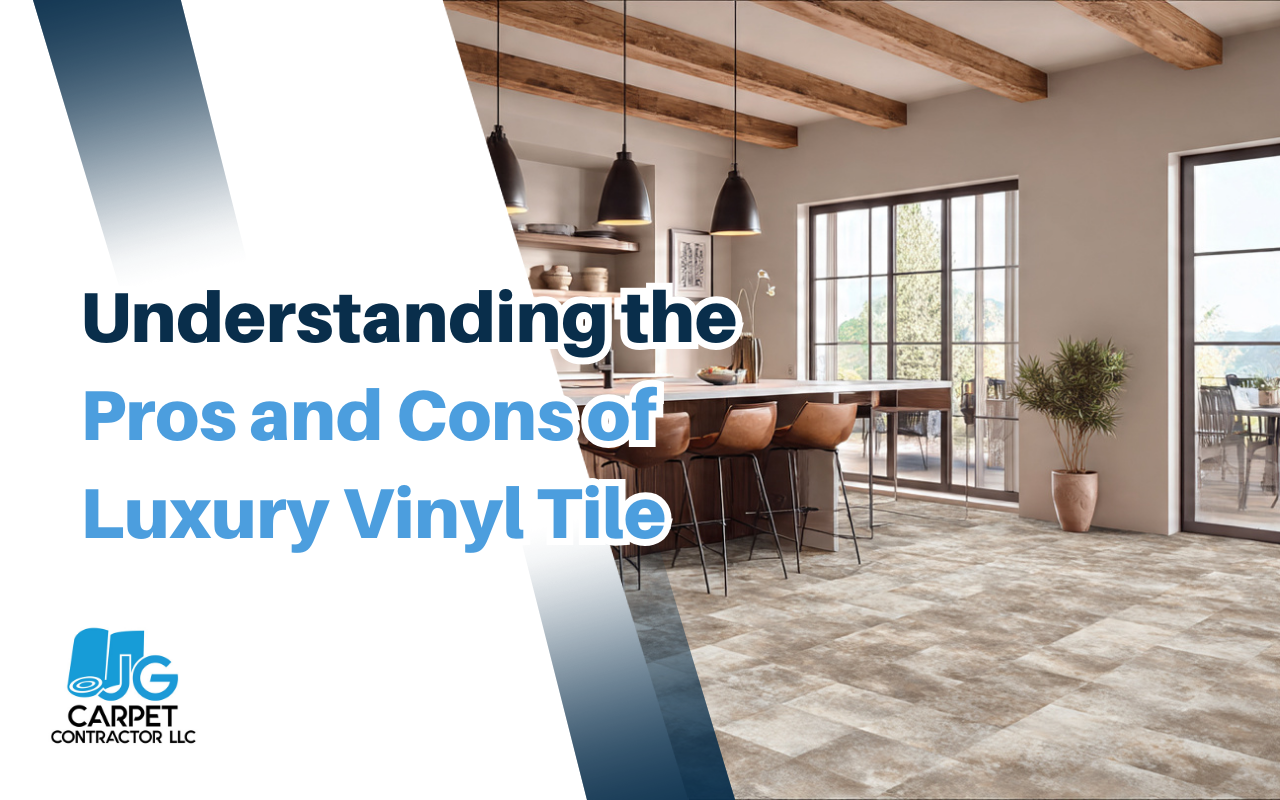
Choosing flooring can feel like picking the right outfit. You want style, comfort, and a good fit for the space. Pros and Cons of Luxury Vinyl Tile matter most in busy areas like kitchens, where daily life can be tough on floors.
Luxury Vinyl Tile (LVT) is a multi-layer vinyl floor that can look like stone or wood. It uses a strong wear layer, a printed design layer, and a stable base layer. Because of this build, it can look realistic while handling everyday use.
Durability and resilience in daily life
When people compare the Pros and Cons of Luxury Vinyl Tile, durability is often the first topic. LVT handles foot traffic, pet claws, and dropped items better than many floors. Also, the wear layer helps protect against scratches, stains, and scuffs.
In many brands, Updated LVT durability 2026 includes stronger coatings and tougher wear layers. For example, some lines use enhanced urethane finishes or added particles for extra strength. Even so, good care still helps the floor last longer.
- Handles high traffic in busy rooms
- Resists many everyday scratches and scuffs
- Stays stable through normal temperature changes
- Often keeps its look for years with basic care
Stylish design options for modern homes
LVT offers many looks, which is a big reason it stays popular. It can copy wood, stone, and ceramic visuals with high-detail printing. In addition, many tiles include edges and textures that make the surface feel more natural.
If you want Flooring for kitchens that looks high-end without the same upkeep, LVT can help. You can also mix sizes and patterns to create a custom layout. As a result, it fits both classic and modern styles.
- Wood-look styles with realistic grain detail
- Stone-look tiles with grout-line visuals
- Modern patterns like hex shapes and large formats
- Textured finishes for a more natural feel
Easy installation process
Many homeowners like LVT because it can be easier to install than traditional tile. Many products use click-lock edges, so pieces snap together without messy glue. Because it is a floating floor, it can expand and shrink with normal changes in temperature.
Still, prep matters. A smooth subfloor helps the tiles sit flat and look clean. For larger spaces or detailed patterns, working with a pro can also reduce waste and improve the final finish.
Low maintenance requirements
For daily cleaning, LVT is simple. Sweeping or vacuuming removes grit, and a damp mop handles most spills. Also, it does not need sealing, waxing, or special treatments like some natural surfaces.
This is why many people choose it for busy homes. It can also feel cleaner than carpet because it does not trap dust and pet hair in the same way. However, using gentle cleaners helps protect the wear layer.
Comfort and softness underfoot
LVT has a softer feel than stone or ceramic. Because it has layers, it can feel slightly cushioned when you stand on it. Therefore, it can reduce fatigue during cooking or long prep sessions.
It can also feel less cold in cooler months. In some setups, it works with radiant heat as well. Plus, it may help soften sound in open layouts, which can make the room feel calmer.
Water resistance and moisture tolerance
For Flooring for kitchens, water performance is a key factor. LVT is water-resistant and can handle splashes better than hardwood. In addition, some products are built to be fully waterproof.
Even so, it is smart to wipe standing water quickly. That habit helps protect seams and keeps the floor looking its best over time.
- Handles spills and humidity better than hardwood
- Works well in kitchens, baths, and basements
- Many click systems create tight seams
- Quick cleanup helps prevent long-term seam issues
LVT vs LVP: what’s the real difference?
LVT vs LVP is mostly about shape and the look you want. LVP is made to look like long wood planks. LVT comes in tile shapes, such as squares or rectangles, which can suit stone or ceramic styles better.
Both options often share similar benefits, such as easy cleaning and strong wear layers. So, the best choice depends on your design goal and how you want the room to feel.
Environmental impact and sustainability considerations
LVT is a synthetic material, so it comes with tradeoffs. However, many brands now add recycled content in the core or backing. Also, some products aim for lower chemical emissions to support better indoor air quality.
To make a smarter pick, look for third-party certifications that focus on low VOCs. In some cases, brands also offer take-back programs. As a result, you can balance performance with a more thoughtful choice.
Potential drawbacks to consider
To weigh the Pros and Cons of Luxury Vinyl Tile fairly, you need to look at the downsides too. Heavy furniture can leave dents, especially with sharp legs or wheels. Also, smooth surfaces can feel slippery when wet.
Some glued installations are harder to remove later. In addition, sharp objects can puncture vinyl, and lower-quality products may fade in strong sunlight. Therefore, picking a better wear layer and using window coverings can help.
Key advantages of LVT
Although LVT has limits, it still offers strong day-to-day value. It can deliver a realistic look, simple care, and good moisture resistance. Because of that mix, it is often a practical choice for busy homes.
- Realistic appearance with modern printing
- Easy to clean with simple routine care
- Water-resistant performance for active rooms
- Fast installation for many floor plans
- Wide range of styles and textures
Frequently Asked Questions
Is Luxury Vinyl Tile good for kitchens?
Yes. It is water-resistant, easy to clean, and comfortable to stand on. That is why Flooring for kitchens is a common use for LVT.
What is the biggest difference in LVT vs LVP?
The main difference is shape and style. LVT looks like tile or stone patterns, while LVP looks like long wood planks.
What does Updated LVT durability 2026 usually mean?
It often refers to stronger wear layers and improved top coatings. Some lines use tougher finishes to reduce scuffs and stains.
Can LVT dent from heavy furniture?
Yes, it can. Use felt pads and wide furniture feet to spread weight. This helps protect the surface over time.
Do I need a professional installer for LVT?
Not always. Many click-lock floors are DIY-friendly. However, pros can help with subfloor prep and complex patterns.
Is Luxury Vinyl Tile the right choice for your home?
The Pros and Cons of Luxury Vinyl Tile come down to your space and your priorities. LVT offers strong durability, flexible designs, and easy care. It also performs well in high-use areas with moisture, like kitchens.
At the same time, dents, slipperiness when wet, and sunlight fading can be concerns. If you want expert guidance for your project, explore the benefits of LVT flooring for MD homes. Then, for planning and next steps, review vinyl floor installation in Maryland and reach out through the contact page.
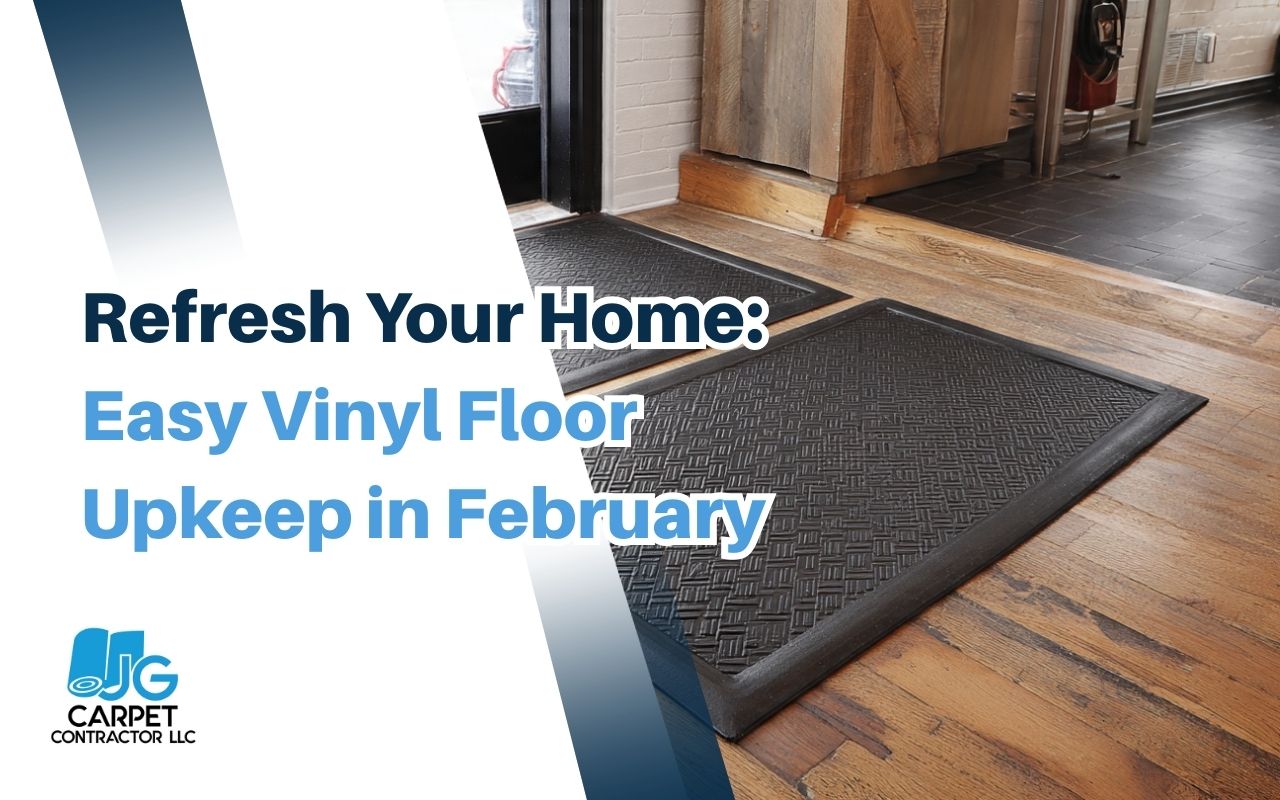
Spring invites us to breathe new life into our homes. Therefore, February is ideal for Vinyl floor upkeep in February as winter fades.
With slushy rain and snow, especially in the mudroom, vinyl needs extra care. As a result, your waterproof flooring can stay bright and strong with the right habits.
Benefits of Vinyl Flooring in High-Traffic Areas
Vinyl shines in busy rooms because it has a tough top layer. For example, it helps resist scratches, scuffs, and daily foot traffic.
As part of Vinyl floor upkeep in February, look for early wear. Then, you can avoid bigger damage later.
- Helps reduce scratches in hallways, kitchens, and family rooms
- Makes cleaning faster after wet weather
- Supports long-lasting style with simple care
Because vinyl blocks moisture well, spills and slush are less stressful. In addition, routine cleaning is easier when water beads up.
Understanding the Properties of Vinyl Floors
Vinyl floors have layers that work together for comfort and strength. First, the top layer helps guard against marks and spills.
Next, the design layer gives color and pattern. Under that, a firm core helps keep the floor steady.
- Top layer: helps protect against scratches and stains
- Design layer: supports a wide range of looks
- Core and backing: help keep the floor stable
Also, vinyl is water resistant. So, it helps protect the base under the floor from moisture.
Finally, vinyl feels softer than tile or wood. As a result, it can be kinder on feet and can help lower noise.
The Importance of Regular Cleaning and Maintenance
Regular cleaning keeps salt, dirt, and grit from wearing the surface. Therefore, sweep or vacuum a few times each week.
Then, damp mop to remove film and spots. In short, steady care beats bigger fixes later.
- Sweep or vacuum often to remove grit
- Damp mop with a gentle cleaner when needed
- Wipe spills quickly to avoid stains
Even with water resistance, sticky spills can stain if ignored. So, one of the best Floor cleaning tips is to wipe messes right away.
Also, check for loose edges in cold months. Because temperature changes can open small gaps, quick fixes help avoid trips.
Essential Tools for Vinyl Floor Care
Microfiber mops are gentle and effective. In addition, washable heads make cleaning simpler.
Use a mild, balanced cleaner, and avoid harsh products that can dull the finish. As a result, Vinyl floor upkeep in February feels easier.
- Microfiber mop and a bucket for weekly care
- Vacuum with a soft brush for corners
- Plastic scraper for sticky residue
Also, place mats at entrances to catch grit. For better Mudroom vinyl protection, use a mat outside and another inside.
If you want expert help, explore seasonal floor care guidance in Maryland to match cleaning to changing weather.
Weekly Cleaning Routine for Vinyl Floors
Start with sweeping or vacuuming to remove loose dirt. Then, damp mop with warm water and a small amount of gentle cleaner.
Be sure to wring the mop well. Otherwise, puddles can creep into seams.
- Dry clean first to remove grit
- Damp mop with little water
- Wipe transitions and edges after
Another helpful Floor cleaning tips habit is rinsing the mop often. That way, you do not spread dirty water around.
At the end, check baseboards and trim. Consequently, grime will not build up along the edges.
Dealing with Tough Stains on Vinyl Flooring
Some stains need extra care, like grease, ink, or red wine. First, blot gently to absorb the spill.
Then, use mild soap in warm water and wipe in small circles. However, avoid hard scrubbing.
For stubborn spots, try a baking soda paste. Afterward, rinse well and dry with a soft cloth.
Scuffs often lift with a pencil eraser or a soft cleaning sponge. Therefore, treat marks early so they do not linger.
Seasonal Deep Cleaning Guide for Vinyl Floors
Choose a calm day in February for a deep clean. First, move light furniture and rugs.
Next, vacuum corners and sweep the main surface. Then, mop in small sections and rinse often.
- Clear the area and remove grit
- Mop in sections and rinse with clean water
- Dry with microfiber to prevent spots
Once the floor is dry, add felt pads under furniture legs. As a result, the top layer stays smoother for longer.
Also, if you are planning an upgrade, see vinyl floor installation in Maryland for options that fit busy homes.
Protecting Vinyl Floors from Winter Elements
Salt, slush, and sand can wear floors if ignored. Therefore, place absorbent mats at every entry point.
Also, encourage shoe removal. As a result, less grit reaches your main rooms.
- Use entry mats to trap moisture
- Clean small messes during storms
- Add runners in high-traffic paths
For stronger Mudroom vinyl protection, keep a small broom near the door. Then, sweep quickly after each busy day.
With these habits, Vinyl floor upkeep in February becomes simpler and more consistent.
DIY Natural Cleaners for Vinyl Floor Care
Vinegar can be a gentle choice for many homes. Mix one cup of white vinegar with a gallon of warm water.
Then mop lightly and rinse with plain water. As a result, the finish looks clearer.
Baking soda can help with scuffs. Make a paste, rub softly, and rinse well.
For a fresh scent, add a few drops of essential oil. However, test a small hidden area first.
Frequently Asked Questions
How often should I focus on Vinyl floor upkeep in February?
Do weekly cleaning, then add one deep clean during February. That way, winter grit does not build up.
Is waterproof flooring really safe from winter slush?
It resists moisture well, yet seams still matter. Therefore, dry puddles quickly and use mats at entries.
What Floor cleaning tips help prevent dull vinyl?
Use a gentle cleaner, avoid harsh chemicals, and rinse the mop often. Also, wipe spills right away.
What is the best Mudroom vinyl protection setup?
Use a mat outside and one inside, plus a runner in the path. In addition, keep a small broom nearby.
When should I call a pro for vinyl issues?
If edges lift, seams separate, or stains will not budge, get help. You can reach JG Carpet Contractors LLC here: contact JG Carpet Contractors LLC.
Sustain the Beauty of Your Vinyl Floors
Routine care and seasonal deep cleaning keep vinyl durable and attractive. Therefore, stay consistent with weekly habits.
February is a smart time to reset after winter. With steady care, Vinyl floor upkeep in February keeps your floors bright for seasons ahead.

Vinyl Flooring with Radiant Heating turns cold Maryland winters into a season of gentle, steady warmth at home. Instead of fighting chilly air and rising bills, you enjoy floors that share comfortable heat from the ground up. Each step feels inviting, even when frost covers the sidewalks outside.
This combination blends comfort, style, and practicality. Vinyl flooring brings durability and attractive designs, while radiant heat delivers quiet, even warmth. Together they create reliable winter home comfort that feels luxurious but remains simple to live with every day.
The Benefits of Vinyl Flooring in Maryland Winters
Maryland winters bring icy mornings and damp afternoons, so flooring must handle moisture, mud, and heavy boots. When you choose Vinyl Flooring with Radiant Heating, your floors resist warping, swelling, and stains, even when snow, salt, or slush gets tracked inside by busy families.
Vinyl stands up to daily traffic, kids, and pets without constant repairs. Simple sweeping and occasional mopping keep it looking fresh. Paired with heated floors Maryland systems, vinyl removes the shock of cold surfaces and turns entryways, living rooms, and basements into warm gathering spots.
- Excellent moisture resistance during wet, snowy weather.
- Strong surface that resists scuffs and scratches.
- Easy cleaning with no sanding or refinishing needed.
- Comfortable feel that supports winter home comfort.
To explore styles that fit your home, visit a trusted local flooring store in Maryland and see options in person.
Understanding Radiant Heating Systems
Radiant heating warms the floor itself, then lets that heat rise gently through the room. Electric systems use thin heating mats or cables installed under the floor. Hydronic systems move warm water through tubes beneath the surface, powered by a boiler or water heater.
Both systems spread heat evenly, reducing cold corners and avoiding blasts of hot, dry air. They also help your home stay quieter and cleaner because there are no loud fans pushing dust and allergens around. Zoning controls let you warm only the rooms you use most.
- Electric radiant: heating cables or mats for targeted areas.
- Hydronic radiant: water-filled tubes for larger spaces.
- Smoother temperatures with fewer hot or cold spots.
- Improved indoor air quality and less noise.
How Radiant Heat Works with Vinyl Flooring
Heat moves upward from the subfloor, passes through the vinyl, and spreads across the room. Vinyl transfers this gentle warmth quickly, so the space reaches a comfortable temperature without delay. Stable vinyl planks stay snug in place, avoiding the cracks and gaps some materials develop.
Manufacturers test specific products for LVP radiant heat compatibility, confirming they can handle repeated heating and cooling cycles. When combined with properly designed heated floors Maryland systems, certified planks maintain color, shape, and performance. Following the recommended maximum temperature keeps the surface safe and attractive.
- Choose planks rated for radiant heat use.
- Follow manufacturer temperature guidelines.
- Work with an installer familiar with LVP radiant heat compatibility.
Installation Considerations for Vinyl Flooring with Radiant Heat
Planning Vinyl Flooring with Radiant Heating starts with the subfloor. The surface must be clean, dry, and level so the heating system and vinyl planks sit flat. Any bumps or debris can create warm and cool spots, so careful preparation is essential before the first panel is placed.
Underlayment should be thin and designed for use over radiant heat. Thick foam layers block heat and reduce efficiency. Professional installers position electric mats or hydronic tubes precisely, then leave expansion gaps around walls so the floor can move slightly without buckling during temperature changes.
- Level and smooth the subfloor before installation.
- Use heat-friendly underlayment approved for radiant systems.
- Include expansion gaps near walls and fixed objects.
- Apply suitable adhesive and moisture barriers when needed.
Many homeowners begin with expert vinyl floor installation in Maryland to ensure their radiant system performs at its best.
Energy Efficiency of Radiant Heating and Vinyl Flooring
Radiant systems paired as Vinyl Flooring with Radiant Heating often run at lower temperatures than traditional radiators or vents. Because the entire floor becomes a gentle heat source, the system does not need to work as hard to keep rooms comfortable on cold nights.
Vinyl helps hold warmth longer, slowing heat loss once the system cycles off. Zoned controls allow you to heat only the spaces you use, while some homes benefit from off-peak energy schedules. Together, these features support winter home comfort while helping reduce overall energy use.
- Lower operating temperatures than many old systems.
- Even warmth that reduces wasted energy.
- Zoned heating focused on active rooms.
- Potential savings over the life of the floor.
Maintenance Tips for Vinyl Flooring in Combination with Radiant Heat
Caring for this setup is simple. Sweep or vacuum with a soft attachment to remove dust and grit that might scratch the surface. For deeper cleaning, use a mild, pH-neutral vinyl floor cleaner and a damp mop, avoiding harsh chemicals and rough scrub pads.
Avoid thick rugs with rubber or latex backing, as they can trap heat and create uneven warmth. Instead, choose breathable rugs that allow air and heat to move freely. Have a qualified technician inspect the radiant system regularly so loose connections or cool areas are fixed quickly.
- Clean gently with soft tools and mild cleaners.
- Avoid heat-blocking rugs with rubber backing.
- Check for unusual hot or cool spots.
- Schedule routine system inspections as needed.
Design Options and Aesthetic Appeal
Vinyl offers a wide range of looks, from rustic wood to sleek stone. Wood-look planks mimic oak, walnut, or hickory with natural textures and rich colors. Stone visuals recreate marble, slate, or limestone, but without the cold feel of real stone under your feet in January.
Because Vinyl Flooring with Radiant Heating works in many rooms, you can carry one style throughout your home. Kitchens, bathrooms, and basements all gain the same cozy, connected feel. Whether you love wide planks, herringbone layouts, or patterned tiles, vinyl makes it easy to match your décor.
Cost Analysis: Vinyl Flooring and Radiant Heat
The initial cost of vinyl planks and radiant heat can be higher than some basic options, but long-term value is strong. Vinyl often costs less than hardwood or natural stone while delivering a similar appearance and impressive durability during busy seasons.
Radiant systems usually have fewer moving parts than forced-air equipment, which may reduce breakdowns over time. Vinyl’s low upkeep also keeps repair and cleaning expenses manageable. Together, they create a heating and flooring solution that aims to balance comfort, durability, and long-term budget planning.
Comparing Vinyl Flooring and Radiant Heating to Traditional Heating Methods
Forced-air systems sometimes leave you with warm ceilings and cool floors, plus dust floating through the room. Radiant heat, in contrast, starts from the floor and spreads gently upward, keeping surfaces you actually touch pleasantly warm while reducing noise and moving air.
Baseboard heaters and radiators work, but they take up wall space and limit furniture layout. Carpet may feel soft yet can trap stains and odors. Vinyl flooring resists moisture, cleans easily, and works smoothly with underfloor heat, making it a strong choice for modern, efficient homes.
Frequently Asked Questions
Is vinyl flooring safe to use with radiant heating systems?
Yes, vinyl flooring is safe when you choose products rated for radiant heat use. Always follow the manufacturer’s temperature guidelines and work with an experienced installer to keep the floor stable, attractive, and comfortable over time.
What type of radiant heat works best with LVP floors?
Both electric mats and hydronic systems can work well with luxury vinyl plank. The key is proper LVP radiant heat compatibility and careful planning. Your installer will match the system type to your subfloor, room size, and overall heating goals.
Can I add radiant heat under existing vinyl flooring?
In many cases, the old floor must be removed so the heating system can be installed correctly. This approach protects the heating elements and improves performance. Ask a professional to inspect your space and recommend the safest, most effective path.
How warm will the floor feel during winter?
The floor should feel gently warm, not hot. Most systems are set to comfortable, controlled temperatures that support heated floors Maryland homeowners enjoy. Proper controls prevent overheating and help maintain a steady, relaxing indoor climate during cold spells.
Does radiant heat change vinyl floor maintenance?
Daily care stays similar. You still sweep and mop as usual, using gentle tools and cleaners. However, you should avoid heavy rubber-backed rugs and monitor for unusual hot or cool spots, then call a technician if you notice anything strange.
The Perfect Pairing for Cozy Maryland Winters
Choosing Vinyl Flooring with Radiant Heating gives Maryland homes a balanced mix of warmth, style, and convenience. Moisture resistance, quiet operation, and easy cleaning keep winter stress lower, while even heat underfoot turns ordinary rooms into inviting spaces you enjoy day after day.
By selecting LVP products tested for radiant use and relying on expert vinyl floor installation in Maryland, you create heated floors Maryland residents appreciate for years. When you are ready to plan your project, contact our flooring team in Maryland for guidance tailored to your home.
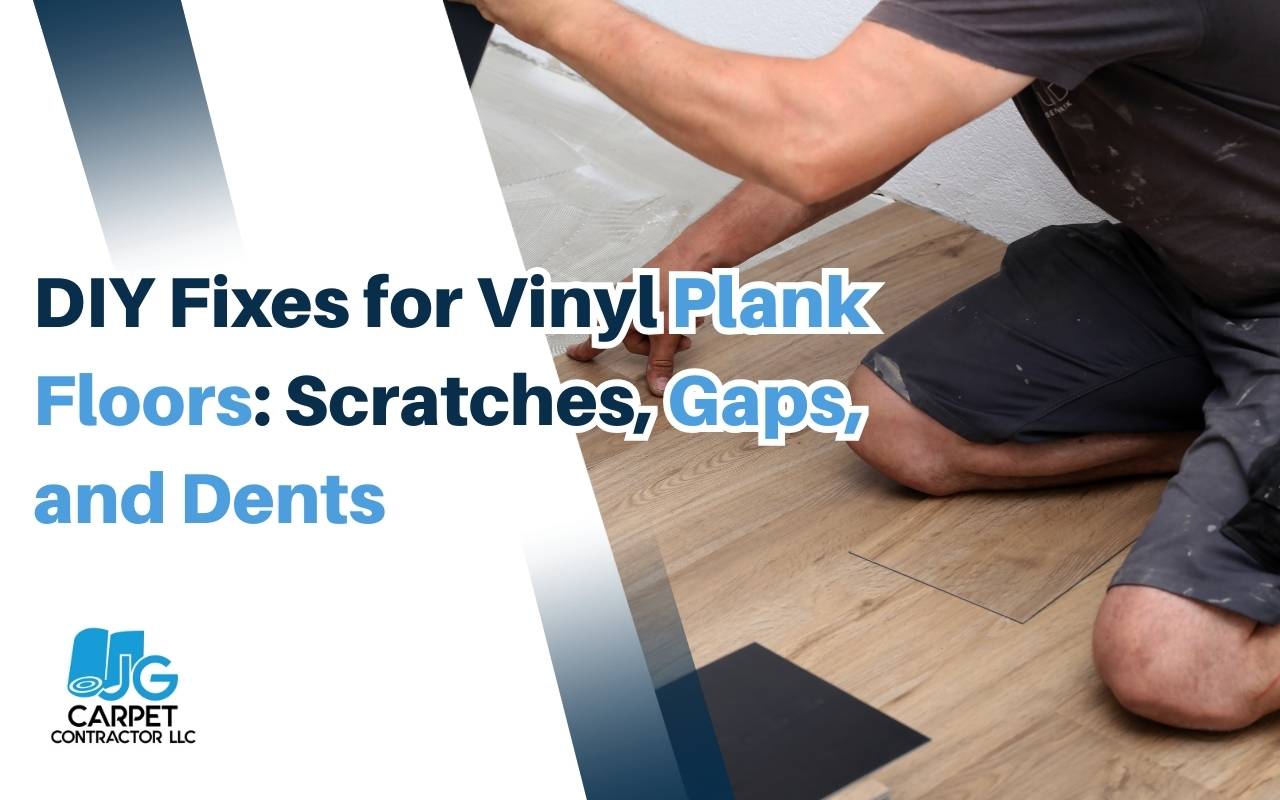
Repairing Minor Scratches on Vinyl Plank Floors
Scratches often occur from furniture, shoes, or pets. Fortunately, they are simple to manage. To begin, clean the area using warm water and mild detergent, then allow it to dry completely. After that, use a repair pen, wax stick, or touch-up kit that matches your plank. Before applying, test the product in a hidden spot. Once ready, apply the filler gently, smooth it with a plastic scraper, and finish by buffing the area. With patience, you can repair vinyl plank flooring so scratches virtually disappear.
Filling Gaps in Vinyl Plank Flooring
Gaps usually develop due to temperature changes or subfloor issues. As a result, they collect dust and disrupt your floor’s seamless appearance. First, check the size of the gap. Next, select caulk, seam sealer, or a special gap filler. When applying, use a putty knife and remove excess material before it dries. After curing, sand lightly if necessary to achieve a flush surface. A well-done repair blends perfectly, leaving no trace of the gaps.
Addressing Dents on Vinyl Plank Floors
Dents form from heavy furniture or pressure points. Fortunately, heat and moisture can reverse them. To start, place a damp cloth over the dent, then apply a warm iron on low heat. Move it in circles for 15 seconds. Check progress and repeat as needed until the dent rises back. This technique relaxes the vinyl and restores its shape, keeping the surface smooth and appealing.
Tools and Materials Needed for DIY Vinyl Plank Floor Fixes
- Microfiber cloths and mild detergent
- Vinyl repair pens and wax sticks
- Plastic scraper or putty knife
- Seam sealer, caulk, or gap filler
- Damp cloth and household iron
- Protective gloves and glasses
Having the right tools on hand ensures smoother work and fewer interruptions. With proper preparation, every repair project becomes more effective and efficient.
Step-by-Step Guide to Repairing Scratches
- Clean the scratched area with mild detergent and water.
- Select a vinyl repair kit that matches your floor color.
- Apply filler carefully and remove excess with a cloth.
- Use a scraper to smooth the surface evenly.
- Allow the repaired area to dry fully before walking on it.
Step by Step Guide to Filling Gaps
- Vacuum or sweep gaps thoroughly.
- Measure the width and assess the cause.
- Apply vinyl floor gap filler carefully.
- Press planks snugly together and wipe off excess.
- Let the filler dry completely before use.
Step-by-Step Guide to Fixing Dents
- Inspect the dent to determine its depth.
- Warm the area with a hairdryer or heat gun.
- Place a cloth over it and press with a heavy object.
- Allow the area to cool for better setting.
- Check results and sand lightly if necessary.
Tips for Maintaining the Elegance of Vinyl Plank Floors
Maintenance is essential for long-lasting floors. To begin with, sweep or vacuum often, and place doormats to trap dirt. Whenever spills occur, clean them immediately to avoid adhesive damage. For deep cleaning, use approved vinyl cleaners with warm water. Never apply harsh chemicals. Additionally, place felt pads under furniture and rugs in high-traffic areas. Regular care reduces the need for frequent repairs.
Common Mistakes to Avoid When Repairing Vinyl Plank Flooring
To prevent issues, avoid rushing repairs, as this may lead to color mismatches or uneven patches. Always clean before applying fillers. Equally important, do not overheat planks since this can cause warping. Choose products that match your plank shade and test them first. By following instructions carefully and allowing full curing time, you’ll ensure durable, long-lasting results.
FAQs
How do I fix scratches on vinyl plank flooring?
Clean the area, apply a matching repair kit, smooth with a scraper, and let it dry fully.
Can I repair gaps in vinyl plank flooring myself?
Yes. Use seam sealer or gap filler, apply carefully, and press planks together for a snug fit.
What is the best way to fix dents in vinyl plank floors?
Apply heat with a damp cloth and iron to relax the vinyl. This often restores the plank’s shape.
Do I need professional help to repair vinyl plank flooring?
Not always. With the right tools and patience, most scratches, gaps, and dents can be fixed at home.
How can I prevent damage to vinyl plank flooring?
Use felt pads, area rugs, and regular cleaning routines. Immediate spill cleanup helps maintain durability and beauty.
Transforming Vinyl Plank Floor Imperfections into Flawless Beauty
Scratches, dents, and gaps should not ruin your home’s look. With the right techniques, you can confidently repair vinyl plank flooring and restore elegance. If you ever need expert assistance or want professional installation, explore our vinyl floor installation page. For direct support, reach out through our contact page. Take control of your floors today and enjoy long-lasting beauty.
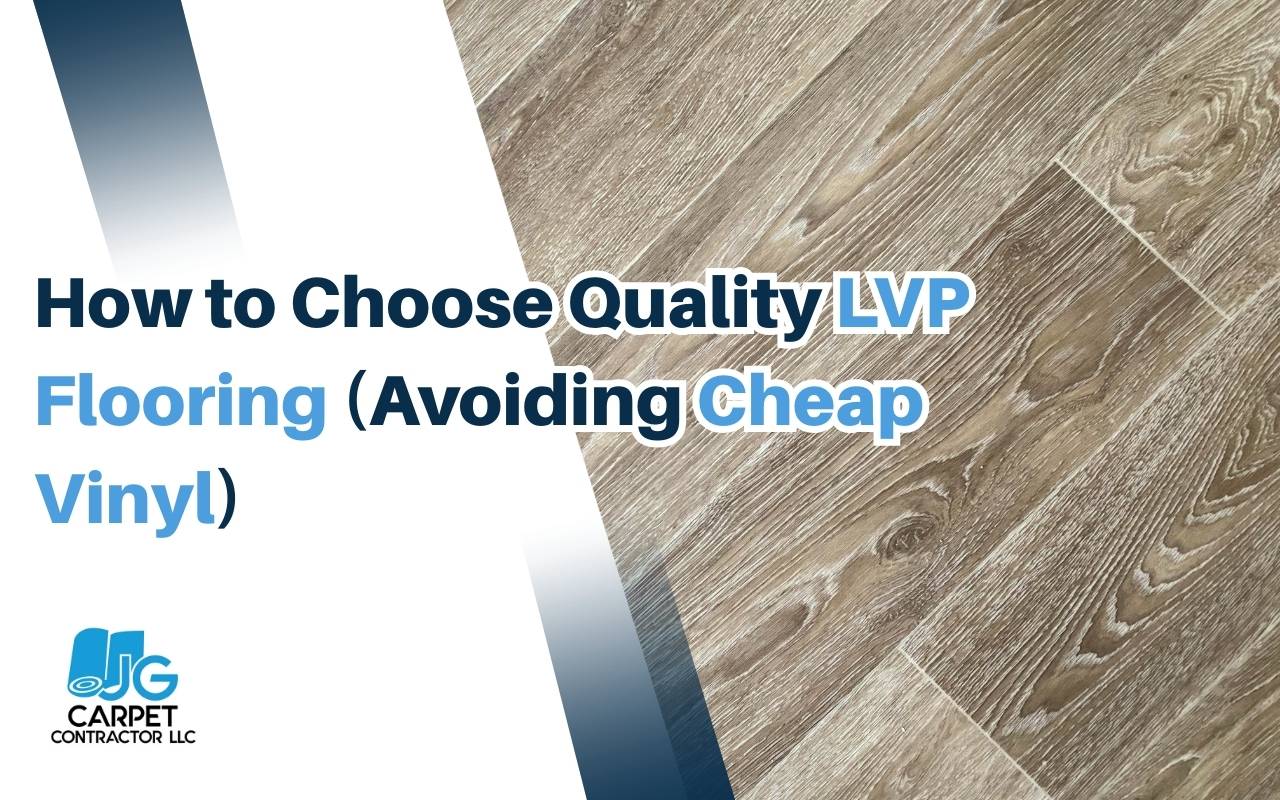
Walking into a flooring showroom can feel like entering a new world. Options with varied textures and colors are exciting yet overwhelming. For many homeowners, choosing vinyl plank flooring means balancing style with durability. Selecting the right product ensures a long-lasting investment. Cheap alternatives often disappoint, failing under everyday pressure. In Baltimore, where design trends evolve quickly, informed choices matter more. This guide will help you understand critical factors, from showroom tips to wear layer thickness, so you select vinyl plank flooring with confidence.
Understanding the Importance of Quality LVP Flooring
Luxury Vinyl Plank is more than a stylish surface. It represents a lasting investment in both design and durability. Advanced technology makes high-quality planks look authentic and stay resilient. In contrast, cheap vinyl products may warp or peel under stress. Baltimore’s climate highlights why durability matters. By identifying features like multi-layer construction and reliable locking systems, you avoid disappointment. Additionally, exploring Baltimore flooring showroom tips—such as checking manufacturer credentials—helps you make better decisions. When choosing vinyl plank flooring, focusing on these features ensures beauty and performance for years.
Factors to Consider When Choosing LVP Flooring
- Core construction: SPC for stability, WPC for comfort.
- Plank thickness: thicker boards add strength and underfoot comfort.
- Finish and embossing: critical for realistic appearance.
Other key aspects include water resistance, UV protection, and edge profiling. Always review subfloor compatibility before installation. When choosing vinyl plank flooring, balancing technical features with design preferences ensures long-term satisfaction.
Evaluating Durability and Longevity of LVP
Wear layer thickness determines durability. Thicker layers offer stronger protection against scratches and stains. For busy homes, 12 mil or higher is recommended. Core materials also matter: SPC adds rigidity, while WPC provides insulation. Always ask for durability tests when selecting flooring. This approach guarantees your investment will withstand heavy use and remain stylish for years.
Exploring Design Options and Aesthetic Appeal
LVP offers unmatched design versatility. Printing and embossing technologies replicate authentic wood or stone finishes. Plank widths affect how spacious a room feels, while color selection defines atmosphere. Examining samples in your own space under natural and artificial light is essential. This ensures your final choice aligns with décor and enhances resale value.
Comparing Installation Methods for LVP Flooring
- Click-lock systems: quick, floating installations ideal for DIY.
- Glue-down: offers stability and quiet performance.
- Loose-lay: suitable for temporary or low-traffic areas.
Each method has advantages. Proper installation prevents shifting or squeaks. Consult experts if unsure, as their guidance can save time and avoid errors.
Budget Considerations: Balancing Cost and Quality
Lowest-cost vinyl planks often lack durability. Spending slightly more upfront ensures longevity and reduced replacement expenses. Compare brands carefully. Look for consistent finishes and warranty coverage. In Baltimore showrooms, negotiate packages or seek seasonal deals. With smart planning, you invest in flooring that balances performance and budget effectively.
Maintenance Tips for Extending the Lifespan of LVP
Simple maintenance extends the life of your floors. Sweep often, mop with approved cleaners, and clean spills quickly. Protect surfaces with rugs and furniture pads. Trim pet nails and avoid rubber-backed mats. Following these steps keeps vinyl plank flooring looking new for years.
Researching Top Vinyl Plank Brands in Baltimore
Explore local showrooms and request plank samples to test at home. Read reviews to understand customer satisfaction. Attending expos and consulting technical sheets ensures you choose wisely. Top vinyl plank brands offer durability, wide design choices, and strong warranties.
Seeking Professional Advice: Consulting with Flooring Experts
Flooring consultants assess subfloors, recommend underlayments, and advise on moisture control. Their knowledge ensures smoother installations and fewer mistakes. Experts also access premium collections and offer accurate cost estimates. By working with professionals, you make the process stress-free and reliable.
FAQs
How long does vinyl plank flooring last?
With proper installation and care, quality planks can last 20 years or more in residential settings.
Is vinyl plank flooring waterproof?
Most products are water-resistant, and SPC options offer excellent waterproofing suitable for kitchens and basements.
Can I install vinyl plank flooring myself?
Yes, especially with click-lock systems. However, professional installation ensures the best long-term results.
How do I maintain vinyl plank floors?
Regular sweeping, damp mopping with approved cleaners, and using protective pads keep floors in great condition.
Does vinyl plank flooring add home value?
Yes. Durable, stylish flooring enhances both comfort and resale value, especially when sourced from top brands.
Making an Informed Decision for Quality LVP Flooring
Choosing wisely means focusing on durability, wear layer, and design. Showroom visits and expert advice add clarity. Ultimately, when choosing vinyl plank flooring, investing in quality ensures beauty, comfort, and long-lasting value for your home.
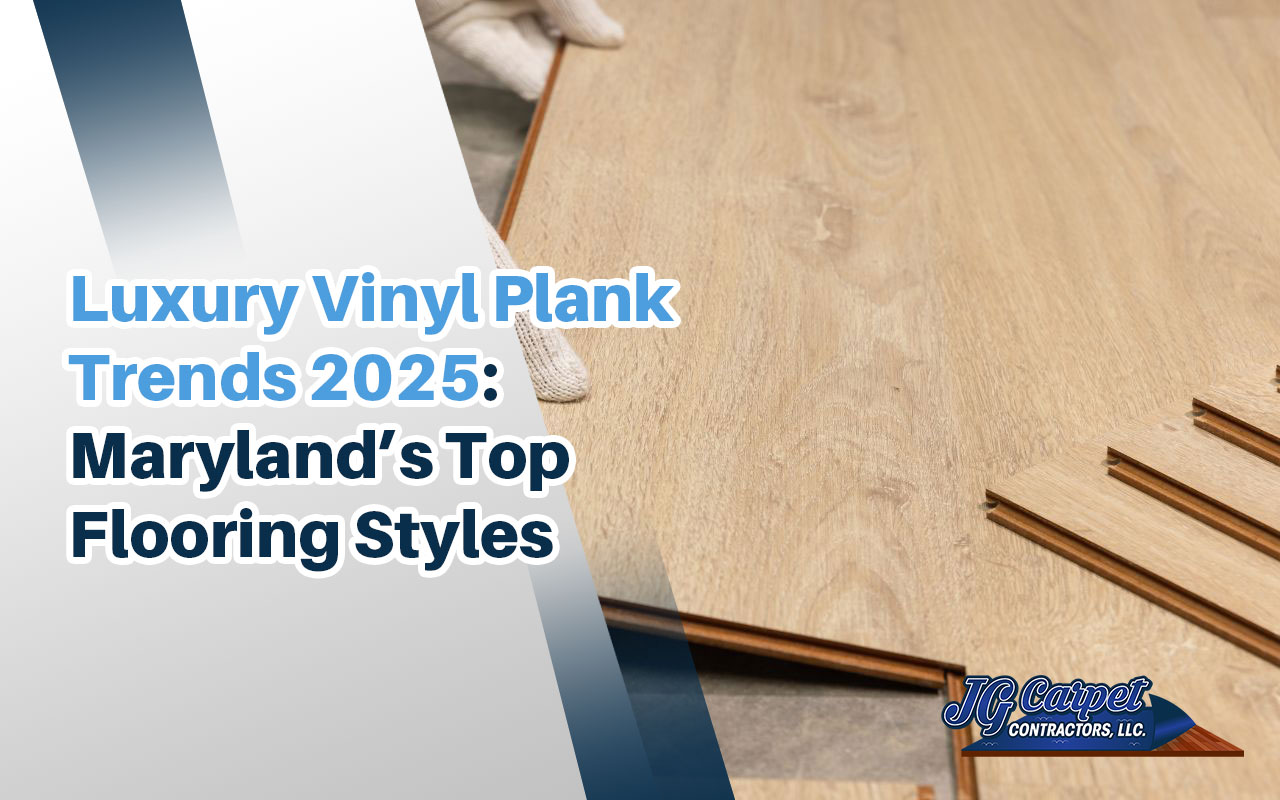
Luxury vinyl plank (LVP) flooring continues to be a favorite in both residential and commercial spaces. As we look ahead to 2025, new styles, textures, and performance features are redefining what’s possible with vinyl floors.
Whether upgrading a home in Towson, MD or searching for commercial vinyl plank flooring in Baltimore, this guide to luxury vinyl plank trends 2025 will help you choose a floor that delivers both form and function.
Why Luxury Vinyl Plank Remains a Top Choice
LVP stands out for its affordability, durability, and appearance. It mimics natural wood and stone while offering easy maintenance and moisture resistance—making it ideal for homes and businesses alike.
Key features include:
- Waterproof performance
- Pet and kid-friendly surfaces
- Fast, affordable installation
- Long-lasting, commercial-grade durability
- A wide range of textures and tones
Explore our full selection of residential LVP flooring or commercial LVP styles.
2025’s Most Popular LVP Flooring Styles
1. Wide Plank LVP
Wider planks dominate both residential and commercial interiors. These boards create a more open feel and make small spaces look bigger.
2. Textured Vinyl Planks
Embossed and hand-scraped finishes are trending. They add realism and traction—perfect for high-traffic vinyl plank use in retail or office environments.
3. Light and Natural Wood Tones
From white oak to weathered gray, lighter shades are replacing darker browns. These tones create a clean, calming effect ideal for Towson homes and commercial spaces alike.
Waterproof LVP Floors for Every Room
Moisture resistance is still one of LVP’s strongest selling points. It’s an excellent fit for:
- Kitchens and bathrooms
- Basements
- Entryways and mudrooms
- Commercial break rooms or lobbies
Whether you’re in Essex, Baltimore, or Dundalk, waterproof LVP floors offer long-term peace of mind.
Looking for even more protection? Explore sheet vinyl flooring options for seamless moisture coverage.
LVP for High-Traffic Commercial Spaces
Business owners love LVP for its resilience. It handles wear and tear without sacrificing style, making it perfect for:
- Offices
- Medical and dental clinics
- Retail stores
- Hospitality spaces
Need help with Towson LVP installation? Our team is ready to help with product recommendations, design, and expert installation.
For an alternative, explore commercial LVT options for elegant finishes with the same durability.
Baltimore Vinyl Flooring Trends to Watch
In the Baltimore metro area, customers are gravitating toward:
- Rustic wood looks for farmhouse charm
- Stone visuals for upscale office environments
- Multitone patterns that mask dirt and extend a clean appearance
These designs are especially popular in high-traffic zones and modern homes.
Frequently Asked Questions
Is luxury vinyl plank good for Maryland’s climate?
A: Yes. It handles seasonal changes in humidity and temperature, making it a great option year-round.
What makes LVP different from laminate?
A: LVP is waterproof and more flexible, while laminate is more rigid and susceptible to water damage.
Can I use LVP in commercial buildings?
A: Absolutely. LVP is ideal for commercial flooring thanks to its durability and ease of maintenance.
Choose Trend-Forward Vinyl Plank with JG Carpet Contractors LLC
Regarding luxury vinyl plank trends 2025, the future of flooring is waterproof, wide, and beautifully textured. Whether you’re designing a high-end office in Baltimore or remodeling a home in Essex, our LVP styles combine beauty with performance.
Explore our LVP collections or contact us to schedule your free flooring consultation.
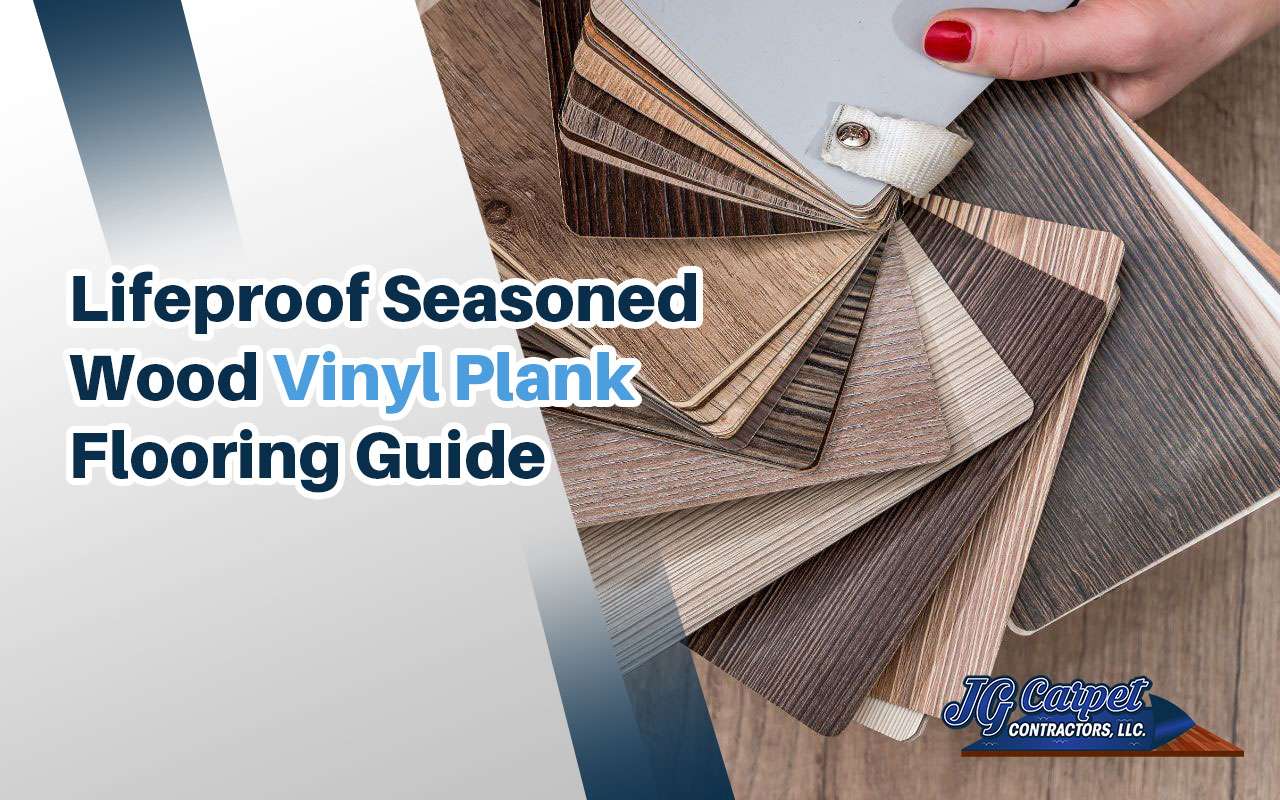
If you want floors that are both stylish and durable, Lifeproof seasoned wood vinyl plank flooring is an excellent choice. Its rustic charm and waterproof features make it ideal for any room in your home.
Why Choose Lifeproof Vinyl Plank Flooring Seasoned Wood?
Beautiful Rustic Look with Modern Benefits
Lifeproof vinyl plank flooring seasoned wood brings the look of aged wood without the upkeep. The seasoned wood finish adds warmth and character, making it perfect for both modern and traditional spaces.
Lifeproof Luxury Vinyl Plank Flooring Seasoned Wood Color
This Lifeproof luxury vinyl plank flooring seasoned wood color offers a soft, neutral tone that complements many design styles. Plus, it’s waterproof and scratch-resistant, which means it’s built to last.
Where to Buy Lifeproof Seasoned Wood Vinyl Plank Flooring
Home Depot Lifeproof Vinyl Plank Flooring Seasoned Wood
You can find Home Depot Lifeproof vinyl plank flooring seasoned wood at your local store or online. However, for commercial and custom options, explore our luxury vinyl plank selection for more choices and expert advice.
Installation Made Simple
Lifeproof flooring is designed for easy installation with a click-lock system. It’s perfect for DIY projects or can be professionally installed for the best results. Either way, you’ll enjoy a seamless and durable finish.
Frequently Asked Questions
Is Lifeproof seasoned wood vinyl plank flooring waterproof? Yes, it’s 100% waterproof and ideal for kitchens, bathrooms, and basements.
Can I install Lifeproof vinyl over tile? Yes, as long as the surface is flat and secure.
How long does it last? Lifeproof vinyl floors can last 15-20 years with proper care.
Upgrade Your Floors with Lifeproof Seasoned Wood
Lifeproof seasoned wood vinyl plank flooring adds style and durability to your space. Ready to enhance your home? Contact JG Carpet Contractors LLC at (443) 652-2972 for expert advice and installation services tailored to your needs.
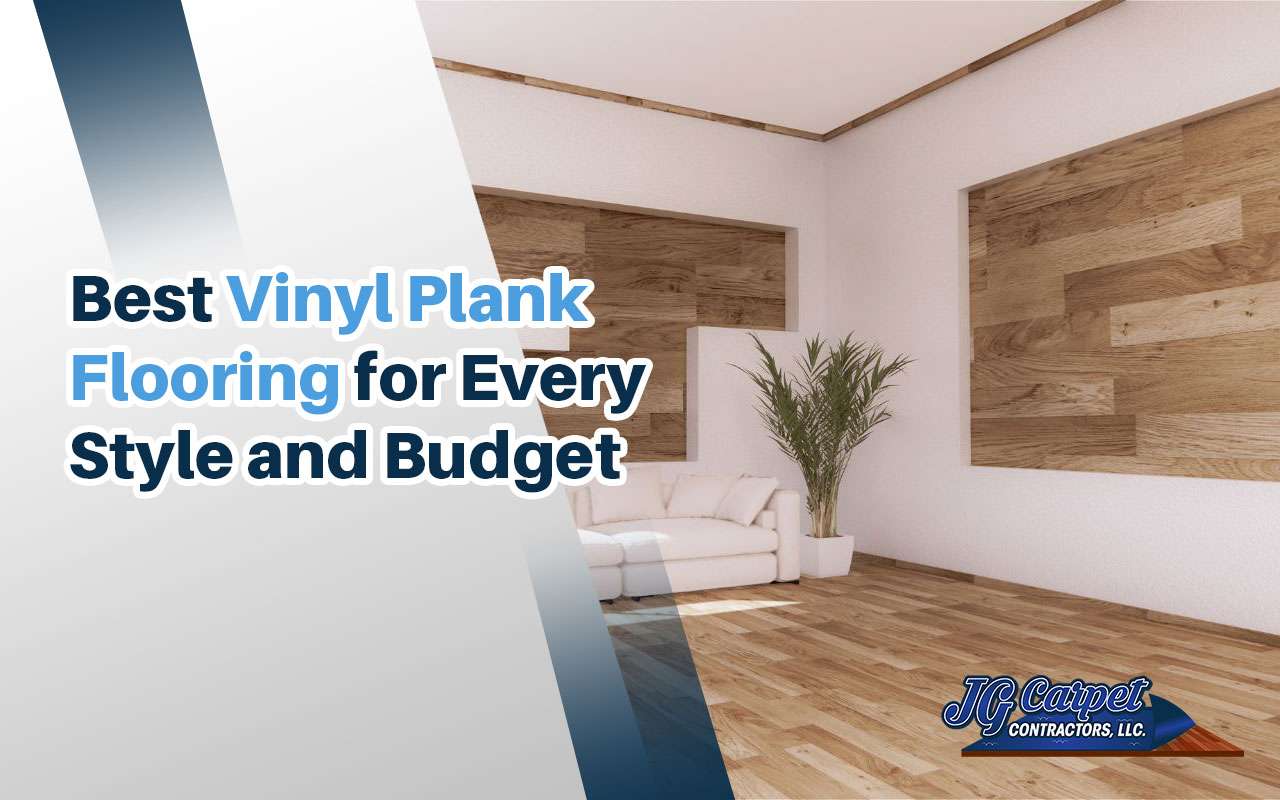
Are you searching for the best vinyl plank flooring for your home? Vinyl plank flooring is known for its durability, style, and easy maintenance. Let’s explore the top options and how to choose the perfect one for your space.
What Makes the Best Vinyl Plank Flooring?
Top Features to Look For
When selecting the best vinyl plank flooring, consider features like water resistance, thickness, wear layer, and design. The best rated vinyl plank flooring combines all these elements for a superior finish and long-lasting performance.
Best Luxury Vinyl Plank Flooring Options
Luxury vinyl plank flooring offers high-end looks at a fraction of the cost of hardwood. The best luxury vinyl plank flooring comes with realistic textures, advanced waterproofing, and enhanced durability. Explore our luxury vinyl plank options to find your ideal style.
Maintaining Your Vinyl Floors with the Right Tools
Which Swiffer is Best for Vinyl Plank Floors?
Keeping your floors clean is essential. But which Swiffer is best for vinyl plank floors? The Swiffer WetJet with a gentle cleaning solution is perfect for daily maintenance, leaving your floors spotless without damage. Always avoid overly wet mops to protect your flooring.
Tips for Long-Lasting Vinyl Floors
- Clean spills promptly
- Use felt pads under furniture
- Sweep or vacuum regularly
- Use a vinyl floor-approved cleaner
Frequently Asked Questions
What is the best thickness for vinyl plank flooring? A 5mm or thicker plank offers better durability and comfort.
Is luxury vinyl plank better than laminate? Yes, luxury vinyl plank is more water-resistant and often more durable.
Can I use steam mops on vinyl plank floors? No, steam can damage the planks. Use a damp mop instead.
Find the Best Vinyl Plank Flooring Today
Choosing the best vinyl plank flooring enhances your home’s style and comfort. Let JG Carpet Contractors LLC help you select and install the perfect floor. Contact us at (443) 652-2972 to start your flooring project with trusted professionals.
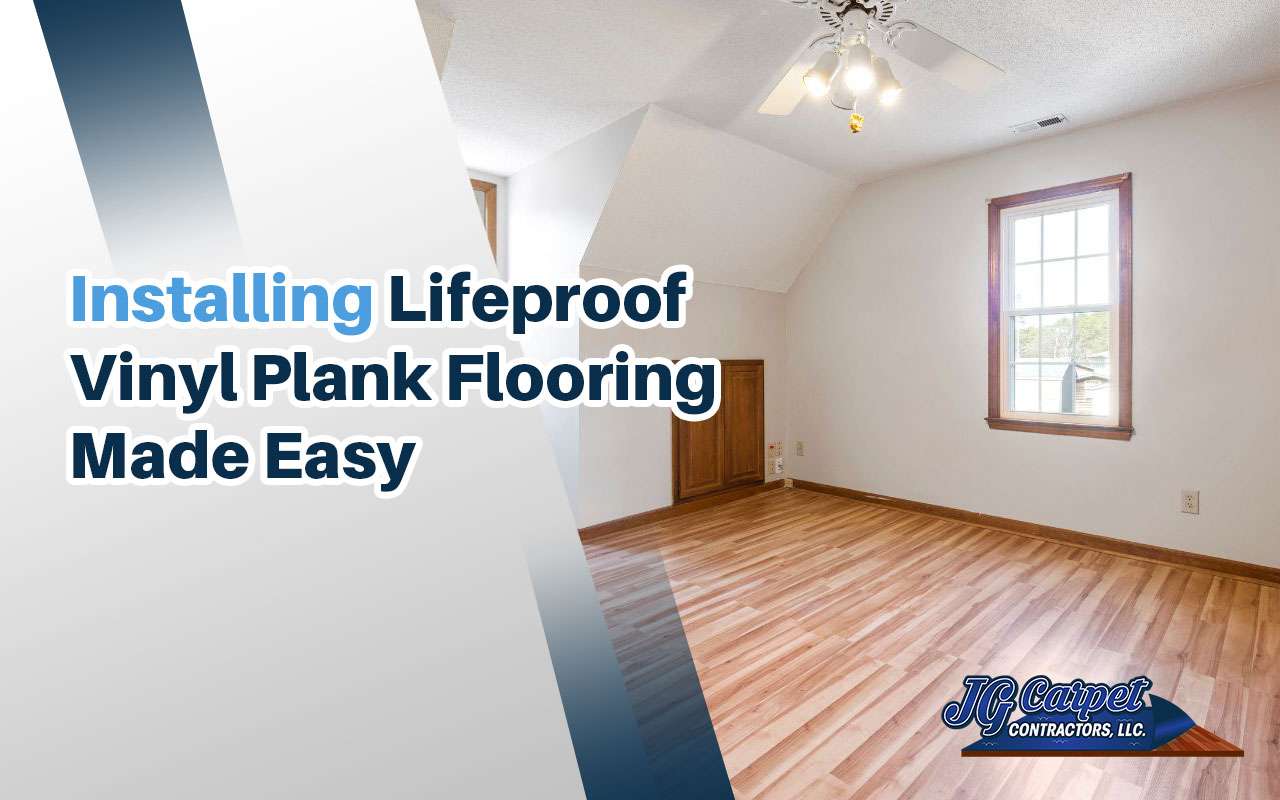
Thinking about installing Lifeproof vinyl plank flooring in your home? It’s a smart and stylish choice. These floors are known for being durable, waterproof, and easy to maintain. Let’s explore how to install them for a perfect finish.
Why Choose Lifeproof Vinyl Plank Flooring?
Benefits of Lifeproof Vinyl Floors
Lifeproof vinyl plank flooring is designed for busy homes. It’s waterproof, scratch-resistant, and easy to clean. Ideal for families and pet owners, it offers comfort and beauty without the hassle.
Lifeproof Vinyl Plank Flooring Installation Overview
One of the best features of this flooring is its easy installation. Whether you’re a DIY enthusiast or hiring a pro, lifeproof vinyl plank flooring installation is straightforward and quick.
Step-by-Step: How to Install Lifeproof Vinyl Plank Flooring
Preparation is Key
Before starting, ensure your subfloor is clean, dry, and level. This will help your planks fit perfectly and last longer.
Lifeproof Vinyl Plank Flooring Installation Instructions
- Measure the room and plan your layout.
- Start in a corner, placing spacers along the walls.
- Click and lock the planks together as you move across the room.
- Trim the last plank of each row to fit, and use the cut piece to start the next row.
- Remove spacers and install baseboards to finish the look.
For a more detailed guide, refer to our expert flooring options and support resources.
Post-Installation Care
Once installed, it’s important to keep your floors clean. Check out our vinyl floor cleaning tips to maintain their beauty.
Frequently Asked Questions
Do I need glue for Lifeproof vinyl plank flooring? No, it features a click-lock system that doesn’t require adhesive.
Can I install Lifeproof vinyl over existing flooring? Yes, if the surface is flat and in good condition.
How long does installation take? A typical room can be completed in one day.
Let’s Help You Install Your Lifeproof Vinyl Floors
Installing Lifeproof vinyl plank flooring adds value and comfort to your home. Ready to transform your space? Contact JG Carpet Contractors LLC today at (443) 652-2972 for expert installation services you can trust.