

Choosing flooring can feel like picking the right outfit. You want style, comfort, and a good fit for the space. Pros and Cons of Luxury Vinyl Tile matter most in busy areas like kitchens, where daily life can be tough on floors.
Luxury Vinyl Tile (LVT) is a multi-layer vinyl floor that can look like stone or wood. It uses a strong wear layer, a printed design layer, and a stable base layer. Because of this build, it can look realistic while handling everyday use.
Durability and resilience in daily life
When people compare the Pros and Cons of Luxury Vinyl Tile, durability is often the first topic. LVT handles foot traffic, pet claws, and dropped items better than many floors. Also, the wear layer helps protect against scratches, stains, and scuffs.
In many brands, Updated LVT durability 2026 includes stronger coatings and tougher wear layers. For example, some lines use enhanced urethane finishes or added particles for extra strength. Even so, good care still helps the floor last longer.
- Handles high traffic in busy rooms
- Resists many everyday scratches and scuffs
- Stays stable through normal temperature changes
- Often keeps its look for years with basic care
Stylish design options for modern homes
LVT offers many looks, which is a big reason it stays popular. It can copy wood, stone, and ceramic visuals with high-detail printing. In addition, many tiles include edges and textures that make the surface feel more natural.
If you want Flooring for kitchens that looks high-end without the same upkeep, LVT can help. You can also mix sizes and patterns to create a custom layout. As a result, it fits both classic and modern styles.
- Wood-look styles with realistic grain detail
- Stone-look tiles with grout-line visuals
- Modern patterns like hex shapes and large formats
- Textured finishes for a more natural feel
Easy installation process
Many homeowners like LVT because it can be easier to install than traditional tile. Many products use click-lock edges, so pieces snap together without messy glue. Because it is a floating floor, it can expand and shrink with normal changes in temperature.
Still, prep matters. A smooth subfloor helps the tiles sit flat and look clean. For larger spaces or detailed patterns, working with a pro can also reduce waste and improve the final finish.
Low maintenance requirements
For daily cleaning, LVT is simple. Sweeping or vacuuming removes grit, and a damp mop handles most spills. Also, it does not need sealing, waxing, or special treatments like some natural surfaces.
This is why many people choose it for busy homes. It can also feel cleaner than carpet because it does not trap dust and pet hair in the same way. However, using gentle cleaners helps protect the wear layer.
Comfort and softness underfoot
LVT has a softer feel than stone or ceramic. Because it has layers, it can feel slightly cushioned when you stand on it. Therefore, it can reduce fatigue during cooking or long prep sessions.
It can also feel less cold in cooler months. In some setups, it works with radiant heat as well. Plus, it may help soften sound in open layouts, which can make the room feel calmer.
Water resistance and moisture tolerance
For Flooring for kitchens, water performance is a key factor. LVT is water-resistant and can handle splashes better than hardwood. In addition, some products are built to be fully waterproof.
Even so, it is smart to wipe standing water quickly. That habit helps protect seams and keeps the floor looking its best over time.
- Handles spills and humidity better than hardwood
- Works well in kitchens, baths, and basements
- Many click systems create tight seams
- Quick cleanup helps prevent long-term seam issues
LVT vs LVP: what’s the real difference?
LVT vs LVP is mostly about shape and the look you want. LVP is made to look like long wood planks. LVT comes in tile shapes, such as squares or rectangles, which can suit stone or ceramic styles better.
Both options often share similar benefits, such as easy cleaning and strong wear layers. So, the best choice depends on your design goal and how you want the room to feel.
Environmental impact and sustainability considerations
LVT is a synthetic material, so it comes with tradeoffs. However, many brands now add recycled content in the core or backing. Also, some products aim for lower chemical emissions to support better indoor air quality.
To make a smarter pick, look for third-party certifications that focus on low VOCs. In some cases, brands also offer take-back programs. As a result, you can balance performance with a more thoughtful choice.
Potential drawbacks to consider
To weigh the Pros and Cons of Luxury Vinyl Tile fairly, you need to look at the downsides too. Heavy furniture can leave dents, especially with sharp legs or wheels. Also, smooth surfaces can feel slippery when wet.
Some glued installations are harder to remove later. In addition, sharp objects can puncture vinyl, and lower-quality products may fade in strong sunlight. Therefore, picking a better wear layer and using window coverings can help.
Key advantages of LVT
Although LVT has limits, it still offers strong day-to-day value. It can deliver a realistic look, simple care, and good moisture resistance. Because of that mix, it is often a practical choice for busy homes.
- Realistic appearance with modern printing
- Easy to clean with simple routine care
- Water-resistant performance for active rooms
- Fast installation for many floor plans
- Wide range of styles and textures
Frequently Asked Questions
Is Luxury Vinyl Tile good for kitchens?
Yes. It is water-resistant, easy to clean, and comfortable to stand on. That is why Flooring for kitchens is a common use for LVT.
What is the biggest difference in LVT vs LVP?
The main difference is shape and style. LVT looks like tile or stone patterns, while LVP looks like long wood planks.
What does Updated LVT durability 2026 usually mean?
It often refers to stronger wear layers and improved top coatings. Some lines use tougher finishes to reduce scuffs and stains.
Can LVT dent from heavy furniture?
Yes, it can. Use felt pads and wide furniture feet to spread weight. This helps protect the surface over time.
Do I need a professional installer for LVT?
Not always. Many click-lock floors are DIY-friendly. However, pros can help with subfloor prep and complex patterns.
Is Luxury Vinyl Tile the right choice for your home?
The Pros and Cons of Luxury Vinyl Tile come down to your space and your priorities. LVT offers strong durability, flexible designs, and easy care. It also performs well in high-use areas with moisture, like kitchens.
At the same time, dents, slipperiness when wet, and sunlight fading can be concerns. If you want expert guidance for your project, explore the benefits of LVT flooring for MD homes. Then, for planning and next steps, review vinyl floor installation in Maryland and reach out through the contact page.

2026 Carpet Trends invite you into the future of interior design. Your floors can feel like a fresh canvas for style. Moreover, many homeowners want carpets that look stunning. They also want them to be practical and eco-friendly. As a result, new colors, patterns, and textures are shaping what comes next.
In addition, you will see bold statements and soft details in one place. 2026 Carpet Trends are not about boring basics. Instead, they offer options that blend beauty with daily comfort. Therefore, your home can feel personal, modern, and easy to live in.
How Carpet Design Keeps Changing
Carpet style trends have moved from simple loops to rich cut-and-loop looks. Over time, designers mixed comfort with visual flair. Meanwhile, classic Persian-inspired motifs once led the way. Now, clean lines and modern shapes often take the spotlight. This shift matches today’s love for calm, uncluttered rooms.
Technology also drives the change. Digital printing can create photo-like images on fibers. In addition, new dye methods keep colors bright for longer. As a result, carpets can feel like custom art. They still stay cozy underfoot, which keeps them a key design choice.
Color Psychology and Modern Carpet Choices
Color affects mood and how a room feels. For 2026 Carpet Trends, many designers lean into calm blues and earthy greens. Muted terracotta also adds warmth. Trendy carpet colors 2026 can make spaces feel bigger or more cozy. Therefore, choosing the right shade can change the whole vibe.
- Soft neutrals, like dove gray and ivory, keep rooms light.
- Jewel tones, like emerald and sapphire, add bold personality.
- Darker shades can ground a space, while lighter tones feel airy.
Even so, personal taste still matters. A bold carpet can boost energy in a workspace. Meanwhile, softer tones fit bedrooms and lounges. As a result, color choices should match the room’s purpose and your lifestyle.
Sustainable Materials Are Shaping the Market
Many buyers now want sustainable carpet materials that support healthier homes. Therefore, brands use recycled fibers, plant-based yarns, and low-VOC backings. Wool, jute, and sisal still offer natural appeal. Meanwhile, recycled nylon and polyester now compete on durability and comfort.
- Recycled nylon can come from reclaimed fishing nets.
- Recycled polyester can come from used plastic bottles.
- Green certifications can help you spot responsible options.
It also helps to think about a carpet’s full life cycle. From sourcing to recycling, each step can reduce waste. As a result, you can choose flooring that matches your values without losing style.
New Patterns Turn Floors Into Focal Points
Production is more flexible now, so patterns are getting bolder. Abstract shapes, painterly strokes, and clean geometrics are rising fast. In addition, carpets can act like functional art. As a result, a room can feel more intentional, even with simple furniture.
Designers also play with scale and placement. Large motifs can open up a space. Meanwhile, small repeats add quiet texture. Therefore, the right pattern can guide the eye and define a room’s character.
Texture Trends Add Depth and Comfort
Texture brings life to flat surfaces. Plush high-pile carpets feel soft and cozy. Low-loop styles look sleek and modern. In addition, multi-level piles and sculpted surfaces are growing in demand. As a result, carpets can look richer and feel more inviting.
Shag is also returning with shorter, denser fibers. Meanwhile, loop-and-cut designs catch the light in gentle ways. Thicker carpets can absorb sound, too. Therefore, texture choices can improve both style and everyday comfort.
Balancing Style and Daily Use
A great look matters, but performance matters too. High-traffic areas need stain resistance and easy cleaning. Meanwhile, guest rooms can handle softer textures and delicate designs. As a result, the “best” carpet often depends on where it will go.
Pick fibers with purpose
Nylon is known for resilience and color hold. Wool feels soft and can resist flames naturally. Blends can offer a smart middle ground. Therefore, fiber choice should match your home’s needs and your preferred feel.
Plan for real-life maintenance
Busy homes benefit from soil protection and simple spot care. Quieter rooms can focus more on plush comfort. In addition, matching Carpet style trends with function helps carpets stay beautiful for longer.
Customization Makes Carpets Feel Personal
Made-to-order carpets are growing in popularity. Many brands let you adjust colors, patterns, and pile height. As a result, your flooring can reflect your personality. You can even add custom borders or small details that make the design feel unique.
Designers often share digital previews, which reduces guesswork. Therefore, you can feel more confident before ordering. This shift supports personal expression while still keeping rooms cohesive and easy to style.
Installation and Care Tips for Modern Carpets
Good installation supports long-term results. A professional fit keeps seams flat and edges secure. In addition, the right padding boosts comfort and can extend carpet life. 2026 Carpet Trends may look modern, but proper setup still matters for daily performance.
- Measure carefully and choose padding that matches carpet density.
- Vacuum often so dirt does not settle deep into fibers.
- Blot spills fast instead of rubbing, so stains do not spread.
- Rotate rugs to balance wear in high-traffic areas.
- Schedule deep cleaning when stains or buildup persist.
If you want a clean, precise finish, explore carpet installation in Baltimore, MD to see how professional work supports lasting results.
How These Trends Will Shape Home Design
Floors are becoming stronger design features, not quiet backdrops. 2026 Carpet Trends bring together bold patterns, rich texture, and eco-aware choices. In addition, carpets can help shape lighting and space. Light fibers can brighten corners. Darker piles can create cozy zones. As a result, rooms feel more complete.
Carpets also connect with furniture, wall finishes, and modern home features. Therefore, they help tie colors and shapes together. If you want to compare styles in person, visit our carpet store in Maryland to explore looks that fit your space.
Frequently Asked Questions
What carpet colors feel most modern right now?
Calming blues, earthy greens, and muted terracotta feel current. In addition, soft neutrals stay popular. Jewel tones can add drama without taking over the room.
How do I choose a carpet pattern for a small room?
Large motifs can make a space feel more open. However, small repeats add subtle texture. Therefore, pick a pattern that supports your room’s shape and furniture layout.
Are eco-friendly carpets still durable?
Yes, many are. Recycled nylon and polyester can hold up well. In addition, natural fibers like wool can last a long time with proper care.
What texture works best for busy homes?
Low-loop and dense piles often handle traffic well. They also hide marks better. As a result, they can stay neat with simple vacuuming routines.
When should I hire a professional for carpet work?
If you want clean seams, secure edges, and the right padding, professional help is smart. For guidance on the best fit for your rooms, connect with JG Carpet Contractors LLC and discuss your goals.
Conclusion
The future of carpeting blends comfort with creativity. Color, pattern, texture, and sustainability now work together. Moreover, customization lets your floors feel truly personal. By choosing the right materials and care plan, you can create rooms that look great and work well every day.
Winter Carpet Maintenance helps Essex, MD homeowners protect their floors from snow, ice, and constant slush. Harsh weather brings moisture, dirt, and road salt inside, quickly making fibers look dull and tired.
Salt stains on carpet can appear faster than you can clean them, leaving your home less inviting. However, with smart carpet cleaning in winter and the right tools, you can keep rooms cozy, clean, and welcoming.
This guide shares Maryland cold weather carpet tips that help you handle snow, salt, and everyday messes with confidence. Moreover, you will learn how to use mats, rugs, and quick cleaning methods to protect carpet fibers all season.
Choosing the Right Entryway Mats
Place sturdy entryway mats outside and inside each door to catch snow, mud, and salt before it touches your carpet. In Essex, MD, icy sidewalks and road salt mean shoes carry plenty of moisture and grit. Therefore, a two-mat system greatly reduces winter mess.
Choose mats made from rubber, heavy-duty coir, or other rough fibers that gently scrape debris from shoes. Additionally, look for non-slip backings and fast-drying surfaces so puddles do not form around the doorway. You can explore styles and sizes at a trusted carpet store in Maryland to match both function and décor. Using quality mats is a key part of Winter Carpet Maintenance and aligns with practical Maryland cold weather carpet tips.
- Place an outdoor scraper mat to remove heavy snow and salt from shoes.
- Add an indoor absorbent rug to capture leftover moisture near the doorway.
- Wash or hose mats weekly to prevent new salt stains on carpet.
Removing Salt Stains Effectively
Act quickly when salt stains on carpet appear so they do not harden into the fibers. First, vacuum the area to pick up loose crystals, then gently lift stubborn bits with a spoon or soft brush. Next, blot with a clean, damp cloth without rubbing, because rubbing can spread the salt deeper.
Mix two cups of warm water, one tablespoon of white vinegar, and one teaspoon of mild dish soap. Then, test this blend on a hidden patch of carpet to make sure the color stays even. Lightly sponge the stain from the outside inward, rinse with a damp cloth, and finally blot dry with a towel. These simple steps support Winter Carpet Maintenance without harsh chemicals and keep carpet fibers soft instead of stiff.
Vacuuming Techniques for Winter Carpet Maintenance
Keep carpets fresh by vacuuming more often during cold months, especially near doors and in busy walkways. Daily vacuuming in entry areas removes fine grit, snow residue, and road salt that can slowly wear down fibers. Meanwhile, once-a-week cleaning works well for rooms that see less traffic.
Select a vacuum with adjustable height so you can match the setting to each carpet pile. Lower settings reach deeper on thick carpets, while higher settings glide easily over thinner surfaces. Also, empty the canister or change the bag before it is half full and clean filters as the maker recommends. These Maryland cold weather carpet tips keep your vacuum strong enough to capture tiny salt pieces all winter.
- Make two slow passes over each row of carpet for deeper cleaning.
- Move furniture sometimes so you can reach hidden dust and grit.
- Use crevice and brush tools to clean stairs, edges, and tight corners.
Utilizing Area Rugs for Protection
Place area rugs in hallways, living rooms, and in front of couches to protect the carpet underneath from heavy wear. Rugs act as helpful sacrifice layers, catching dirt and moisture before they can settle deep into your main flooring.
Choose low-pile, washable rugs that handle frequent traffic and are simple to clean in a home washer. Furthermore, rotate rugs each week so one side does not wear out faster, and shake smaller mats outside between washes.
Spot Cleaning Tips for Common Winter Stains
Quickly handle spills so stains do not set and become harder to remove. Blot extra liquid from coffee, hot chocolate, or melted ice cream with a clean cloth instead of scrubbing. For muddy footprints, allow the mud to dry fully, then gently vacuum or brush it away in small layers.
For oily stains, sprinkle baking soda over the spot to absorb grease, wait ten minutes, and then vacuum the powder. Next, treat with a mild water and detergent mix, rinse lightly, and blot dry. These quick habits reduce the need for heavy carpet cleaning in winter and keep rooms smelling fresh.
Professional Carpet Cleaning Considerations
Even with careful home care, a yearly professional deep cleaning extends the life of your carpet. Many companies use hot water extraction to flush out packed dirt, salt, and allergens from deep in the pile. In winter, schedules may be more flexible, so you can often find appointments that fit your routine.
Ask about drying times, safe products for kids and pets, and any warranty needs before confirming your service. If some rooms need new flooring, consider professional carpet installation in Baltimore, MD to replace worn areas. For questions about cleaning schedules or replacement options, you can easily contact JG Carpet Contractors in Maryland for local guidance.
Preventive Measures to Preserve Your Carpets
Simple daily habits make a big difference in how your carpet handles winter wear. Consider a no-shoes rule indoors so dirt and salt stay near the door instead of spreading through each room.
- Place a shoe rack and small brush by the main entry as a gentle reminder.
- Add felt pads under furniture legs to prevent deep dents and scratches.
- Trim pets’ nails regularly to avoid snags in the carpet pile.
Move heavy furniture every few months to change traffic paths and stop permanent lines from forming in the fibers. Also, keep a cleaning kit near the entryway with cloths, a stain remover, and a handheld vacuum for fast fixes.
Understanding the Impact of Humidity on Winter Carpet Care
Cold winter air holds less moisture, which often makes indoor spaces feel very dry. This dryness can lead to static shocks and carpet fibers that feel stiff instead of soft under your feet.
Using a humidifier helps add gentle moisture back into the air, making both your skin and carpets more comfortable. However, too much humidity can cause musty smells or even mold in damp areas. Use a simple gauge to keep levels between thirty and fifty percent for healthy carpets and air.
DIY Carpet Refreshing Solutions
Between professional visits, you can refresh carpets with easy supplies already in your home. Sprinkle baking soda across the carpet, let it sit for thirty minutes, and then vacuum to lift trapped odors. If you like a light scent, add a few drops of essential oil, such as lavender, to the powder first.
For a gentle overall refresh, mix one part white vinegar with three parts water in a spray bottle. Lightly mist the carpet, brush with a soft broom, and open windows or use fans until everything dries. These low-cost, eco-friendly ideas make Winter Carpet Maintenance simple and budget-friendly between deeper cleanings.
Frequently Asked Questions
How often should I vacuum my carpets during winter?
During winter, vacuum entry areas every day if possible, because these spots collect most salt and grit. For bedrooms and low-traffic rooms, once or twice a week is usually enough. Consistent vacuuming prevents particles from grinding into fibers and keeps carpets looking newer for longer.
What is the safest way to treat salt stains on carpet?
Start by vacuuming loose crystals, then blot with a damp cloth instead of rubbing. Next, use a mild mix of warm water, white vinegar, and dish soap, testing on a hidden area first. Gently work from the stain’s edge inward, then rinse and blot dry.
Why are entryway mats so important in cold, snowy weather?
Entryway mats grab snow, salt, and dirt before they ever reach your carpet. An outdoor scraper mat removes heavy debris, while an indoor absorbent rug catches leftover moisture. Together they reduce stains, protect fibers, and lower how often deep cleaning is needed.
When should I schedule professional carpet cleaning in winter?
Plan a professional cleaning at least once each year, or sooner if carpets look dull or smell musty. Homes with kids, pets, or allergy concerns may benefit from two visits a year. Scheduling during colder months can also offer more flexible appointment times.
How can I protect carpet if I have kids and pets in winter?
Place washable rugs in play areas and near doors to catch spills and muddy prints from small feet and paws. Clean accidents right away using blotting and gentle cleaners, and keep pet nails trimmed to reduce snags. With steady habits, carpets can handle busy family life even during snowy months.
Maintaining Your Carpets’ Beauty Throughout Winter
Regular Winter Carpet Maintenance keeps your Essex, MD home feeling warm, clean, and inviting even on the coldest days. By using smart mats and rugs and vacuuming thoughtfully, your carpets can stand up to snow and salt. Tackling salt stains on carpet quickly and following simple seasonal tips keeps every room looking its best.
With a mix of home care, smart prevention, and expert help, your flooring will stay beautiful long after winter ends.
Selecting the right flooring transforms your home, but each room brings unique challenges. Kitchens require durability, bedrooms need comfort, and basements face moisture. This flooring guide by room helps you choose wisely. Imagine a busy kitchen with spills—choosing wrong means frustration. A bedroom should feel warm and inviting, while basements require moisture-resistant solutions.
Best Flooring Options for Kitchen
The kitchen demands flooring that balances beauty and durability. High traffic, spills, and constant use make durability essential. Popular kitchen flooring options include ceramic tile, porcelain tile, luxury vinyl plank, hardwood, and laminate. Each brings unique benefits. Tile resists water and scratches, vinyl mimics wood affordably, and hardwood offers timeless appeal.
- Porcelain and ceramic tile resist water and scratches.
- Luxury vinyl plank mimics wood and resists stains.
- Engineered hardwood balances beauty with stability.
- Laminate provides budget-friendly resilience.
Style also matters. Tile provides endless colors and textures. Vinyl and laminate now replicate wood or stone convincingly. Hardwood adds warmth with natural grains. By weighing durability and aesthetics, you can find the best fit for your kitchen. Learn more about carpet installation services that complement your home updates.
Durability and Easy Cleaning
A durable, easy-to-clean kitchen floor saves time. Floors must resist dents, scratches, and stains. Porcelain tile and LVP excel in these areas. Porcelain repels liquid, and LVP resists scuffs while cleaning easily. Large tiles minimize grout cleaning, and engineered hardwood adds beauty with proper care.
Types of Kitchen Flooring Materials
- Ceramic and porcelain tile resist water and stains.
- Luxury vinyl plank and tile offer waterproof designs.
- Laminate flooring provides durable and stylish choices.
- Engineered hardwood delivers wood beauty with stability.
Each material brings strengths. Tile lasts decades with minimal upkeep. Vinyl handles moisture while offering attractive visuals. Hardwood warms spaces yet needs care. Laminate balances affordability with durability.
Comfort and Coziness in the Bedroom
Bedrooms require warmth, softness, and acoustic comfort. Carpet and cork provide warmth, while wood adds timeless appeal. Flooring temperature matters, especially in colder climates. The best choice creates a cozy retreat for rest and relaxation. When wondering when to replace carpet, bedrooms often reveal the need first.
Bedroom Flooring Choices
Carpet is the most popular bedroom option, offering softness and sound absorption. Engineered hardwood adds natural warmth and durability. Luxury vinyl provides easy maintenance with realistic visuals. Cork is eco-friendly, resilient, and thermally insulating. Bamboo delivers sustainability with hardwood-like appeal.
- Carpet for warmth and comfort.
- Engineered hardwood for timeless style.
- Luxury vinyl plank for durability and design.
- Cork for eco-friendly softness.
Factors Affecting Bedroom Flooring Comfort
Underlayment greatly affects comfort. Foam, cork, or rubber pads add cushioning and insulation. Rugs can offset hard surfaces and add softness. Carpets retain heat, creating warmth. Hard floors paired with rugs or radiant heating offer a balance. For allergy concerns, washable surfaces with rugs may help. Keep in mind when to replace carpet as wear affects both look and comfort.
Solutions for Moisture-Prone Basements
Basements face moisture and temperature issues. Moisture control starts with vapor barriers or sealants. Proper drainage reduces risks. Elevated subfloors and insulated underlays improve warmth and reduce dampness. Matching flooring to your basement’s purpose is key. Whether it’s a family room or workshop, choose carefully.
Basement Flooring Considerations
Finished basements used for living need warmth and comfort. Workshops require water-resistant, durable floors. Underlayment helps buffer cold and protect materials. Modular tiles provide flexibility for multi-use spaces. Choose materials rated for below-grade use to prevent issues. Always evaluate safety, comfort, and durability.
Recommended Basement Flooring Materials
- Luxury vinyl plank and tile for waterproof strength.
- Porcelain and ceramic tile for durability.
- Engineered hardwood with vapor barriers.
- Rubber and foam tiles for gyms or playrooms.
Each option has distinct advantages. Vinyl is warm and waterproof. Tile is durable and resistant. Engineered hardwood provides beauty with protection. Rubber and foam add safety and comfort. Consider residential flooring solutions to enhance your basement space.
FAQs
How do I know when to replace carpet?
Signs include visible wear, stains, odors, or reduced comfort. Bedrooms often highlight these issues sooner than other rooms.
Is carpet good for allergy sufferers?
Low-pile carpet with hypoallergenic underlay can help. Alternatively, use hard flooring with washable rugs.
Which flooring is best for a busy kitchen?
Porcelain tile and luxury vinyl plank resist water, stains, and scratches, making them ideal for high-traffic kitchens.
What flooring works best in a basement with moisture?
Luxury vinyl, ceramic tile, or rubber tiles perform well. Always use proper vapor barriers and subfloor protection.
When to replace carpet if it still looks fine?
If allergies increase, padding feels uneven, or odors linger, replacement may be needed despite its appearance.
Choosing the Perfect Flooring for Every Room
Every room needs a unique flooring approach. Kitchens thrive with durable tile or vinyl. Bedrooms benefit from soft carpet or wood. Basements require waterproof, resilient options. By knowing when to replace carpet and selecting durable solutions, you improve comfort and value. For expert help, reach out through our contact page and start your flooring project today.

Every homeowner in Maryland enjoys the comfort and style that carpet brings. However, carpets eventually lose their charm. Identifying when to replace carpet isn’t always easy, but knowing the signs can protect your home’s comfort and value. From odors to frayed edges, these indicators reveal it’s time for more than just cleaning. Let’s explore the unmistakable signs homeowners should never ignore.
Foul Odors Lingering in the Air
Persistent odors that return after cleaning are strong signs of when to replace carpet. Maryland’s humidity encourages mold and mildew, causing smells that air fresheners can’t solve. Spills from food, pets, or drinks seep deep, producing unpleasant odors. If professional treatments fail, replacement is the long-term solution. Fresh carpet restores comfort, protects health, and eliminates recurring frustration.
Visible Wear and Tear Beyond Repair
High-traffic areas like hallways and living rooms reveal heavy carpet damage. Fibers flatten, patterns fade, and frayed edges appear near doorways. These signs signal structural breakdown. Repairs often create mismatched patches that highlight damage. At this point, knowing when to replace carpet is essential. Replacement preserves function and restores a polished appearance.
- Frayed edges in entryways
- Flattened pile in hallways
- Visible holes or bare spots
Pesky Allergies Acting Up
Allergens like dust, pollen, and dander embed deep within fibers. Even after vacuuming, allergens can cause sneezing and watery eyes. Maryland’s pollen and humidity worsen the problem. Temporary cleaning doesn’t remove the source. If symptoms persist, it’s a clear worn carpet sign. Recognizing when to replace carpet ensures healthier air and improved comfort.
- Recurring sneezing or coughing indoors
- Dust and dander trapped deep inside
- Temporary relief after cleaning
Stubborn Stains that Won’t Vanish
Grease, wine, or dye stains sometimes never lift, no matter how often they’re treated. Harsh cleaners may leave halos or weaken fibers. This creates patchy, worn areas across the floor. Once stains become permanent, the carpet has reached its end. Recognizing these signs helps decide when to replace carpet rather than investing in more cleaning.
Increased Efforts with Cleaning Yielding Poor Results
Vacuuming and deep cleaning eventually stop delivering results. When carpet still looks dull and worn after professional care, it’s beyond restoration. Repeated services cost more than investing in new carpet. At this stage, homeowners should consider scheduling a contact with experts to discuss replacement options that deliver long-lasting value.
FAQs
How often should carpet be replaced?
Most carpets last between eight and twelve years, depending on usage, maintenance, and environmental factors.
Can deep cleaning extend carpet life?
Yes, deep cleaning helps, but when odors, stains, or wear remain, replacement is the best option.
Does replacing carpet improve air quality?
Absolutely. New carpet reduces allergens, improves airflow, and supports healthier living spaces for families.
Is replacing carpet better than repairing it?
Yes, repairs often leave mismatched sections. Replacement ensures uniform appearance and better functionality.
What is the first sign it’s time for replacement?
Persistent odors and visible wear are usually the earliest indicators homeowners should not ignore.
Considering the Cost-Benefit Analysis for Replacement
Frequent cleanings become costly over time, while new carpets offer warranties, comfort, and energy savings. Evaluating these benefits shows replacement often outweighs continuous maintenance. Choosing new flooring is a wise investment that enhances both home value and comfort. To explore durable carpet installation options, visit our carpet installation page for inspiration and solutions tailored to Maryland homes.

Finding the right carpet starts with understanding carpet fiber types. Each material affects durability, comfort, and maintenance. Many homeowners struggle to choose the best option for their space. Some carpets last longer, while others feel softer underfoot. The right choice depends on foot traffic, stain resistance, and budget. This guide explores different fibers to help you select the perfect carpet.
Carpet Fiber Types and Their Unique Benefits
Carpet fibers come in two main categories: natural and synthetic. Each has its own benefits, and choosing the right one depends on your lifestyle and needs.
Natural vs. Synthetic Carpet Fibers
- Natural fibers, like wool, provide luxury and durability but need more care.
- Synthetic fibers, such as nylon and polyester, are more affordable and stain-resistant.
- Choosing between them depends on your budget, lifestyle, and cleaning preferences.
Now, let’s explore the most common carpet fiber types and their benefits.
Nylon Carpet Fibers: Durable and Resilient
Nylon is one of the most popular carpet fiber types for homes and businesses. It holds its shape well and resists wear.
- Highly durable, making it great for high-traffic areas.
- Resists stains when treated with a protective coating.
- Retains its color and appearance for years.
- Resilient against crushing and matting from heavy furniture.
- Available in high-luster variants that create a satin-like appearance.
This fiber works best in living rooms, hallways, and offices where foot traffic is heavy.
Polyester Carpet Fibers: Soft and Stain-Resistant
Polyester is known for its soft texture and vibrant color retention. It is a great option for homeowners who prioritize comfort.
- Feels soft underfoot, adding a luxurious touch to any room.
- Naturally stain-resistant but not as durable as nylon.
- Best for bedrooms and low-traffic spaces where comfort matters most.
- Made from recycled materials, making it an eco-friendly choice.
If you want a plush, affordable carpet, polyester is an excellent choice.
Wool Carpet Fibers: Natural and Luxurious
Wool is a premium, eco-friendly fiber that offers comfort and elegance. It is one of the most durable natural fibers.
- Naturally resists stains, but requires regular cleaning.
- Soft, warm, and highly durable with proper care.
- Best for formal living spaces and luxury homes.
- Naturally hypoallergenic and resistant to dust mites.
Wool carpets last for years but need professional maintenance to stay in top shape.
Olefin Carpet Fibers: Budget-Friendly and Moisture-Resistant
Olefin, also called polypropylene, is a cost-effective option designed for durability. It works well in areas with moisture exposure.
- Resists mold, mildew, and moisture damage.
- Not as durable as nylon but offers decent stain resistance.
- Ideal for basements, outdoor areas, and low-traffic rooms.
- More prone to crushing under heavy furniture.
For budget-friendly flooring, olefin provides a practical solution.
Triexta Carpet Fibers: The New Stain-Resistant Option
Triexta is a newer fiber that combines softness and stain resistance. It is gaining popularity among homeowners.
- Built-in stain protection, making it great for families and pets.
- Softer than nylon but just as strong.
- Best for homes needing both comfort and durability.
- Naturally resistant to fading from sunlight.
This fiber is an excellent alternative to nylon for active households.
How to Choose the Right Carpet Fiber Type
Consider Foot Traffic
The amount of foot traffic impacts carpet longevity and performance.
- High-traffic areas need durable fibers like nylon.
- Low-traffic rooms can use softer materials like polyester or wool.
Choosing the right fiber ensures your carpet stays in great condition.
Think About Stain Resistance
Some fibers naturally resist stains, while others require extra treatments.
- Triexta and polyester are best for homes with pets or kids.
- Wool is naturally stain-resistant but needs professional cleaning.
If you need easy maintenance, synthetic fibers are a better choice.
Balance Comfort and Longevity

Softer carpets feel great but may wear down faster.
- Plush fibers like polyester add warmth but lack durability.
- Dense, durable fibers like nylon maintain shape over time.
Choosing the right balance ensures your carpet meets your lifestyle needs.
Consider Allergen Sensitivity
If you suffer from allergies, fiber choice matters.
- Wool and Triexta are naturally hypoallergenic and resist dust mites.
- Olefin and polyester trap fewer allergens and are easier to clean.
Regular vacuuming and professional cleanings help reduce allergens in all carpet types.
FAQs About Carpet Fiber Types
Which carpet fiber is the most durable? Nylon is the most durable option, making it perfect for high-traffic areas. What carpet fiber is best for pets? Triexta and polyester provide stain resistance and easy maintenance. Is wool carpet worth the investment? Yes, wool is luxurious and long-lasting, but it needs regular maintenance. Does polyester carpet shed? Some polyester carpets shed initially, but shedding decreases over time with regular vacuuming. Which carpet fiber holds color best? Polyester and Triexta retain vibrant colors better than nylon or wool. Choosing the right carpet fiber type impacts comfort, durability, and maintenance. Whether you need stain resistance or luxury, we can help.
- Residential and commercial services
- Licensed professionals
- Free estimates
- Call us at (443) 652-2972
Upgrade your home with the perfect carpet. Contact us today!
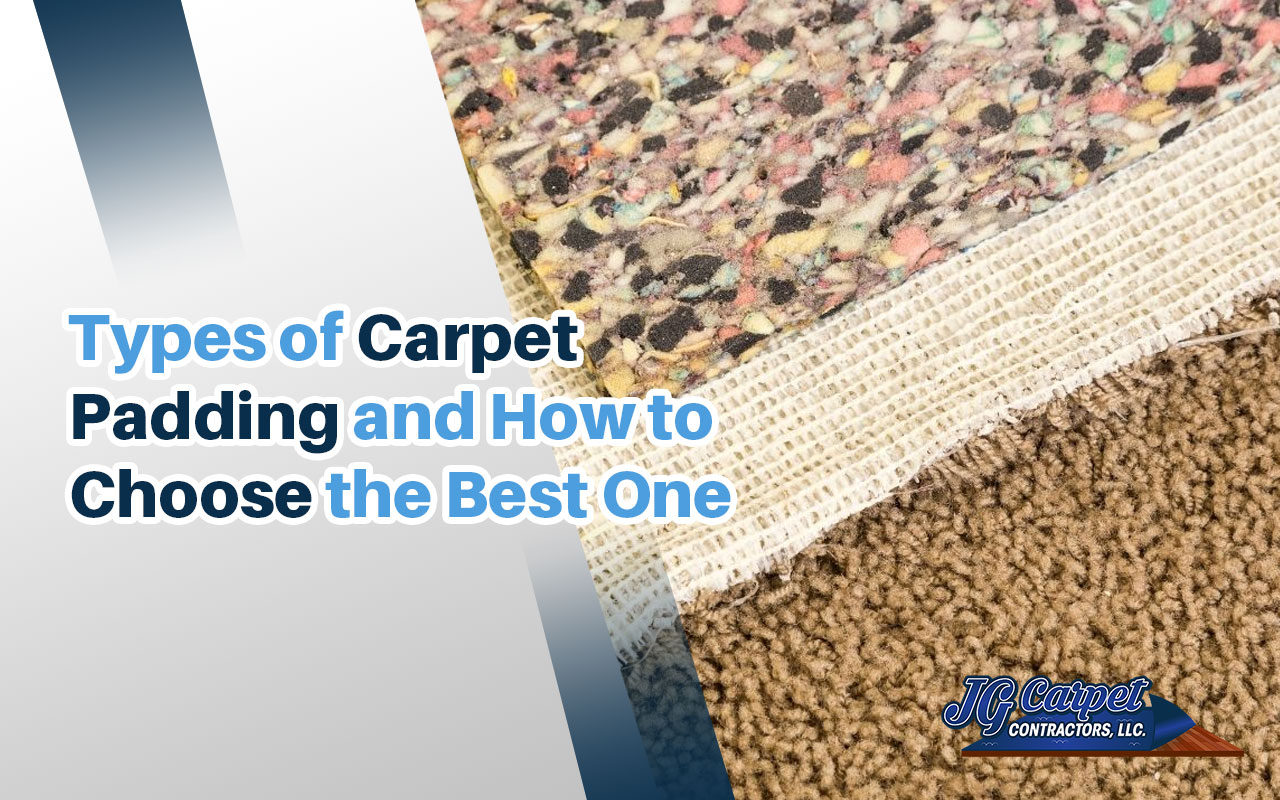
Carpet padding is just as important as the carpet itself. The right padding improves comfort, absorbs impact, and extends carpet life. But with so many types of carpet padding, choosing the best one can be confusing. Padding affects how your carpet feels underfoot and how well it holds up over time. The wrong choice can lead to uneven wear, discomfort, or even moisture issues. Understanding your options is key, whether you need soft cushioning or firm support. This guide breaks down the different types of carpet padding, their benefits, and how to choose the best one for your home.
Types of Carpet Padding and Their Benefits
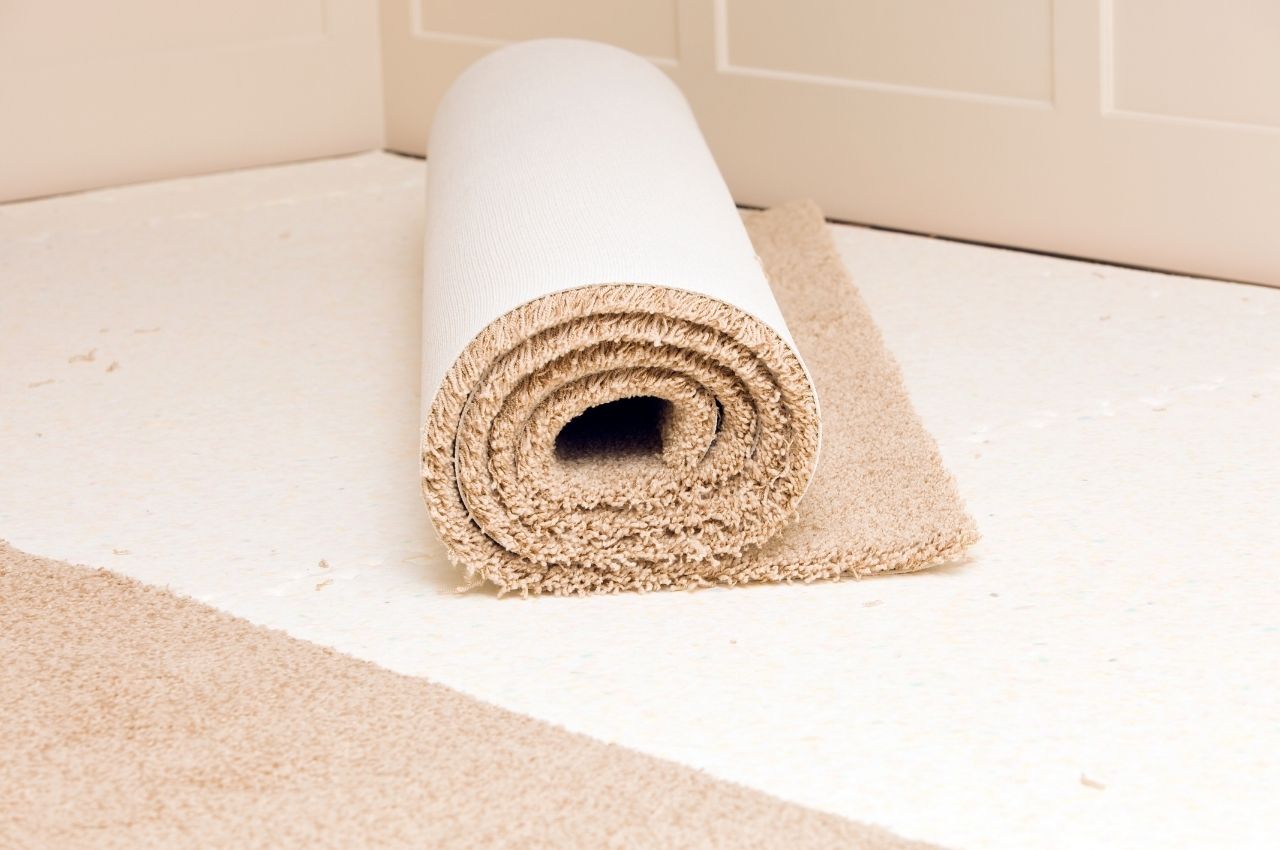
1. Rebond Carpet Padding (Most Common Choice)
Rebond padding is made from recycled foam, making it affordable and eco-friendly. It’s the most widely used carpet padding in homes today.
- Pros: Provides good cushioning, budget-friendly, widely available.
- Cons: Can wear down faster in high-traffic areas.
- Best For: Living rooms, bedrooms, hallways.
Rebond padding comes in different densities. If you want a balance of comfort and durability, go for a higher-density rebond padding.
2. Foam Carpet Padding (Soft but Less Durable)
Foam padding is lightweight and inexpensive, but it doesn’t last as long as other options. It’s available in two types:
- Prime foam: More durable than basic foam but not ideal for heavy foot traffic.
- Memory foam: Ultra-soft but can flatten under furniture over time.
- Pros: Very soft, inexpensive, and easy to install.
- Cons: Wears out quickly in high-traffic areas.
- Best For: Bedrooms, low-traffic spaces.
If you prioritize softness over durability, foam padding is a good choice. However, it may not hold up well in areas with frequent foot traffic.
3. Rubber Carpet Padding (Durable and High-Quality)
Rubber padding is one of the most durable options and provides firm support. It resists wear and tear and offers excellent insulation. There are two types of rubber padding:
- Waffle rubber: Offers moderate cushioning but is less dense.
- Flat rubber: Provides strong support and lasts for decades.
- Pros: Highly durable, resists mold, ideal for heavy traffic.
- Cons: More expensive than other types of padding.
- Best For: Stairs, hallways, commercial spaces.
If you want long-lasting padding that holds up in busy areas, rubber is a smart investment. 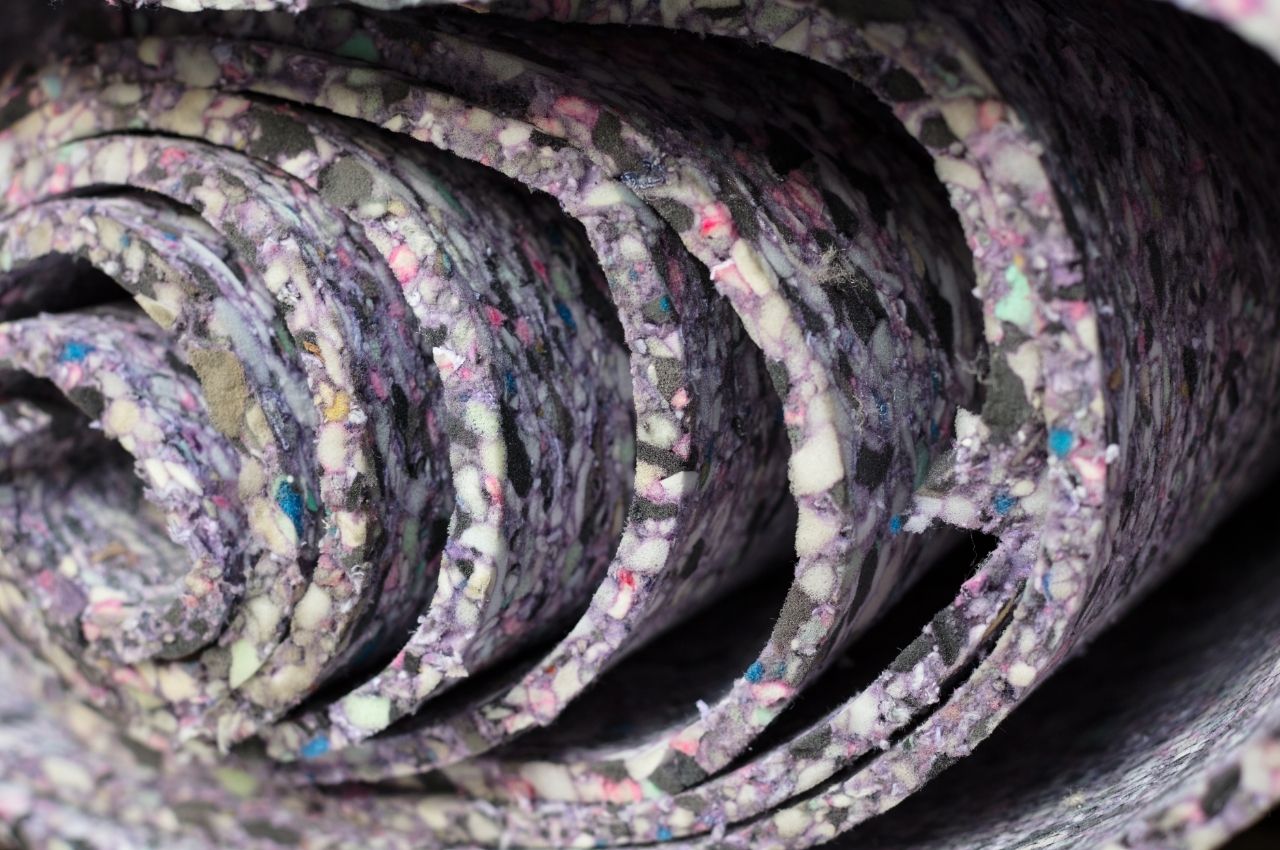
4. Felt Carpet Padding (Best for Wool Carpets)
Felt padding is made from compressed fibers and provides firm, stable support. It’s often used with high-end carpets, like wool.
- Pros: Strong, reduces noise, great for luxury carpets.
- Cons: Less cushiony than foam or rubber padding.
- Best For: Dining rooms, offices, wool carpets.
Felt padding doesn’t provide a plush feel, but it helps protect delicate carpet fibers from wear and tear.
5. Moisture-Resistant Carpet Padding (Best for Basements and Pets)
If you have pets or live in a humid area, moisture-resistant padding is a great option. It features a waterproof barrier that prevents mold and mildew.
- Pros: Blocks moisture, prevents odors, extends carpet life.
- Cons: Can be more expensive than standard padding.
- Best For: Basements, homes with pets, high-moisture areas.
This padding is ideal for homeowners who want extra protection against spills and humidity.
Other Important Factors When Choosing Carpet Padding
1. Carpet Padding Density and Weight
Padding isn’t just about thickness—density matters too.
- 6-8 lb density: Ideal for most homes, providing a balance of comfort and durability.
- 10+ lb density: Best for high-traffic areas, as it offers firm support and longer lifespan.
- Less than 6 lb density: Softer but wears out faster.
If you want padding that will withstand daily use, aim for a density of at least 6-8 lb.
2. Soundproofing Benefits of Carpet Padding
Padding helps reduce noise, making it great for apartments, condos, and upstairs bedrooms.
- Best options: Felt or rubber padding for superior sound absorption.
- Avoid thinner foam padding, which doesn’t block sound as effectively.
If you want a quieter home, invest in thicker, denser padding.
3. Fire-Resistant Carpet Padding
Certain padding materials offer flame resistance for added safety.
- Best options: Rubber and felt padding tend to have better fire resistance.
- Foam padding burns more easily, so it’s less ideal for fire-conscious buyers.
If safety is a concern, check for fire-retardant carpet padding certifications.
4. Carpet Padding for Radiant Heating Systems
If your home has radiant floor heating, not all padding types will work.
- Best option: Thin rubber or synthetic fiber padding allows heat to pass through.
- Avoid thick foam or felt padding, as it can block heat flow.
Always check with your flooring installer to ensure your padding is compatible with underfloor heating.
5. Eco-Friendly Carpet Padding Options
For environmentally conscious buyers, some padding options are more sustainable.
- Recycled materials: Rebond padding is made from recycled foam.
- Low-VOC padding: Reduces indoor air pollution and is safer for families.
- Natural fiber padding: Made from wool or jute for eco-friendly homes.
If sustainability matters to you, look for green-certified carpet padding.
How to Install Carpet Padding
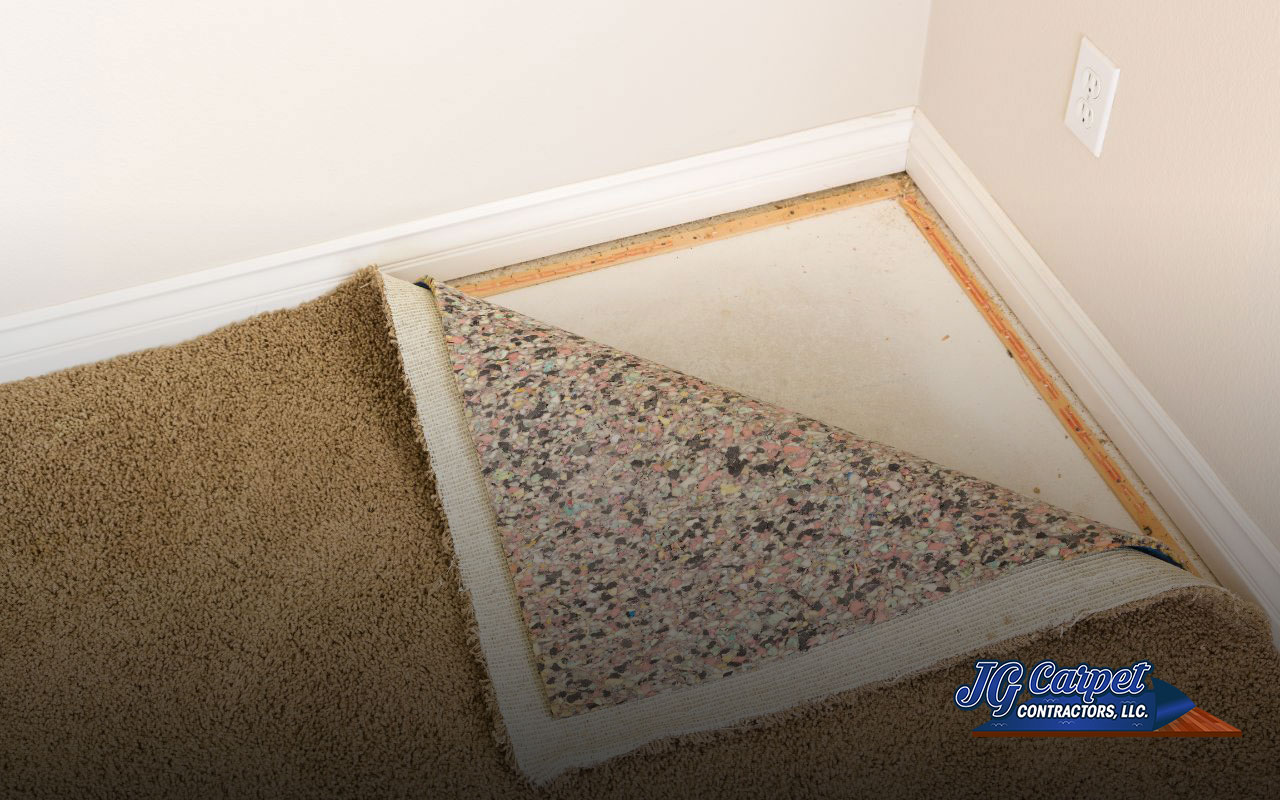
If you’re installing a new carpet, the padding must be properly installed for the best results.
Steps to Install Carpet Padding
- Prepare the subfloor: Remove any debris or old staples.
- Measure and cut the padding: Leave a slight gap around the edges.
- Secure the padding: Staple or tape it in place, depending on the type.
- Install the carpet over the padding: Make sure the carpet is stretched and secured properly.
If done correctly, padding provides extra comfort and extends the life of your carpet.
Find the Right Carpet Padding for Your Space
Choosing the right carpet padding improves comfort, durability, and insulation. If you need expert advice or professional installation, we’re here to help.
Let’s find the perfect padding for your home today!

Carpeting your stairs can add warmth, comfort, and style to your home. But how do you install carpet on stairs properly? Knowing the process is essential whether you’re looking to do it yourself or hire professionals. If you need carpet installation in Dundalk, MD, here’s what you need to know about fitting stair carpets and ensuring a seamless look.
What to Consider Before Installing Carpet on Stairs
- Choosing the Right Carpet: Loop pile or plush? Durable materials work best for high-traffic areas.
- Measuring Your Stairs: Accurate measurements ensure you get the right amount of carpet.
- Preparing the Surface: Cleaning and smoothing out any imperfections on a wooden staircase before installation.
Step-by-Step Guide to Installing Carpet on Stairs
Tools and Materials You’ll Need
Before starting, gather these essentials:
- Carpet roll or carpet treads
- Carpet padding
- Carpet knife
- Measuring tape
- Staple guns or tack strips
- Knee kicker
- Adhesive (if needed)
How to Install Carpet for Stairs – Two Common Methods
There are two main ways to carpet stairs:
- Waterfall Method
- A single piece of carpet flows smoothly over each step.
- Works well for casual, modern looks.
- Cap and Band Method
- The carpet wraps around each stair’s edges for a structured appearance.
- Preferred for a more finished and professional look.
Replacing Carpet on Stairs: When and Why?
If your stair carpet is worn, stained, or outdated, it may be time to replace the carpet on the stairs. Signs that it’s time for a replacement include:
- Visible wear and tear
- Persistent odors or stains
- Loose or fraying carpet edges
How to Get Carpets Installed on a Wooden Staircase
If you’re not comfortable doing it yourself, professional carpet installation in Dundalk, MD, can make the process stress-free. A professional team will:
- Remove old carpeting and prep the stairs
- Install quality padding for durability and comfort
- Use the best technique to fit the stair carpet securely
- Ensure a smooth and long-lasting finish
Hiring experts ensures safety, longevity, and a perfect fit for your carpeting stairs project.
FAQs About Stair Carpet Installation
How long does it take to install carpet on stairs?
It depends on the method, tools, and experience. A DIY project may take a full day, while professionals can complete it in a few hours.
Can I install carpet on the stairs without a tack strip?
Yes, but it’s not recommended. Tack strips help keep the carpet securely in place and prevent shifting over time.
What’s the best type of carpet for stairs?
Low-pile and durable options like Berber or nylon are best for high-traffic areas.
Get Professional Carpet Installation in Dundalk, MD
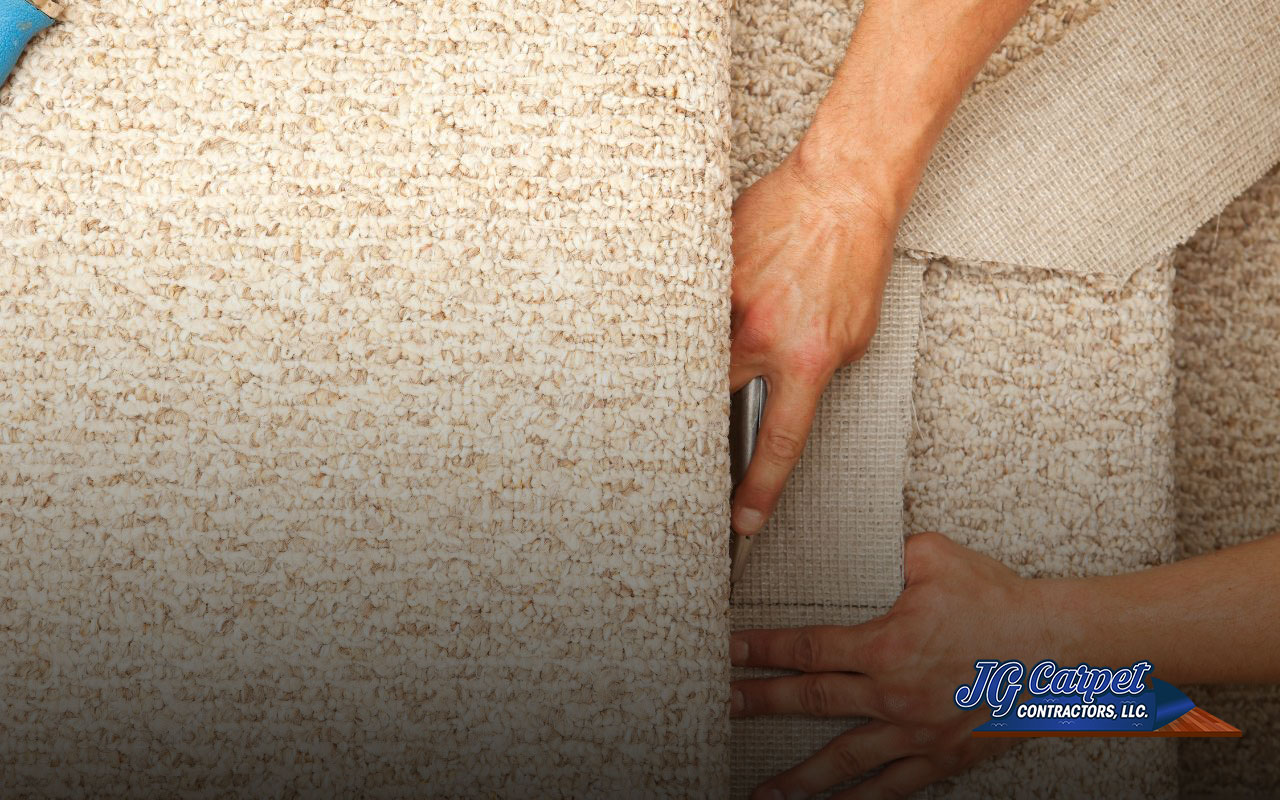
Installing carpet on stairs can be a DIY project, but for the best results, professional installation is the way to go. If you’re in Dundalk, MD, and need expert service, contact us today.
- Residential and commercial services
- Licensed professionals
- Free estimates
- Call us at (443) 652-2972
Let’s transform your stairs with quality carpeting that lasts.
[lwptoc]
Carpet maintenance can be challenging, but it’s key to preserving the beauty and longevity of your floors. Have you ever noticed stubborn stains or uneven wear on your carpets, even when you take care of them? If so, you’re not alone. Many people face similar issues in maintaining their carpets.
This blog will reveal people’s most common mistakes and how you can avoid them to keep your carpets looking their best.
Essential Tips for Carpet Maintenance
Understanding Carpet Fibers
Not all carpets are created equal, and understanding the type of fibers your carpet is made from can significantly affect how you care for it. For example, natural fibers like wool require a different approach than synthetic options like nylon or polyester. Knowing what type of carpet you have will guide you in choosing the proper maintenance techniques.
The Importance of Regular Vacuuming
One of the simplest yet most effective carpet maintenance practices is regular vacuuming. It helps to remove dirt and debris before they become embedded in the fibers. But how often should you vacuum? The answer depends on your household’s foot traffic. High-traffic areas may need daily attention, while less-used areas might only need a weekly vacuum.
Spot Treatment Done Right
Accidents happen, and when they do, it’s crucial to address them promptly to prevent stains from setting in. However, many people make the mistake of scrubbing too hard or using the wrong cleaning products, which can damage the carpet fibers. Instead, gently blot the spot with a clean cloth and use a mild solution recommended for your specific carpet type.
Rotating Furniture to Prevent Wear
Furniture can leave permanent indentations on your carpet, especially in areas where the weight is concentrated. To prevent this, rotate your furniture periodically. This practice helps distribute the weight more evenly across the carpet, reducing the risk of wear patterns forming.
The Role of Carpet Padding
Carpet padding plays a crucial role in the longevity of your carpet. It not only adds comfort but also protects the carpet from the wear and tear caused by furniture and foot traffic. Ensuring you have the correct type of padding for your carpet can significantly affect its durability.
Protecting Your Carpet from Sunlight
Direct sunlight can cause your carpet to fade over time. While avoiding sunlight entirely is impossible, you can minimize its impact by using curtains or blinds during peak sunlight hours.
FAQs:
How often should I vacuum my carpet?
It depends on foot traffic. High-traffic areas may need daily vacuuming, while low-traffic areas can be vacuumed weekly.
How do I prevent furniture from leaving marks on my carpet?
Rotate your furniture periodically to distribute weight evenly and reduce the risk of indentations.
Is carpet padding necessary?
Yes, carpet padding adds comfort and protects your carpet from wear and tear, extending its life.
Keep Your Carpet Looking New with These Maintenance Tips
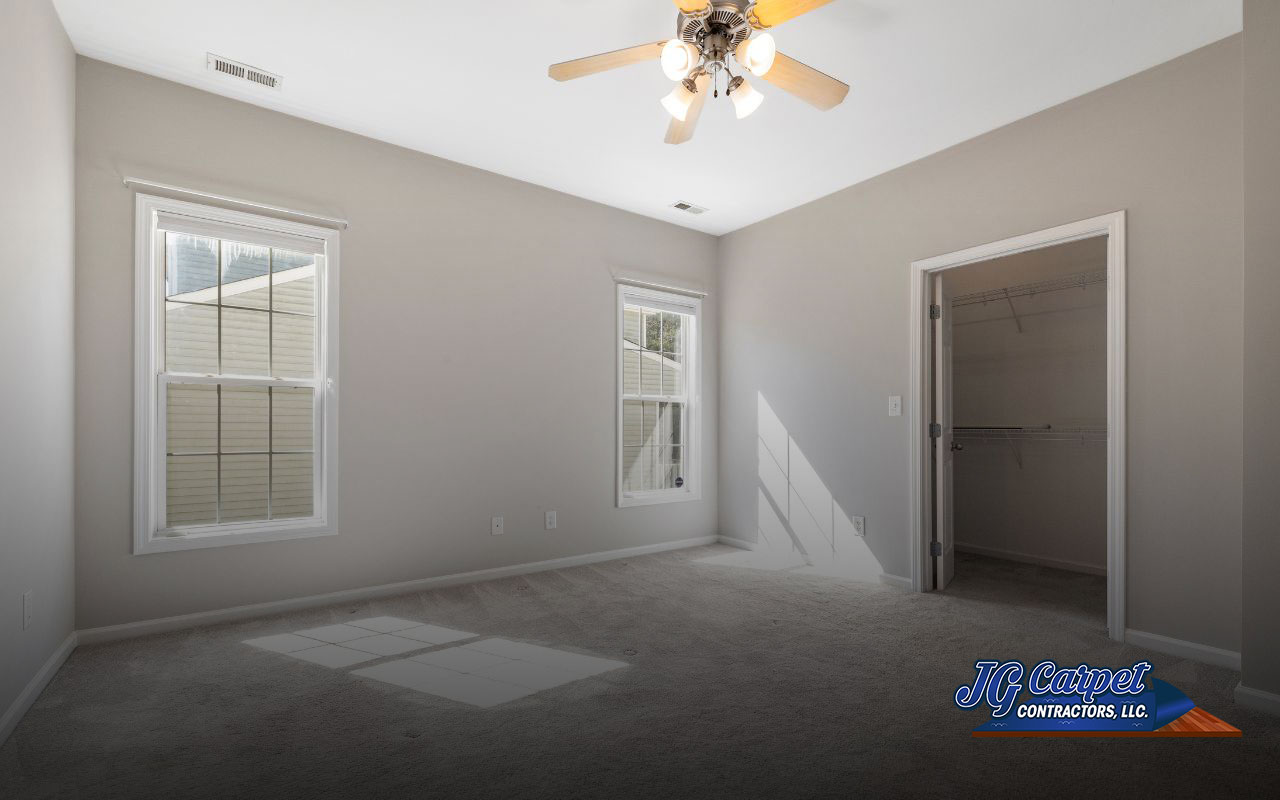
Maintaining your carpet is essential for preserving its beauty and longevity. By avoiding common mistakes and following the tips provided, you can keep your carpet looking great for years.
Regular attention to your carpet can prevent more significant issues down the road. If you have any questions or need further advice, don’t hesitate to contact us.
Let’s keep your carpets in top shape together!

[lwptoc]
Focus on the long-lasting nature of hardwood floors, with examples of high-traffic commercial environments like hotels and office buildings.commercial environments.
Why Choose High-Traffic Hardwood Floors?
Exceptional Durability
High-Traffic Hardwood floors are known for their exceptional durability. These floors are designed to withstand heavy foot traffic without showing signs of wear and tear. This makes them ideal for hotels, office buildings, and other commercial spaces. The strong, dense wood used in these floors ensures they can handle the demands of busy environments, maintaining their appearance for years.
Aesthetic Appeal
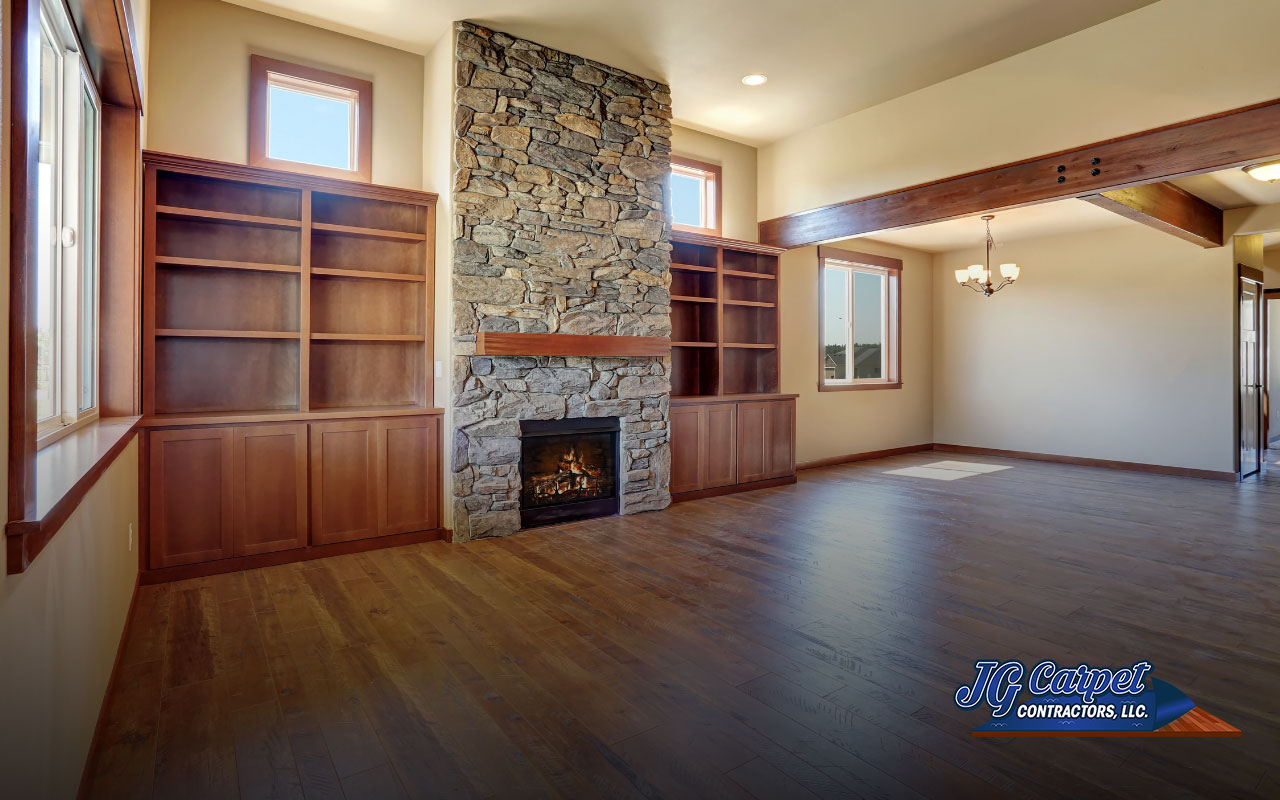
In addition to their durability, High-Traffic Hardwood floors offer a timeless aesthetic appeal. They come in various finishes and colors, allowing you to choose the perfect look for your space. Whether you prefer a classic oak finish or a modern, darker tone, there’s a High-Traffic Hardwood floor that will complement your decor. The natural beauty of wood adds warmth and elegance to any commercial environment.
Easy Maintenance
One of the significant benefits of High-Traffic Hardwood floors is their ease of maintenance. Regular sweeping and occasional mopping are usually enough to keep them looking clean and new. For deeper cleaning, a professional service can ensure the floors remain in top condition. This low maintenance requirement makes them a practical choice for busy commercial settings where cleanliness is essential.
Cost-Effectiveness
Although High-Traffic Hardwood floors may have a higher initial cost compared to other flooring options, their longevity and durability make them a cost-effective choice in the long run. These floors do not need frequent replacements or extensive maintenance, which saves money over time. Investing in High-Traffic Hardwood floors means you benefit from their beauty and functionality for many years.
Environmental Benefits
High-Traffic Hardwood floors can also be an environmentally friendly option. Many hardwood floors are made from sustainably sourced wood, ensuring that your choice supports responsible forestry practices. Additionally, their long lifespan means less frequent replacements, reducing waste and contributing to a more sustainable environment.
Comfort and Safety
High-Traffic Hardwood floors are not only durable and beautiful but also comfortable underfoot. They provide a firm, stable surface that can help reduce fatigue for employees who spend long hours standing or walking. Additionally, these floors can improve indoor air quality by not trapping dust and allergens, creating a healthier environment for everyone.
Versatility
High-Traffic Hardwood floors are versatile and suitable for various commercial spaces. They work well in hotels, office buildings, retail stores, and restaurants. Their classic look and durable nature make them adaptable to different styles and needs. No matter the commercial setting, High-Traffic Hardwood floors offer a reliable and stylish flooring solution.
Conclusion
Discover the Benefits of High-Traffic Hardwood Floors
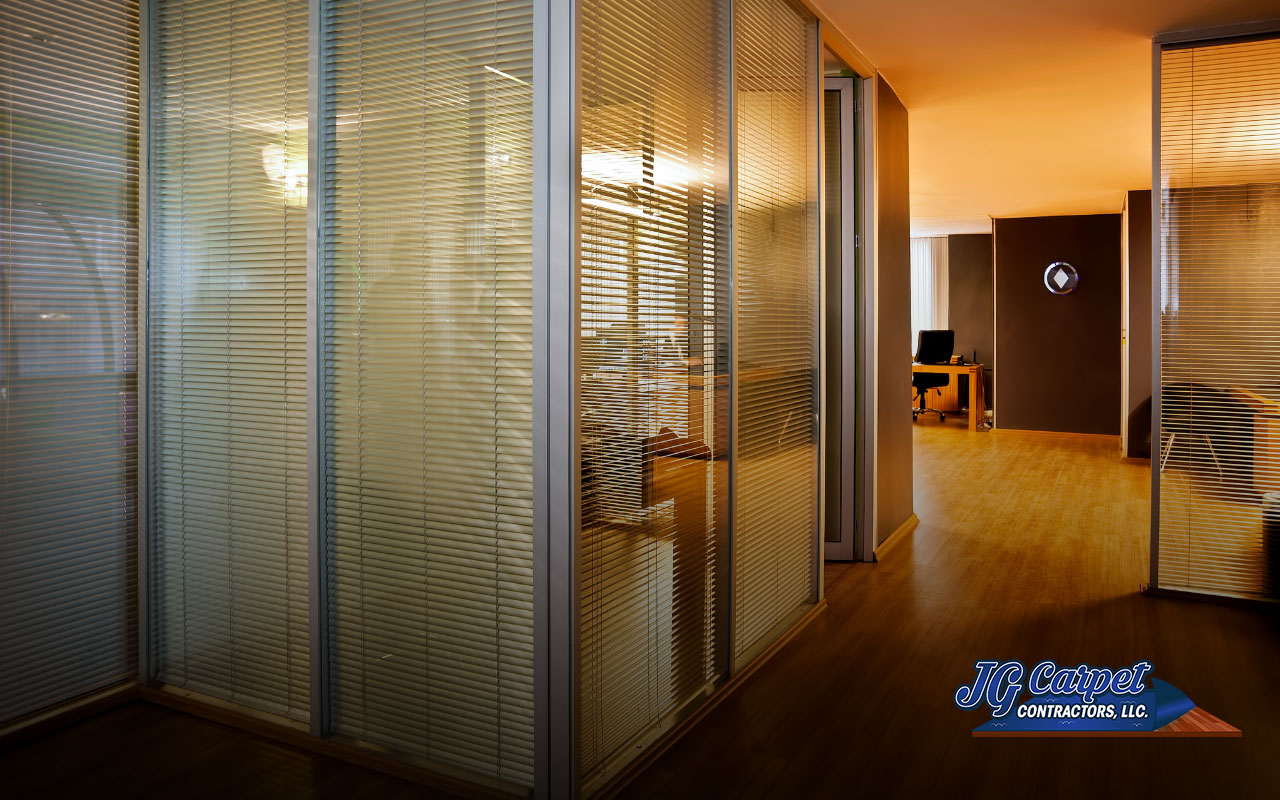
Choosing the right flooring can make a significant difference in your commercial space. High-Traffic Hardwood floors offer durability, elegance, and easy maintenance, making them the ideal choice for busy environments. Ready to upgrade your flooring? Contact us today to learn more about our selection of High-Traffic Hardwood floors and how they can enhance your space.